


Why Most Industrial UV Lamps Fail (And How We Fixed It)
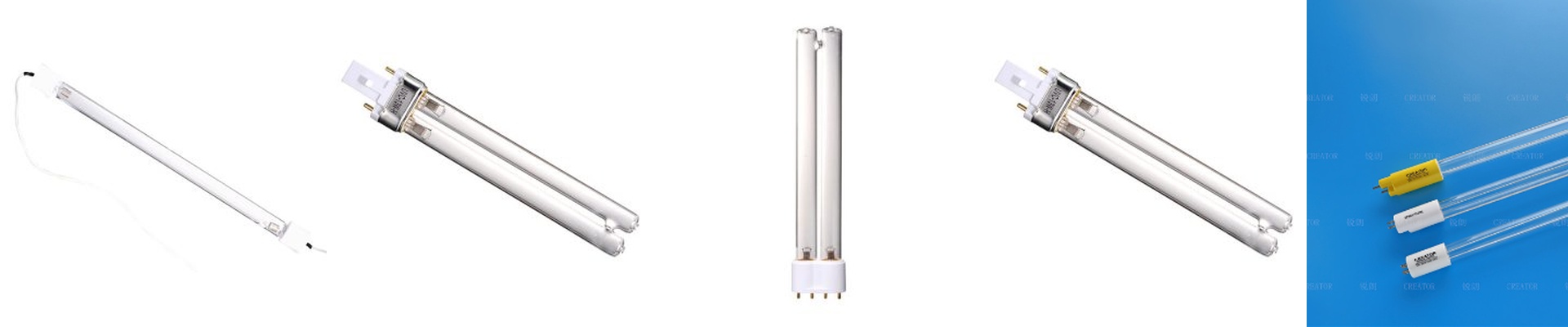
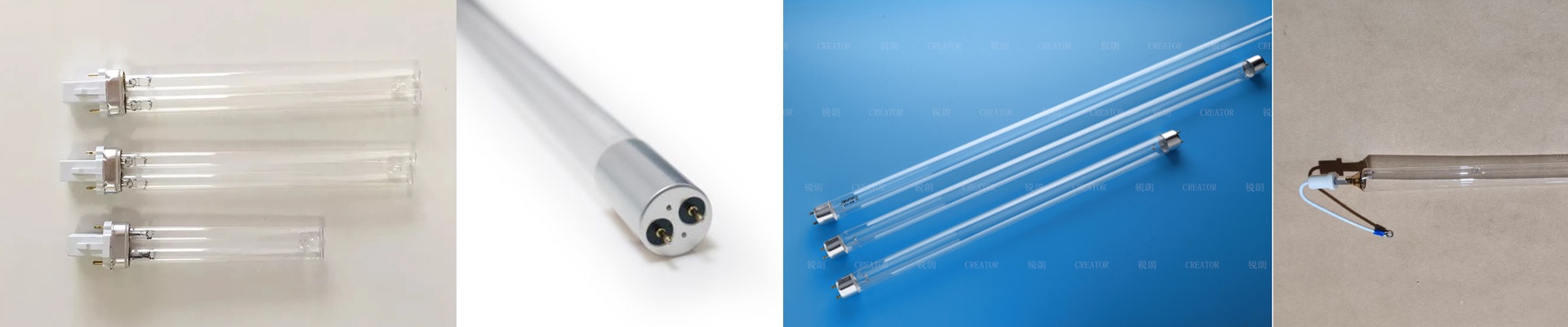
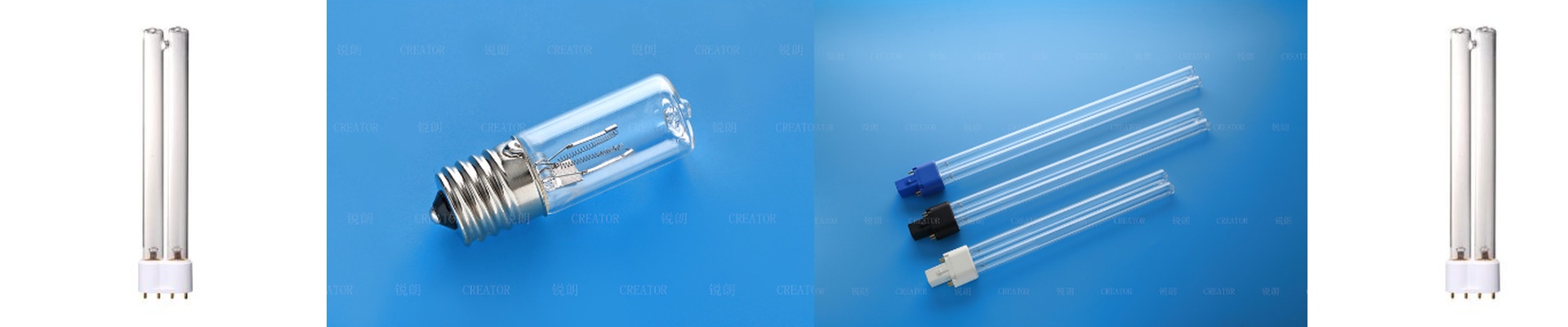
UV germicidal lamps usually hit their peak at 253.7 nm. Sounds like a boring stat, right? But for the last 15 years, we’ve lived in the gap between “cheap bulbs that work for a week” and the kind of rock-solid stability you actually need for industrial sterilization. The problem with “good enough” glass Here’s the thing: if a lamp drifts even a little bit from its peak wavelength, it stops killing germs effectively. You’re basically running a fancy light bulb that doesn’t do its job. That’s why we use high-purity synthetic quartz. Cheap glass actually blocks the radiation you’re paying for. We make sure the output stays consistent from one end of the tube to the other. No “dead zones,” no guessing games. Just a clean, reliable kill. Fighting the heat Heat is a killer. When you run these lamps at full tilt, the electrodes take a beating. You’ve probably seen that “black end” effect on old bulbs. That happens because electrode material starts sputtering and sticking to the inside of the glass. It kills the light long before the gas is actually gone. We use specific cathode coatings to stop that from happening. And a quick tip: if you’re stuffing high-wattage lamps into a tight space, watch your ballast. If your cooling fans aren’t up to the task, you’ll see your lamp’s lifespan drop by about 30%. It’s a waste of money. Getting the wiring right Industrial UV setups can be dangerous if they’re slapped together. We focus heavily on things like dielectric strength and leakage current because nobody wants a chassis that’s electrified. We also obsessed over the connectors. A loose fit isn’t just an annoyance—it causes arcing. That creates a hot spot that can literally crack the quartz seal. Plus, we made these as drop-in replacements. They fit standard footprints, so you can upgrade your quality without having to tear apart your entire rack. It’s just easier that way.