

Building UV Lamps That Actually Last on a 24/7 Line
If you’re running an industrial automation line, you know the nightmare of a lamp that drifts in intensity or just quits halfway through a graveyard shift. It kills your momentum. We spent 15 years messing around with lamp architecture because we were tired of seeing generic parts fail under pressure. We wanted something that could actually handle the heat of non-stop production without flinching.
The battle between power and heat
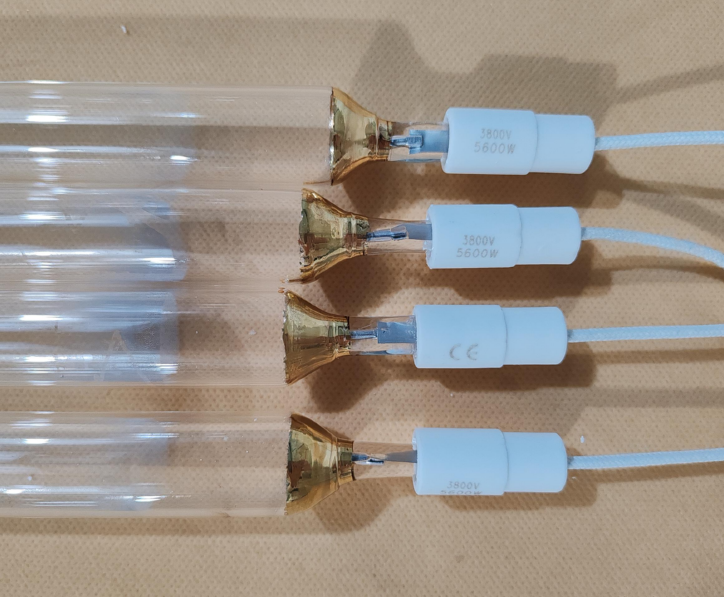
Here’s the thing: curing speed is all about irradiance. We keep our wavelength tolerances tight so the photopolymerization kicks in the second it hits the part. Now, if you cram more wattage into a small tube, you get the intensity you need to keep the line moving fast. But there’s a catch. High power creates a ton of heat. If your fans or water jackets aren’t up to the task, your lamp life is going to tank. We spend a lot of time calibrating our filaments to find that sweet spot—plenty of UV output, but not so much heat that the lamp burns itself out.
No cheap glass, no flickering
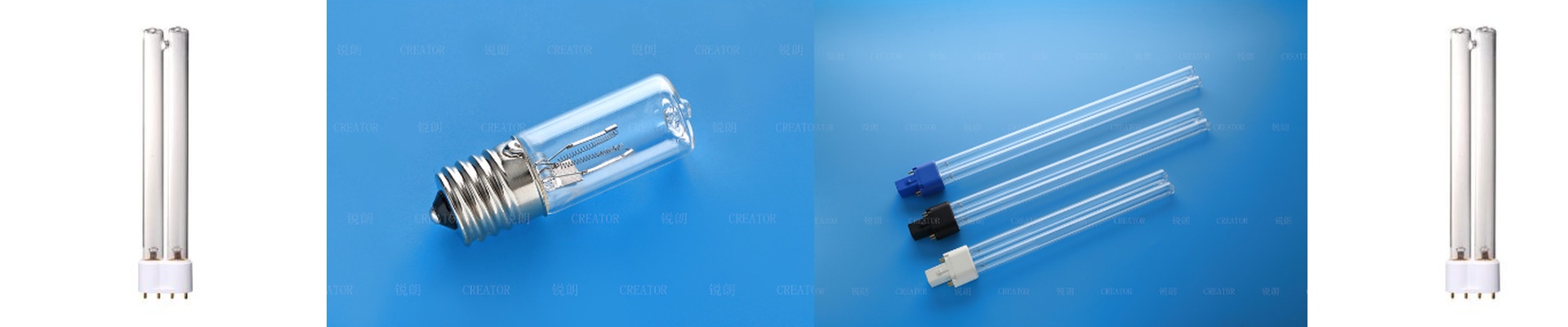
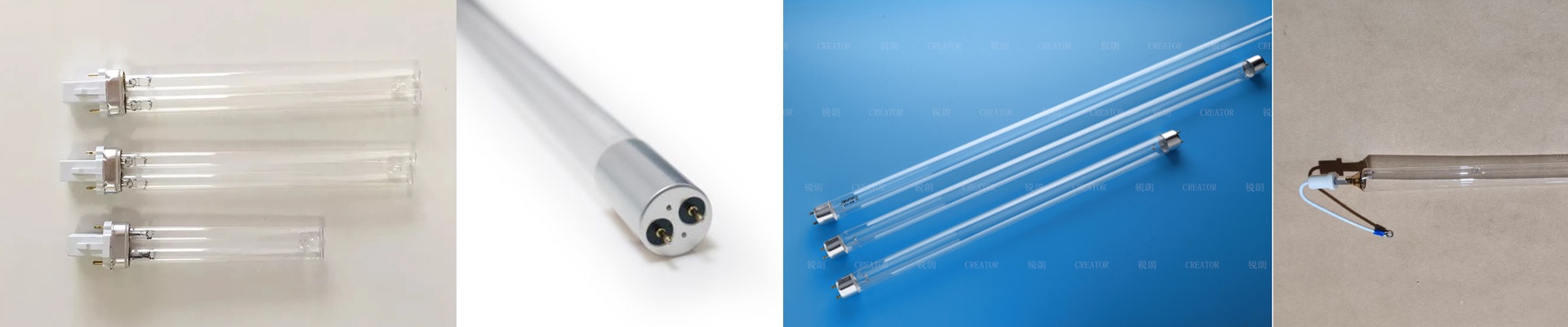
We use high-purity quartz glass. Why? Because cheap glass absorbs the UV light. You’re basically paying for light that never even reaches your product. And then there are the connections. Nothing is more annoying than a lamp that flickers after a few hundred cycles because the joints expanded and contracted. We use standardized industrial connectors that just work. Plus, they’re drop-in replacements for the big international brands. You can swap them into your existing chassis without having to rewire the whole thing. It’s just easier.
Fitting them into the chaos
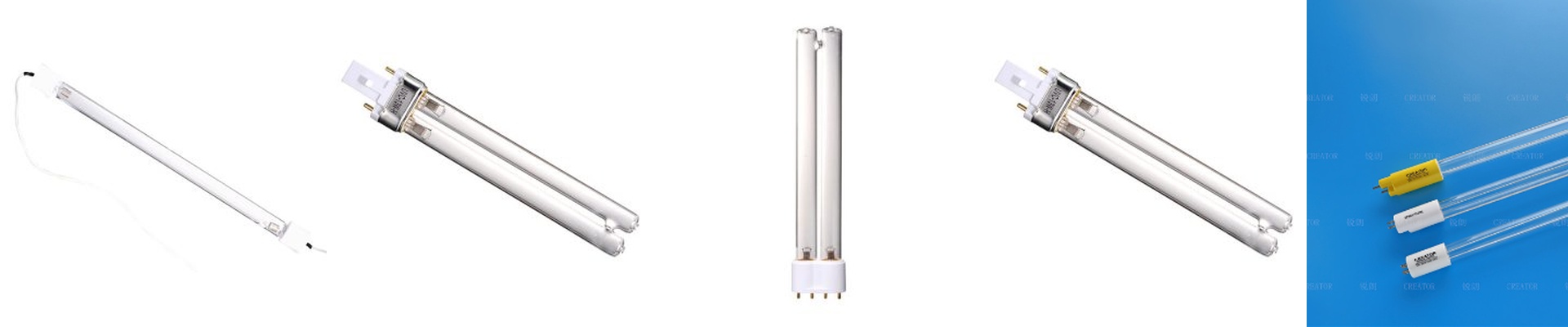
Most of the time, these lamps have to squeeze into tight spots on conveyor belts or robotic arms. We shrunk the footprint so you can get the lamp closer to the part. That means a stronger dose and faster throughput. Just one tip: make sure your conveyor speed is synced with the lamp’s ramp-up time. Otherwise, you’ll end up with those frustrating uncured patches at the start of your run.