On the pad and screen floor, color drift isn’t a “looks off” problem. It’s scrap, rework, and your schedule sliding sideways.
ברצפת ההדפסה בפד ובלוח השיוט, סטייה בצבע אינה בעיה של “נראה לא נכון”. מדובר בפסולת, תיקונים ושיבוש בלו"ז הייצור.
Most of the time, it starts the same way: the lamp’s spectral output doesn’t line up with the ink’s photoinitiator absorption. When the lamp dumps energy outside the ink’s peak absorption band, the cure never finishes the way it should. You end up with residual surface tack, and the pigment-binder distribution shifts. The visible result is metamerism and density that drifts across the run. ברוב המקרים, זה מתחיל באותו אופן: ההקרנה הספקטרלית של המנורה אינה מתואמת עם ספיגת הפוטואיניציאטור של הדיו. כאשר המנורה מפזרת אנרגיה מחוץ לטווח השיא של הספיגה, תהליך הייבוש לא מסתיים כראוי. התוצאה היא הידבקות משטחית שאריתית והעתקה של התפלגות הפיגמנט והחומר המקשר. התוצאה הנראית לעין היא מטמריזם וצפיפות שמשתנה לאורך ההרצה.
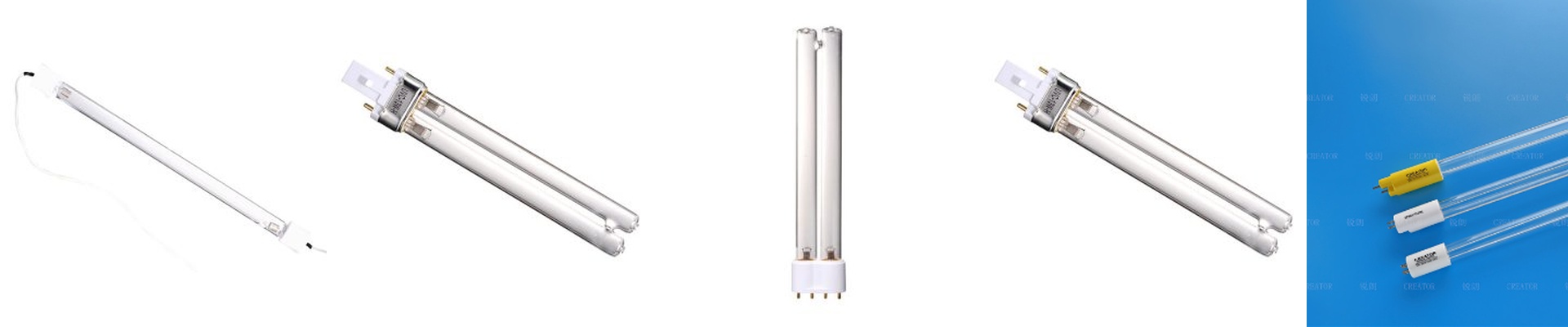
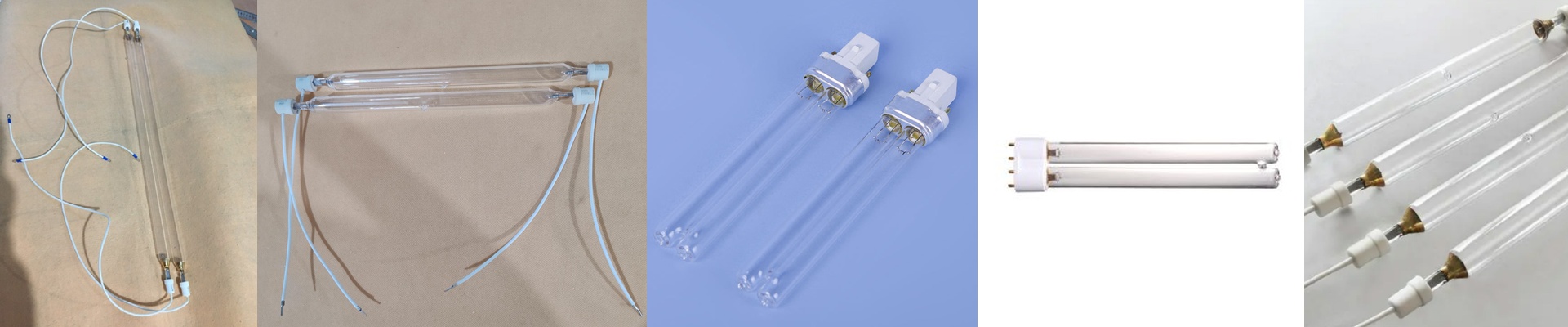
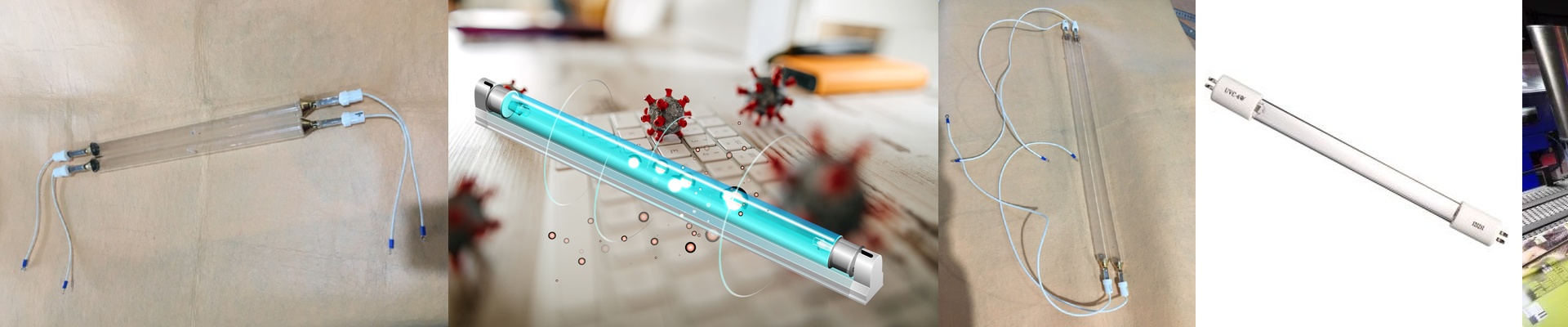
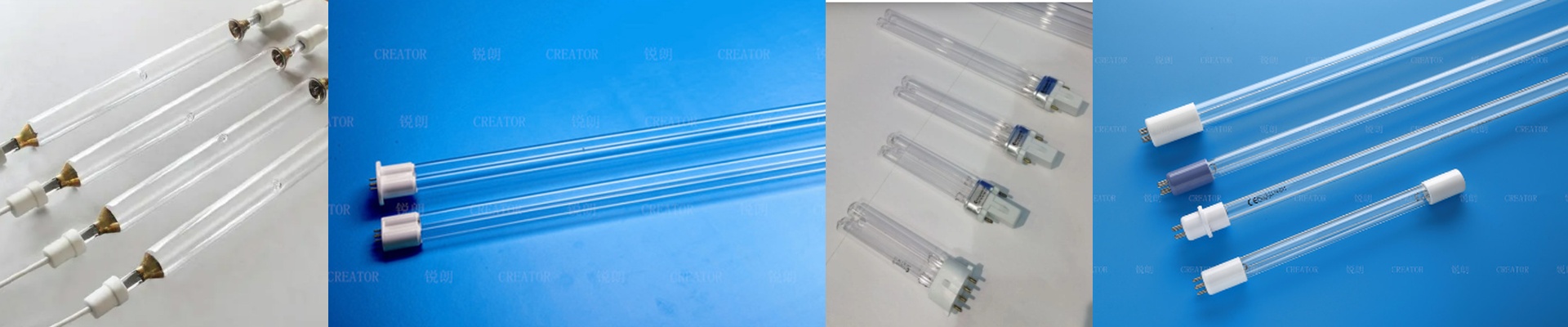
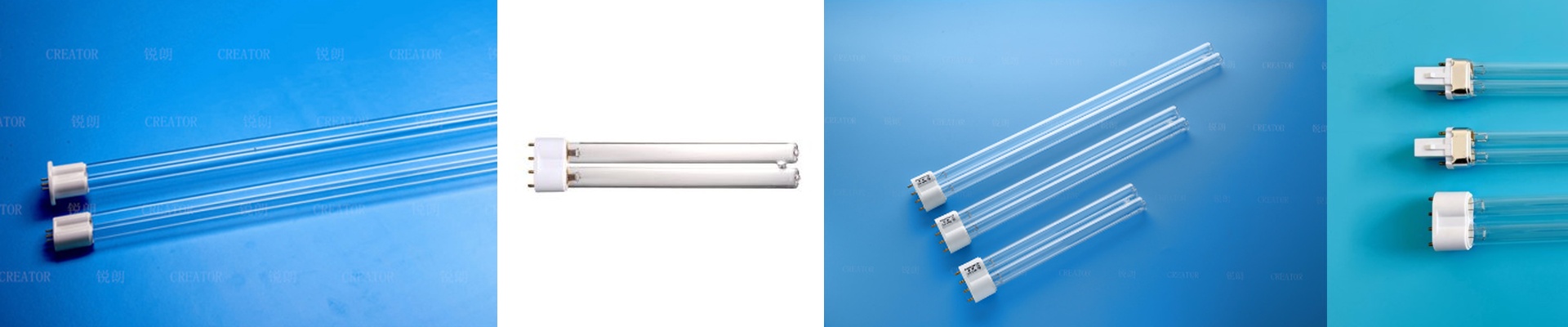
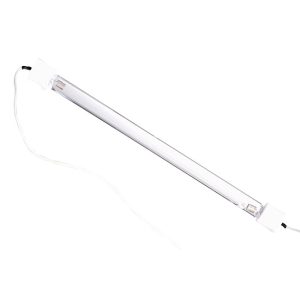
What actually matters is spectral precision and delivered energy. We build our UV curing lamps for adhesives and overprint varnishes around high-pressure mercury vapor arc tubes, with dichroic reflectors and ozone-free quartz envelopes. They hold stable peak irradiance at 365nm or 385nm. הגורם המכריע הוא דיוק ספקטרלי וכמות האנרגיה המועברת. אנו מייצרים מנורות ייבוש UV לדבקים ולורנישים להדפסה עליונה המבוססות על צינורות קשת קיטור כספית בלחץ גבוה, עם רפלקטורים דיכרואיים ומעטפות קווארץ ללא אוזון. הן שומרות על עוצמת קרינה יציבה בשיא ב-365nm או 385nm.
We hold output stability within ±2% over the warm-up window, and we measure curing energy density in mJ/cm² at the substrate plane. That repeatability is what keeps cross-linking consistent shot after shot—so the ink film cures the same way, regardless of batch or where it’s running on the machine. אנו שומרים על יציבות תפוקה בטווח של ±2% במהלך חלון ההתחממות, ומודדים צפיפות אנרגיית הייבוש ב-mJ/cm² במישור התת-בסיס. החזרותיות הזו שומרת על קישור צולב עקבי ירייה אחרי ירייה — כך שכיסוי הדיו מתייבש באותה דרך, ללא תלות באצווה או במיקום בהפעלת המכונה.
Here’s the part that holds up in real production: it’s physics, but it has to work on the floor. Pad and screen jobs run tight tolerances. Even a small under-cure changes dot gain and gloss, and the color reads wrong under daylight and QC booth lighting. זו הנקודה שמוכחת בייצור בפועל: זה פיזיקה, אך חייב לפעול על רצפת הייצור. עבודות בפד ובלוח שיוט מתבצעות בסביבות סובלנות מחמירות. אפילו חוסר ייבוש קטן משנה את הגדלת הנקודה והברק, והצבע נקרא בצורה שגויה באור יום ובתאורת מכון בקרת איכות.
When wavelength matches the photoinitiator profile, activation stays stable. The first print and the thousandth print hold the same color. כאשר אורך הגל תואם לפרופיל הפוטואיניציאטור, ההפעלה נשארת יציבה. ההדפסה הראשונה והאלפית שומרות על אותו צבע.
We’ve run lamps past 5,000 hours with less than 5% output drop. That means fewer lamp changes, consistent energy density, and a lower total cost of ownership. הרצנו מנורות מעל 5,000 שעות עם ירידה בתפוקה של פחות מ-5%. משמעות הדבר היא פחות החלפות מנורות, צפיפות אנרגיה עקבית ועלות בעלות כוללת נמוכה יותר.
A few things to keep straight, because they make or break performance. כמה נקודות שיש לשים אליהן לב, כי הן קובעות את הביצועים.
Lamp performance comes down to reflector geometry and power supply regulation. Check your fixture’s reflector focal distance and the distance to the cure window—misalignment kills irradiance fast. ביצועי המנורה תלויים בגיאומטריית הרפלקטור ובהסדרת ספק הכוח. בדקו את מרחק המוקד של הרפלקטור במתקן ואת המרחק לחלון הייבוש — חוסר יישור הורג את עוצמת הקרינה במהירות.
Match the spectral output to your ink supplier’s photoinitiator curve. Many standard systems run 365nm; formulations tuned for longer wavelengths often run 385nm. התאימו את ההקרנה הספקטרלית לעקומת הפוטואיניציאטור של ספק הדיו שלכם. מערכות סטנדרטיות רבות פועלות ב-365nm; נוסחים המותאמים לאורכי גל ארוכים יותר לרוב פועלים ב-385nm.
Plan for warm-up. Spectral stability takes time, so schedule a short warm-up before color-critical jobs. תכננו זמן התחממות. יציבות ספקטרלית דורשת זמן, לכן קבעו חימום קצר לפני עבודות רגישות לצבע.
And keep substrate temperature in check. UV cure is photochemical, not thermal. Overheating can distort thin films and shift apparent color. ושמרו על טמפרטורת התת-בסיס. ייבוש UV הוא תהליך פוטוכימי, לא תרמי. חימום יתר עלול לעוות שכבות דקות ולהזיז את הצבע הנתפס.