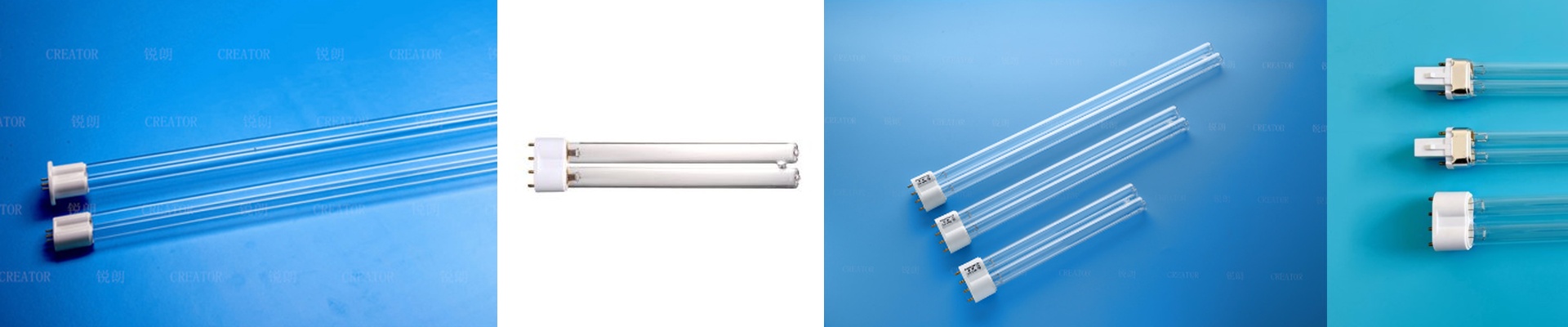
UV Lamp with SK15 Ceramic Base: The Heat You Need, When You Need It
Let’s talk about a UV lamp that doesn’t mess around. We built this with an SK15 ceramic base for industrial work that demands serious, focused heat. This isn’t some everyday bulb. It’s made for fast temperature jumps and rock-solid output—exactly where uptime and repeatable results are non-negotiable.
Power, Voltage, and Geometry—Straight to the Point
This lamp runs on a high-voltage, high-power design, because that’s what it takes to deliver the heat density you need in quick-cycle jobs. Typical setups hit 400V with power up to 2500W, packing a concentrated thermal punch into a small footprint. The tube is 300mm long, a length that lines up with standard process zones, so you can match the heat pattern without overhauling the whole chamber. Running higher voltage at that wattage lowers the current, which eases stress on conductors and helps keep control gear cooler. Just be sure your power supply and insulation are rated for the full 400V load. That part matters.
Materials and Design: Built to Take the Heat
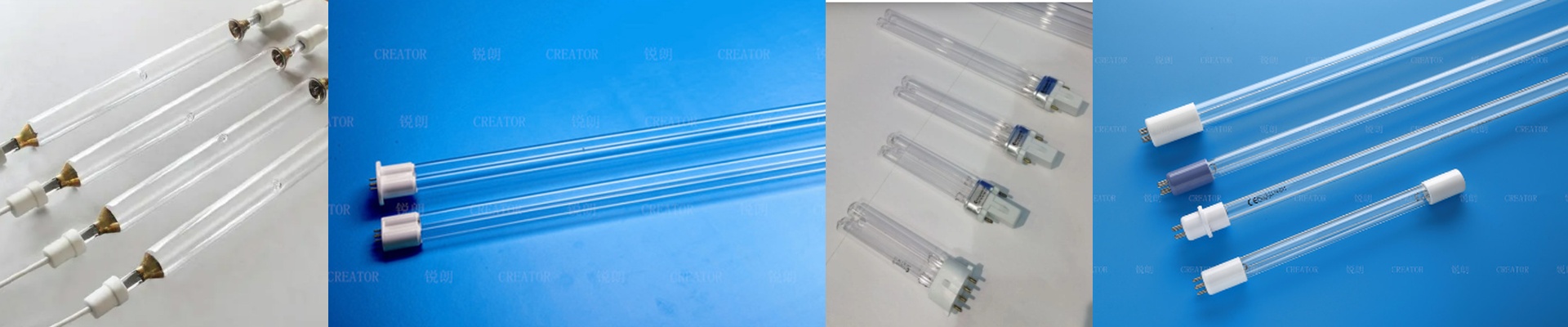
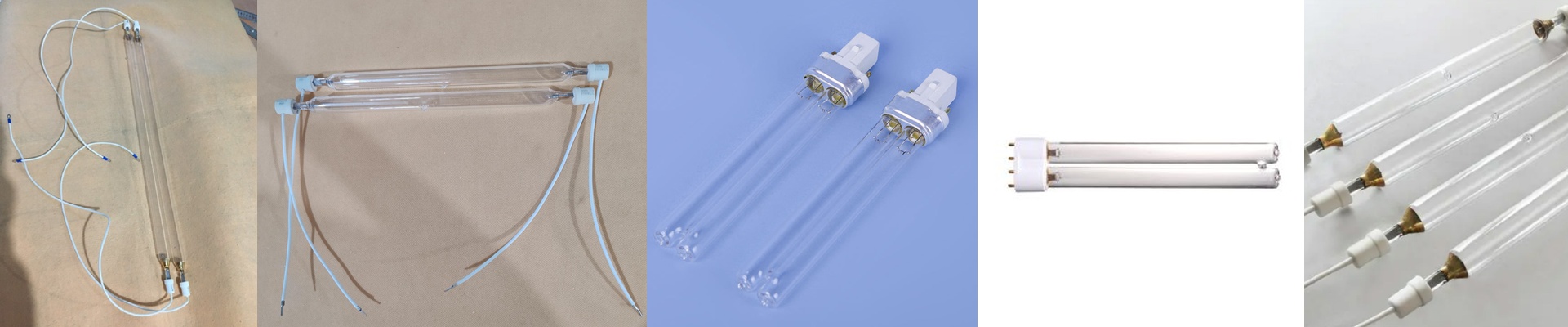
The SK15 ceramic base is where the magic happens at the connection point. Ceramic handles sustained high temps without flinching, and it resists tracking, so you don’t get leakage paths that can wear down connections over time. The quartz envelope is chosen for serious thermal shock resistance and solid UV transmission. That means rapid heating cycles without cracking. Inside, a halogen fill keeps the filament healthy by curbing evaporation, so output stays steady. And the SK15 connector gives you a positive, keyed fit. No wiggle room during install. You wire it up fast, and you get consistent contact resistance every time.
Where It Shines: Targeted Heat for Tough Industrial Jobs
Bring this lamp in whenever you need fast, localized heating—think curing, coating drying, and plastic forming. The combo of high power density and stable quartz output gives you repeatable temperature control, and the SK15 ceramic base keeps the termination solid, even when the machine runs and runs. Now, the trade-off: this output is intense. Your reflector geometry, airflow, and thermal shielding have to be matched to the wattage. When you get that right, you get predictable heat, easy drop-in replacement, and fewer burnouts—even on high-duty-cycle machines.