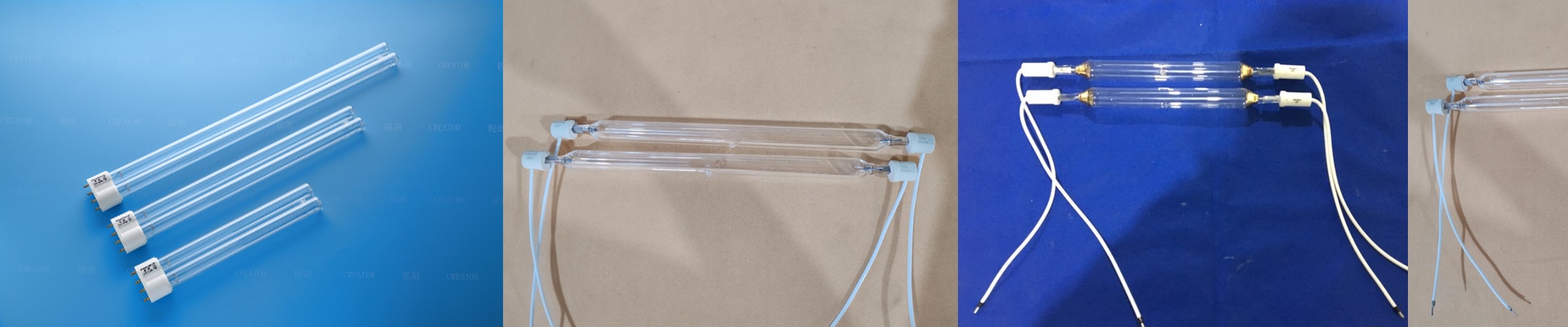
Getting the Most Out of Gallium Iodide Lamps in PCB Production
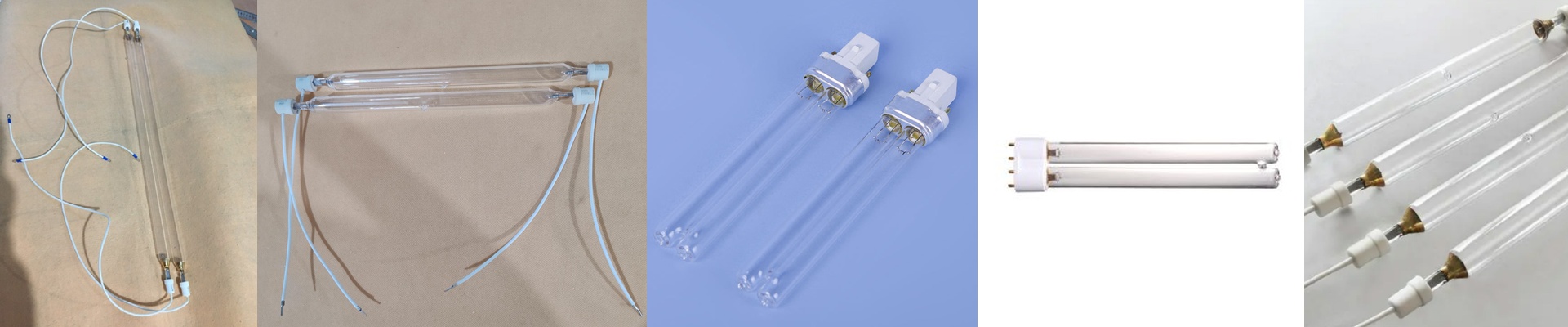
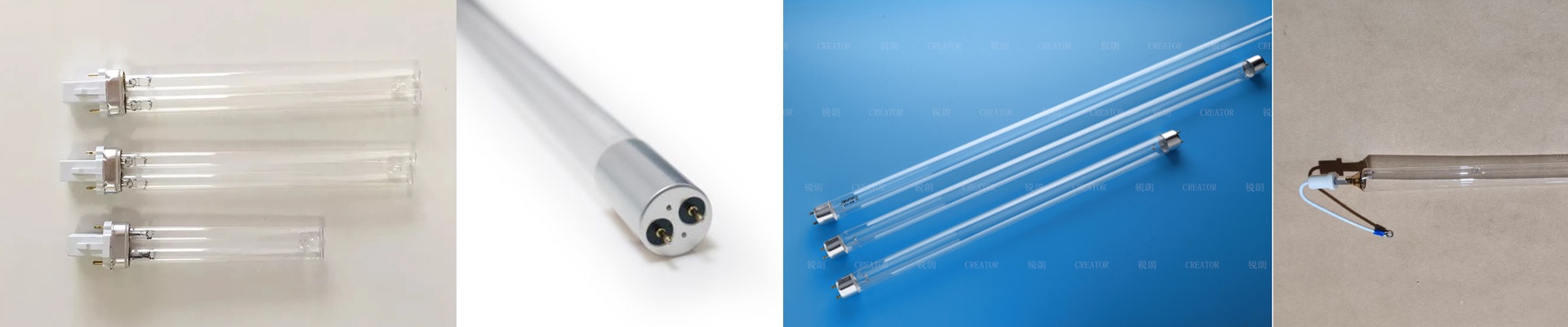
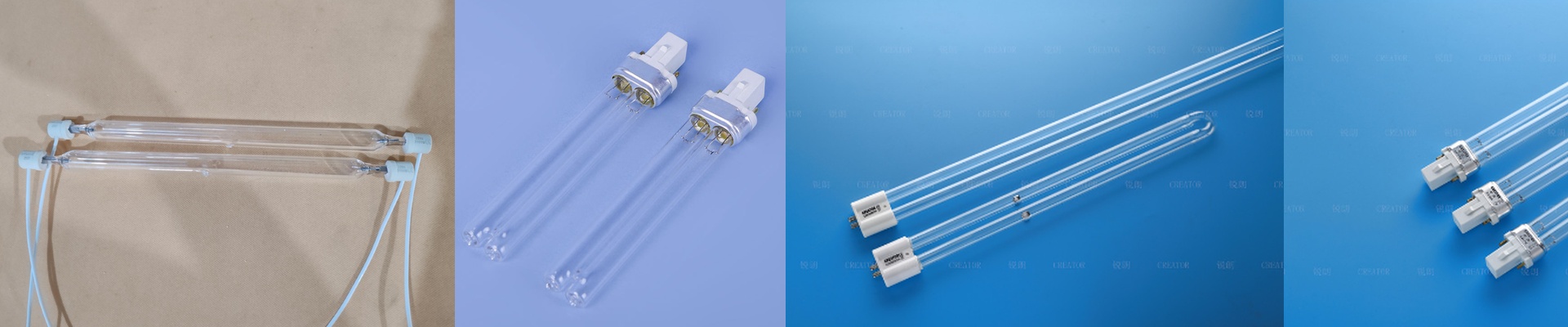
When we’re talking about photo-curing in a PCB shop, Gallium Iodide (GaI) lamps are the real workhorses. They don’t just blast light; they focus energy right where it needs to be—the short-wave spectrum. This is a lifesaver for those high-density interconnect (HDI) boards. The goal here is a balancing act. We want those fine lines to be crisp and clean, but we can’t just crank up the heat and risk warping the substrate.
The Nitty-Gritty on Output
Inside these lamps, gallium iodide vapor gets excited to create a massive spike of UV light. When we’re picking lamps for the floor, it all comes down to irradiance and how wide the exposure field needs to be. I usually spend a lot of time tweaking the wattage. If you push it too hard, you’ll speed up the line, but you’re also putting a ton of stress on the quartz envelope. Plus, you have to watch out for “dark cure” or over-exposure. It’s a tightrope walk between moving fast and keeping the quality high.
Heat, Glass, and Hardware
The lamps use high-purity fused quartz for the envelope. We do this because regular glass would just soak up the UV light, and we need every bit of that energy hitting the PCB. But here’s the thing:**these lamps get hot.**Really hot. If your cooling fans are dusty or your chilled water loops aren’t humming along perfectly, that quartz is going to degrade. Once that happens, your output drops, and suddenly you’re chasing your tail trying to figure out why the boards aren’t curing.
Making it “Smart”
We’ve moved past the days of just plugging a lamp in and hoping for the best. Now, we hook them up to real-time radiometers. It’s a much better way to work. You can see the actual UV output and tweak the conveyor speed on the fly. And the best part? When a lamp starts to fade, the system flags it. You can just swap it out for a fresh one before the QC team starts sending boards back to you. It’s a lot less stressful than waiting for something to break and then scrambling to fix it.