

Making Pro UV Curing Actually Affordable for Small Shops
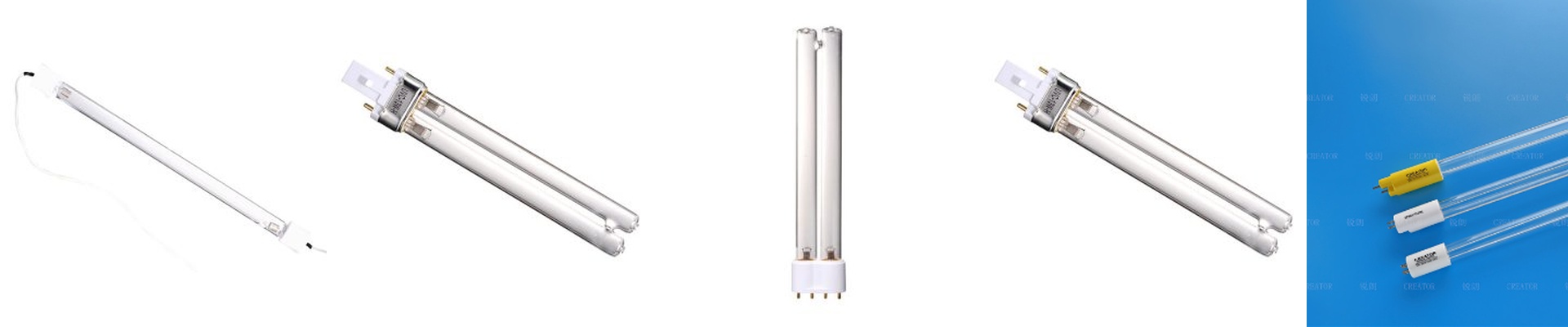
Let’s be honest: the big equipment manufacturers usually don’t care about the little guy. If you run a small or medium print shop, you’ve probably noticed that most high-end curing systems are either ridiculously overpriced or packed with features you’ll never actually use. You just want your ink to dry properly without spending your entire yearly budget on one machine. That’s why we build our own custom UV lamps.
How it actually works
It’s basically a chemistry trick. Your ink has these things called photoinitiators. When the UV light hits them, it kicks off a reaction that turns liquid ink into a hard, solid film almost instantly. It’s like magic, but with physics. (And if you’re using it for sterilization, we just tweak the light to a different band—UV-C—to wipe out germs by messing with their DNA).
Getting the specs right
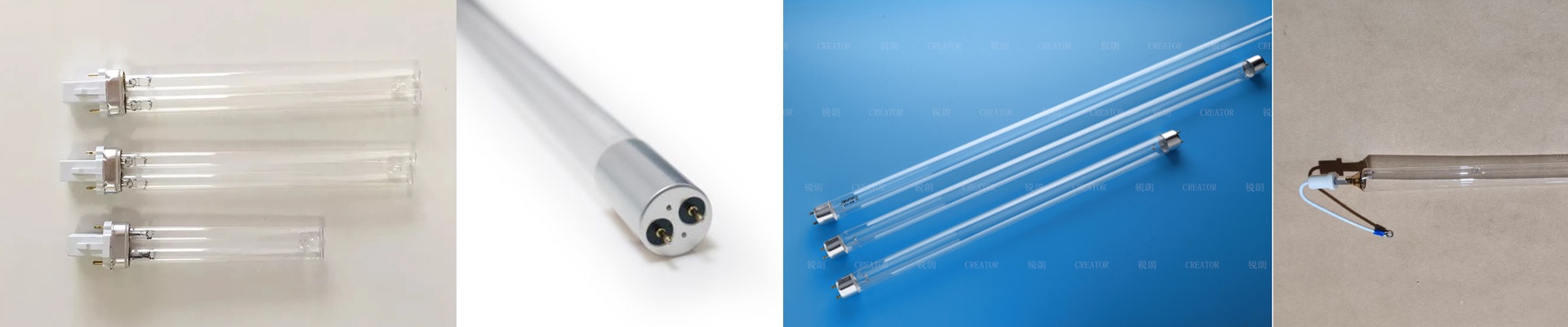
Here is the tricky part: power density. If you go too low on the wattage, your prints stay tacky. There is nothing worse than pulling a job off the line and realizing it’s still sticky. But if you go overboard? You’ll scorch your materials or burn out your tubes way too fast. We figure out the length and wattage based on how fast your conveyor moves. If you’re running a high-speed line, you need a short, intense blast. If you’re doing slower, detailed work, a longer tube is the way to go to make sure every inch is cured perfectly.
The “Gotchas” and Maintenance
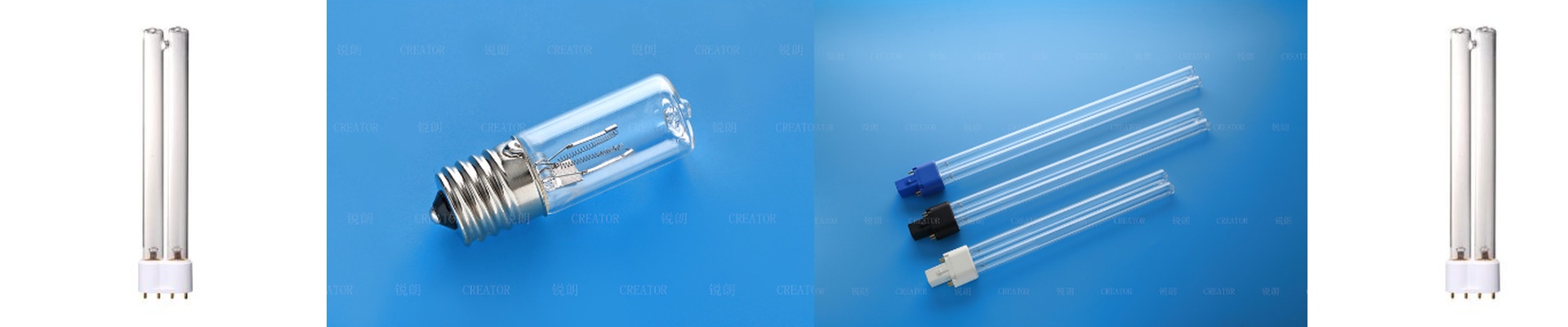
We use quartz glass because it lets the UV light through better than anything else. It can handle a rough industrial environment, but it’s still glass—it can break. And please,keep the tubes clean. A little bit of dust on the glass acts like a shield, blocking the light from hitting the ink. If that happens, you’re just paying for electricity that isn’t doing any work. Since we build these custom, we can make the connectors and footprints match whatever rig you’re already using. It’s usually a simple drop-in replacement. One last thing: more power means more heat. If we’re stuffing a high-wattage lamp into a tight space, you’ve got to keep an eye on your cooling fans. If the heat builds up, your lamp life will tank. We just want to make sure the smaller shops have the tools they need to do modern, high-quality work without going broke doing it.