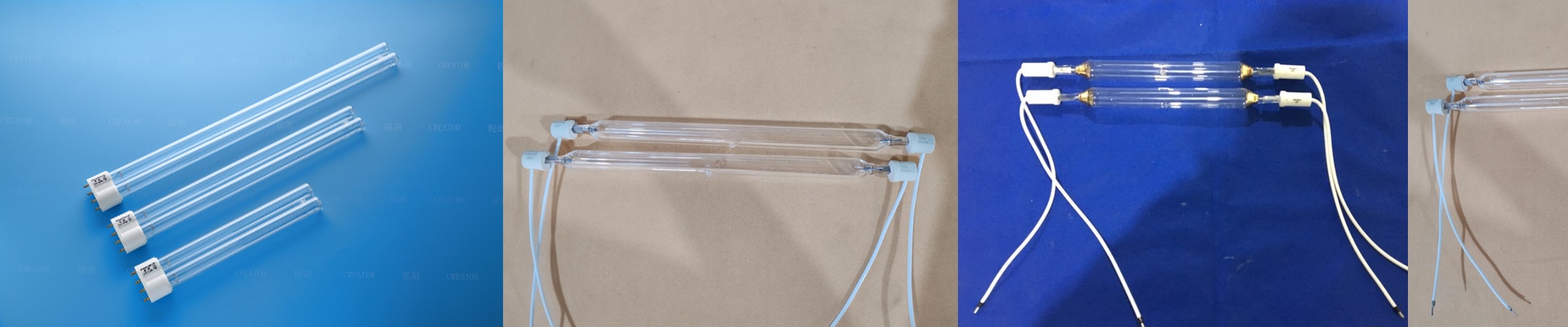
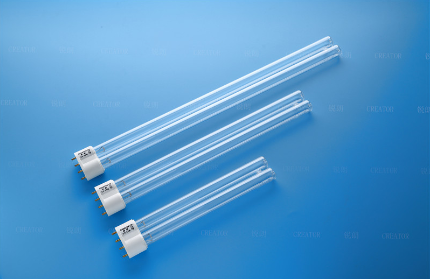
Dealing with Gallium Iodide Lamps in PCB Work
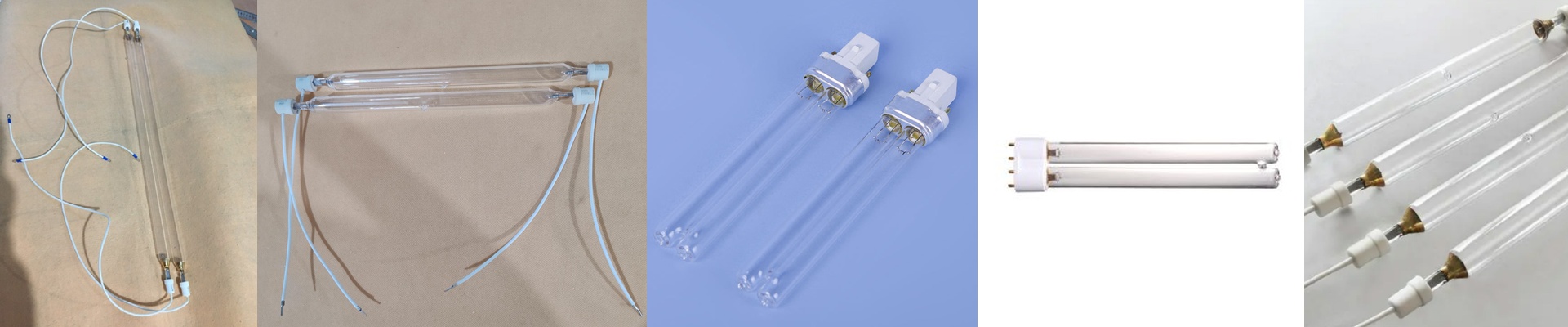
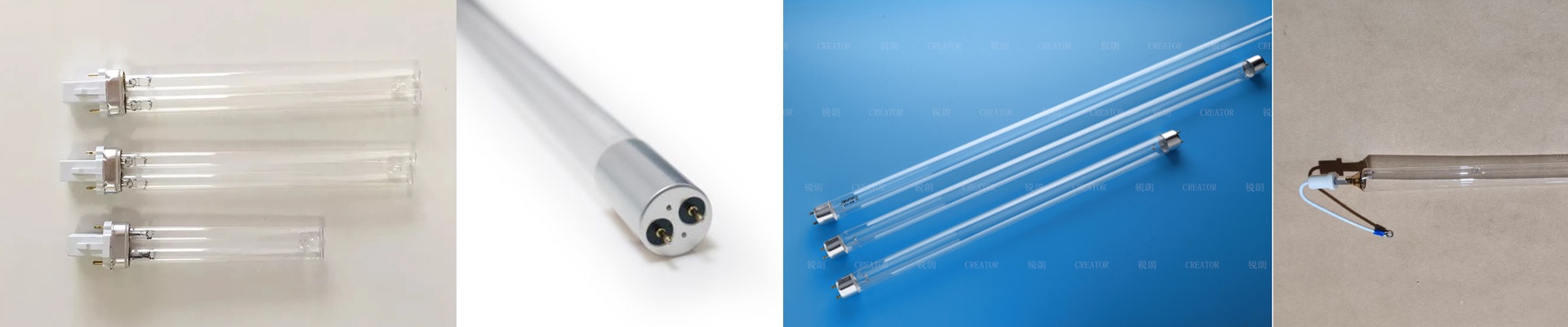
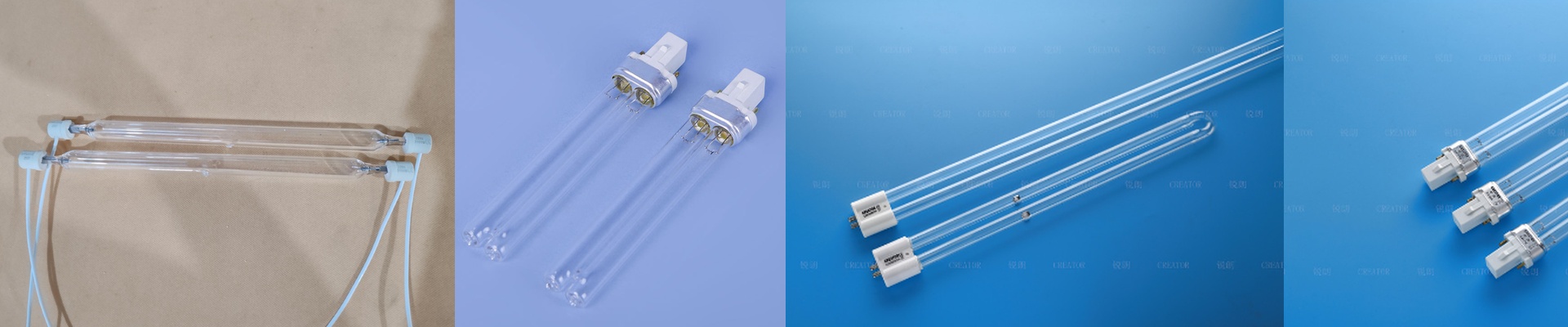
If you’re running a PCB line, you know the struggle of getting those traces just right. That’s where Gallium Iodide (GaI) lamps come in. They aren’t your run-of-the-mill mercury vapor lamps; they hit a very specific UV peak that makes a massive difference when precision is everything. The secret is in the wavelength. These lamps live in that 250nm to 350nm sweet spot. Why does that matter? Because shorter wavelengths mean sharper lines on your copper. It stops that annoying “under-cutting” during etching. Basically, your traces stay tight, and you can pack more components onto the board without things getting messy. But here’s the catch:these things run hot. Seriously hot. To get those gallium ions moving, you need a lot of energy, and that puts a ton of stress on the quartz glass. If you don’t have solid forced-air cooling, you’re asking for trouble. You’ll either crack the glass or, even worse, scorch the photoresist right off the board. You’ve got to play a balancing act here. Match your wattage to your conveyor speed. If the board moves too slow, it overheats. Too fast, and it doesn’t cure. It takes a little tweaking to find that perfect rhythm. Getting them into your line We made these as drop-in replacements. No need to rip out your wiring or rebuild your machine’s electrical setup—they just plug right into your existing UV arrays. One thing to keep in mind, though, is the lifespan. GaI lamps don’t last as long as the standard stuff. You’ll want to keep a close eye on your hour-meter. Don’t make the mistake of cranking up the voltage to “stretch” the life of a dying lamp. That’s a quick way to blow a ballast. Just swap them out before the light drops off. It’s the only way to make sure board number ten thousand looks exactly like board number one.