One-Minute UV Lamp Pick: Getting Emperor Aquatics to Play Nice With Your Printer and Ink
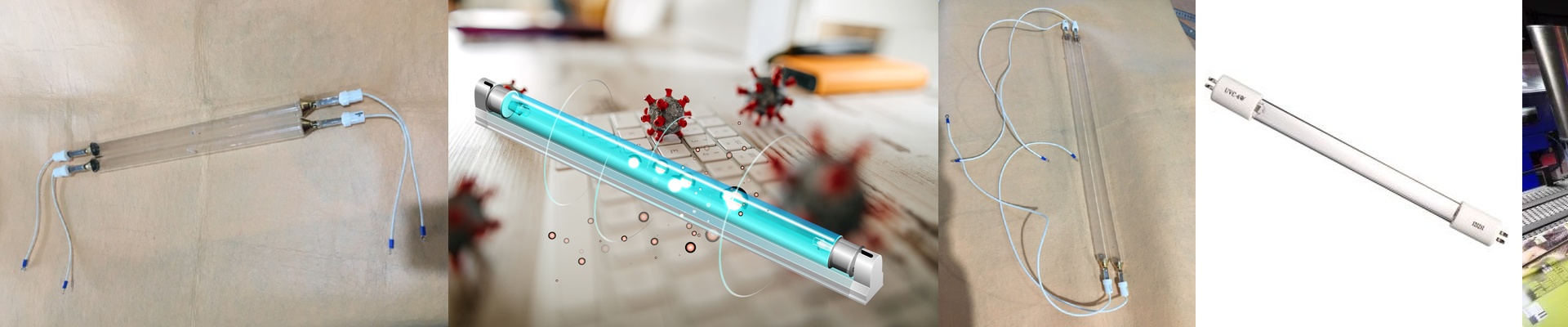
We built the Emperor Aquatics UV lamp for printing lines where you can’t afford downtime or slow cures. Plain and simple. The whole point? Match the lamp’s power and light spectrum to your printer and the ink you run. That way, you get a solid cure—without scorching the material.
Power, voltage, and fit: the stuff that actually matters
When you’re sizing a lamp, start with UV output. It comes down to wattage, delivered at a specific voltage. More wattage means faster curing. But it also means more heat and more draw on your power. And voltage? It has to match your machine’s ballast and wiring. Get it wrong, and the lamp starts acting up—hard starts, inconsistent performance, and a shortened life. Then there’s the physical length. The lamp has to sit in the reflector just right. Too short, and you’ll have uncured edges. Too long, and you risk contact issues. Either way, it’s trouble.
What it’s made of—and why it matters on the floor
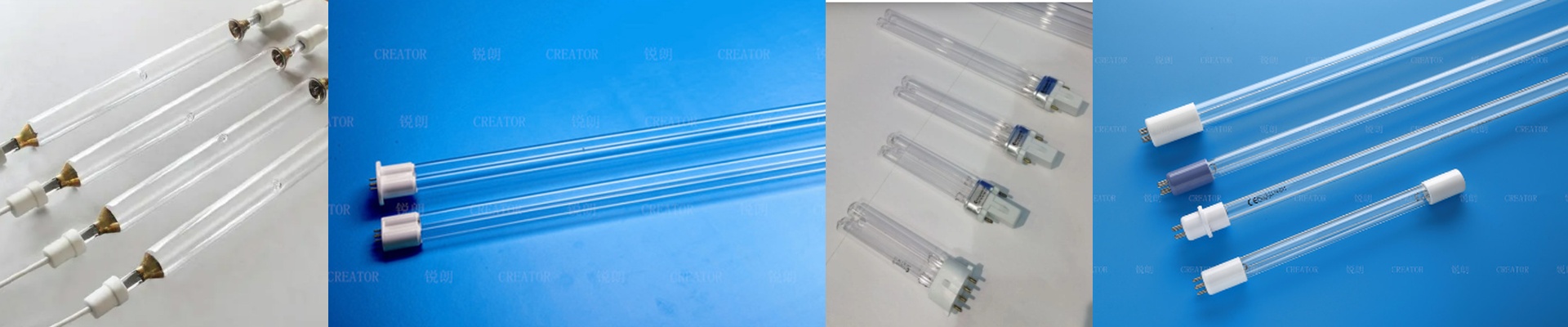
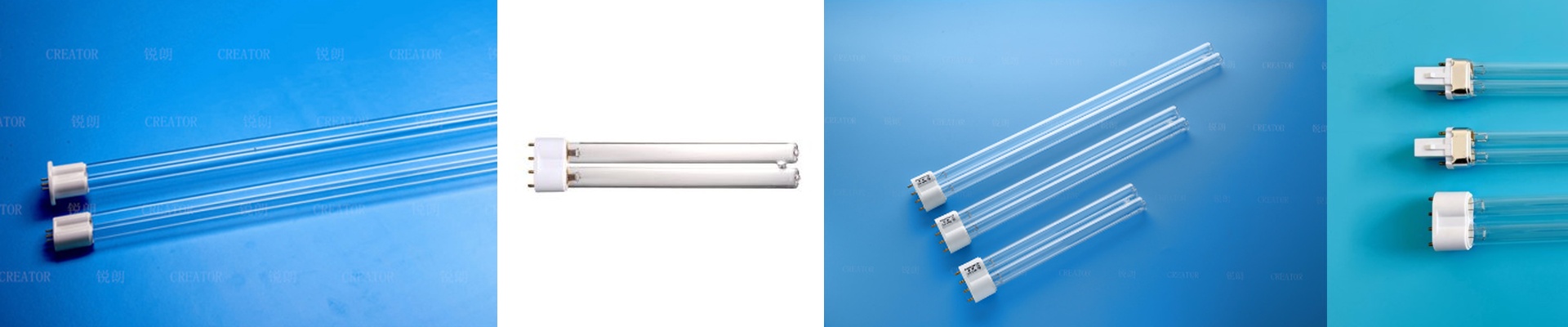
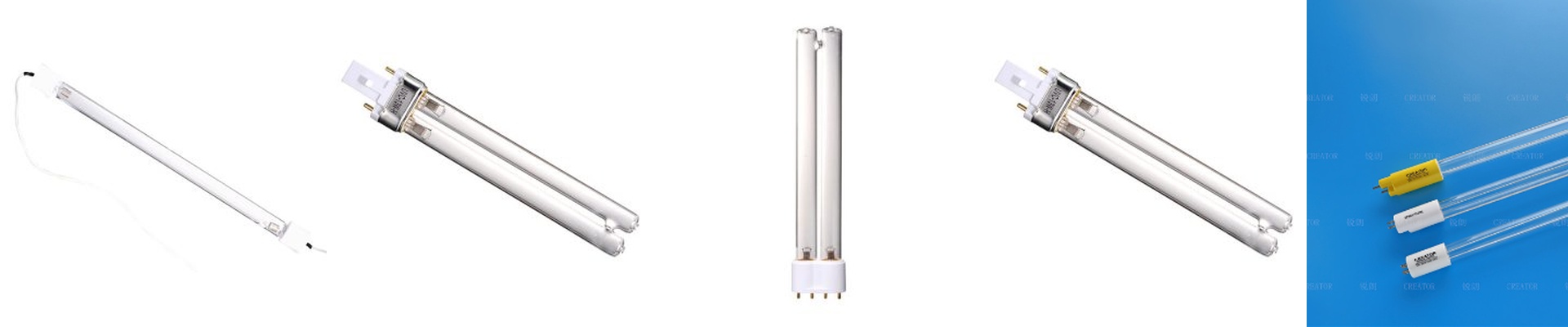
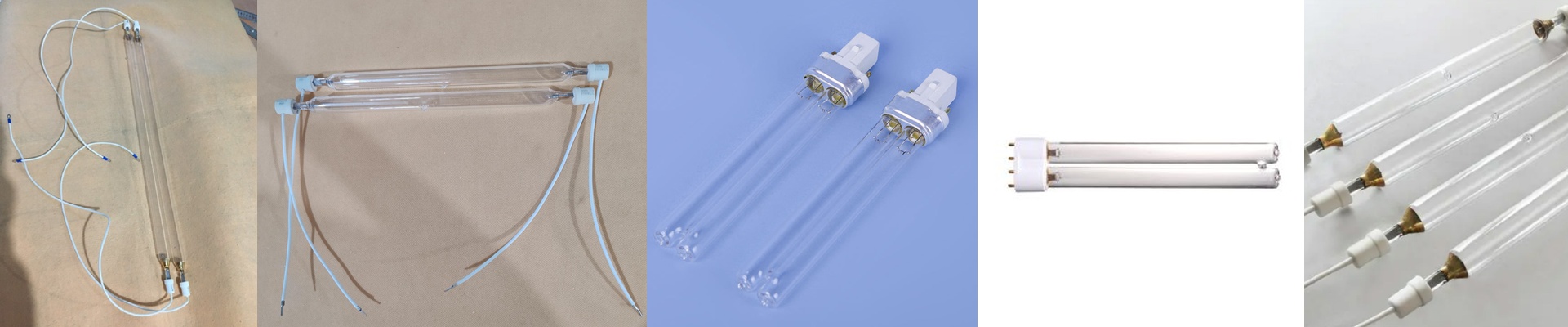
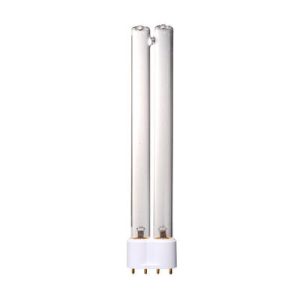
We use quartz because it handles the real-world beating of a printing line—on, off, on, off—without cracking under thermal stress. Inside, the coating is tuned to shape the light spectrum. The goal is to push the wavelengths that match the photoinitiators in your ink. And the connector? Usually an R7s or similar industrial interface. That’s intentional. It gives you solid contact, handles high current, and makes swapping lamps fast with a standard tool—so you’re not stuck waiting around.
The payoff: repeatability you can count on
On the shop floor, you need repeatability. Cure speed has to keep up with line speed, and the lamp has to survive long runs without getting finicky. Emperor Aquatics UV lamps deliver stable output and a consistent spectral curve. Set it once, and it behaves the same shift after shift. There is a trade-off, though. Higher power cures faster, sure—but you have to plan for it with proper cooling and ventilation. When you spec the lamp to your printer and ink, you get consistent cure, fewer rejects, and maintenance that stays predictable.