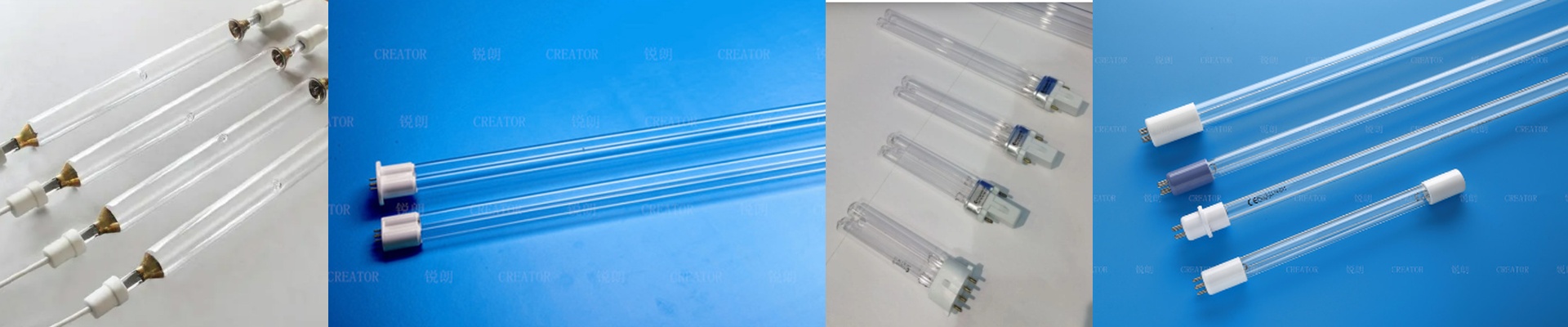
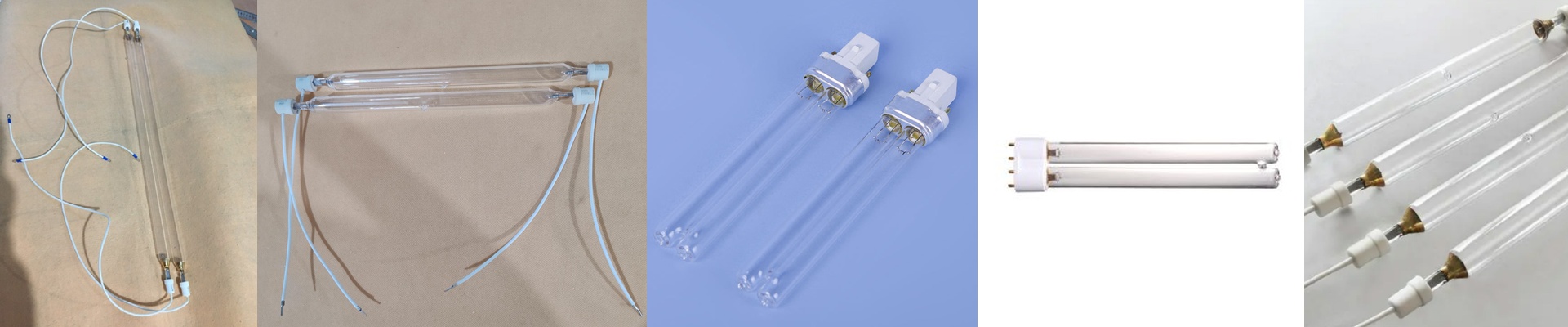
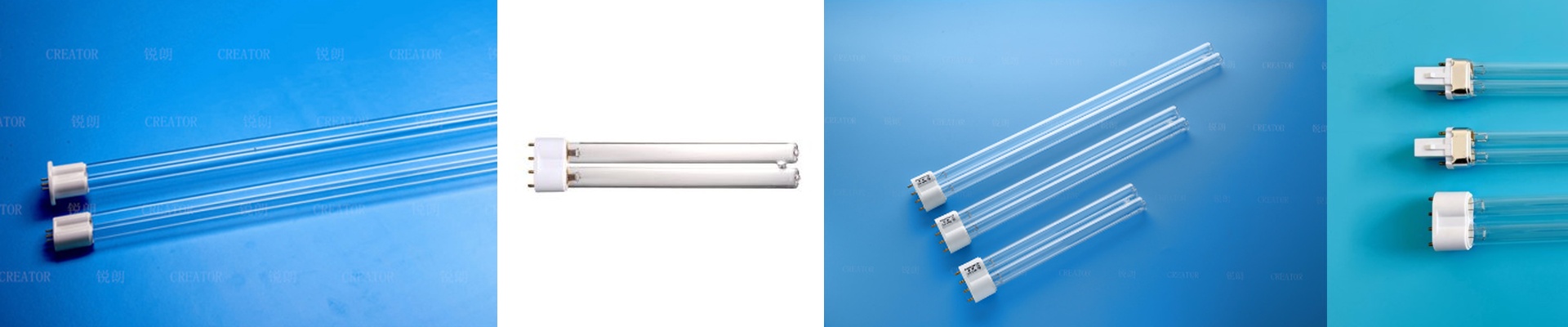
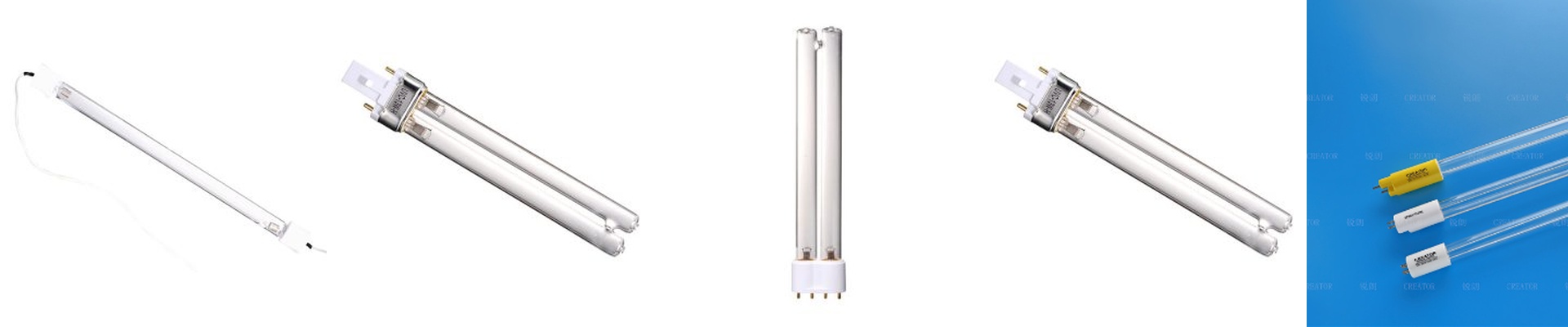
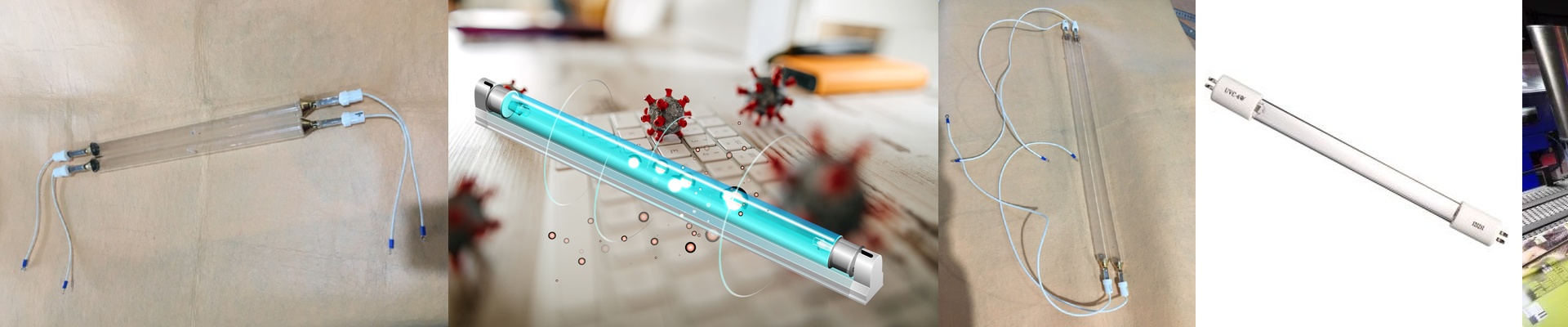
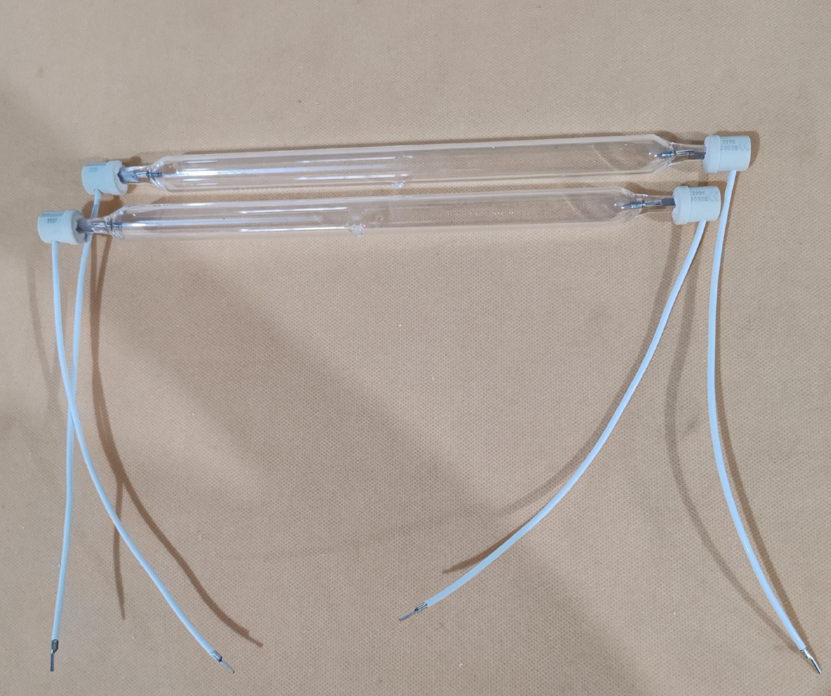
We’re building the next wave of UV lamp systems, and honestly, the big question has shifted. It’s not just about raw power anymore. It’s about smart control. The future of industrial UV—whether you’re curing or disinfecting—belongs to systems that pair a rock-solid power supply and ballast with the ability to keep an eye on energy use from afar. It moves you from a set-it-and-forget-it setup to something dynamic, guided by real data. Let’s get into the guts: power, voltage, and how it all clicks together At the heart of any dependable UV lamp is a power supply and ballast you can actually trust. We build ours to match the specific electrical needs of industrial lamps, keeping that arc stable at the right voltage and current. It’s not just flipping a switch. It’s careful load management to stop flicker, stretch lamp life, and keep UV output steady. And here’s the part that makes life easier: remote monitoring. You can watch power draw, track how long the lamp’s been running, and check overall system health from one central spot. No more guesswork. Built to perform—under real-world stress The lamp itself is engineered for the job. We use a quartz envelope that can handle intense heat, plus a precise internal coating to focus on the UV wavelengths your work actually needs. The connectors—whether R7s or other industrial-grade types—are chosen for solid contact and the ability to carry high current without getting hot. The goal is simple: a connection you can rely on, even when things run hot and nonstop. What this means on the shop floor—straight from the engineer’s view This setup solves actual headaches. Remote energy monitoring flags exactly when a lamp starts pulling too much power, so you know it’s near the end of its life before it fails mid-cycle. That means fewer surprise breakdowns and lower energy costs. You get the data you need to plan maintenance instead of scrambling to react. But there’s a trade-off you should know up front. These systems pack a lot of power into a small footprint, so your machine’s cooling has to be up to the task. Pushing high wattage in a compact design demands solid thermal management to protect both the lamp and the parts around it. It’s the price you pay for that level of intensity and control.