Beyond the Lamp: We Show Up and Make Your Plastic curing Actually Work
Let’s be honest: we don’t just sell UV lamps. We roll up our sleeves and build a curing solution that works in the real world—on your floor, on your line. Because you don’t need another box with a tube inside. You need something that plugs into your process cleanly and delivers the same great result, day after day.
Power, voltage, size—why these numbers actually matter
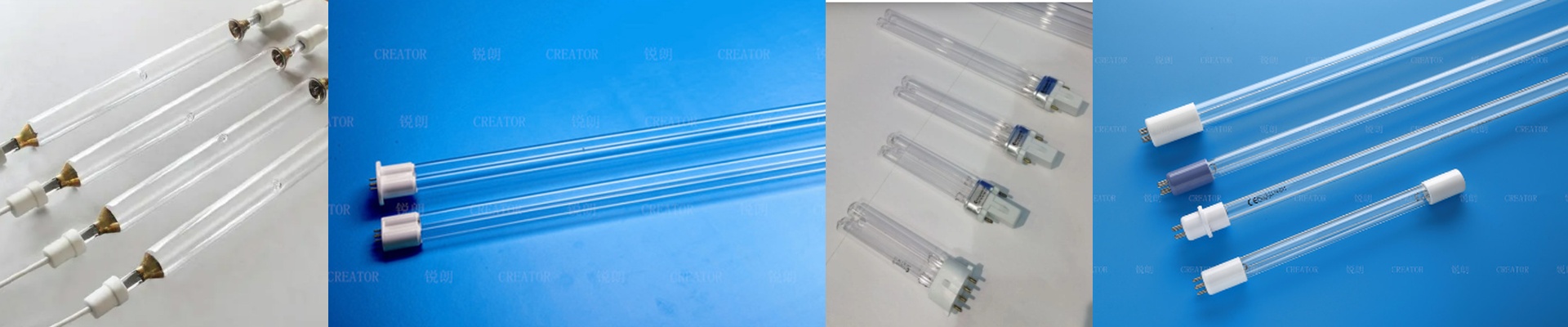
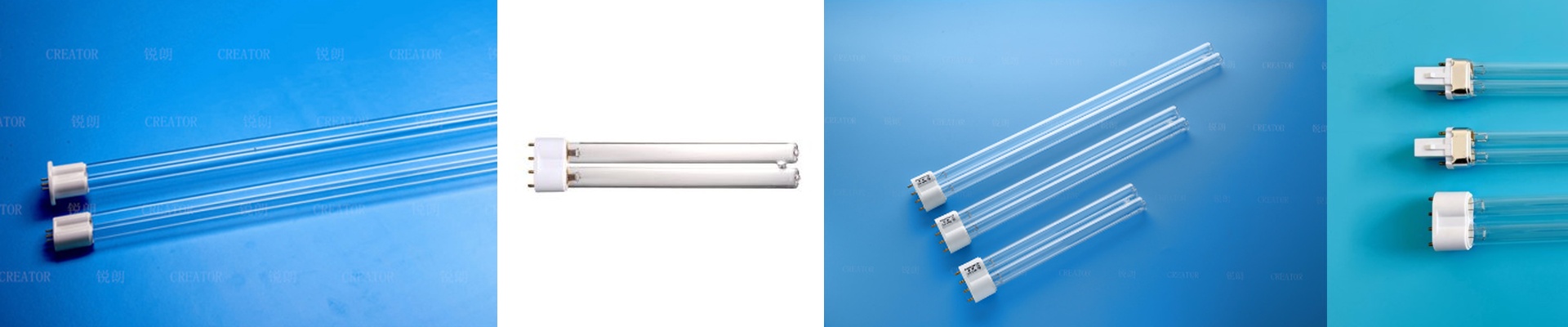
When you’re curing plastic, heat and energy density aren’t optional details. They’re the whole game. Our lamp runs on a 400V input and hits 2500W, giving you that hard-hitting UV intensity that cures coatings in seconds. The length is 300mm, and the profile is slim—built to slip into tight chambers without losing coverage. But that kind of power creates heat. And if your machine’s cooling can’t keep up, the lamp output drifts. When the output drifts, your cure profile drifts right along with it. So yes, it’s powerful. And it also needs a thermal setup that can handle the load.
What’s inside: quartz, halogen, and the little details that prevent headaches
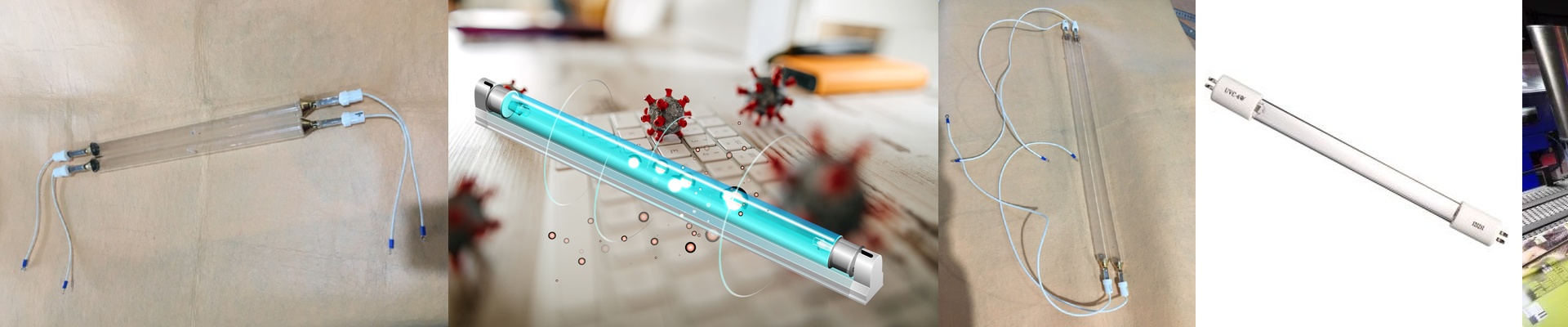
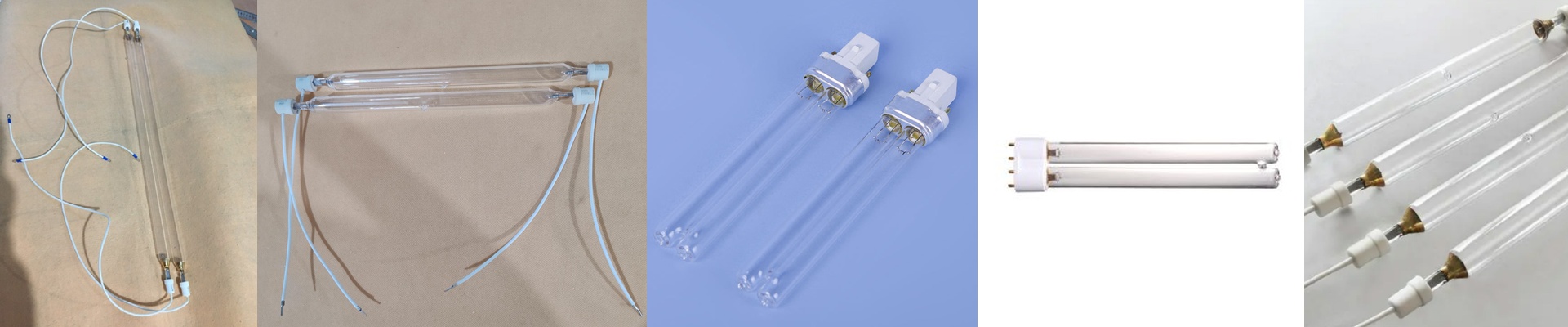
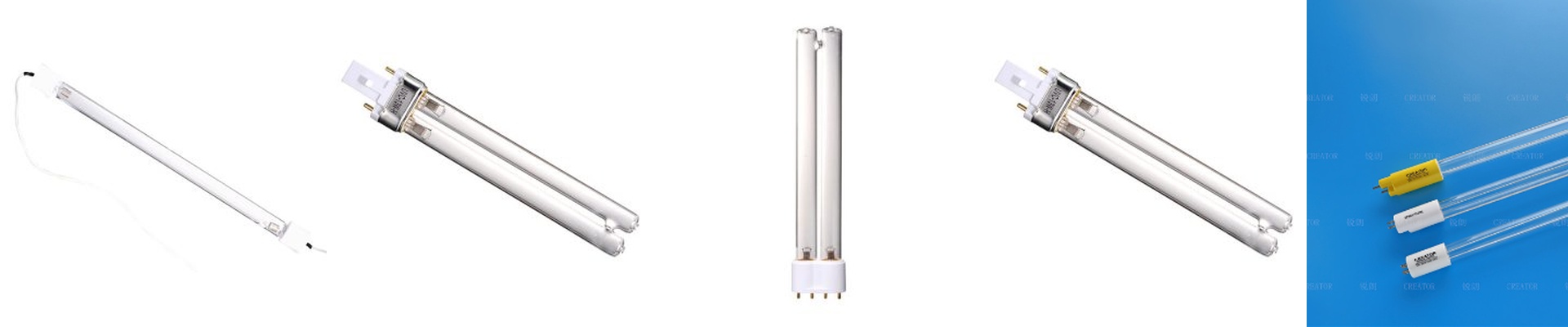
The body is made from high-purity quartz, chosen because it transmits UV well and doesn’t crack under fast temperature swings. Inside, a halogen fill keeps the spectrum stable across the curing window. A specialized coating helps protect the internals so the output stays consistent—hour after hour, for thousands of hours. And the R7s connector? That was intentional. It’s a standard, tough interface that makes replacement quick—no tools—and keeps the electrical contact solid. That means less downtime and fewer hot spots caused by resistance at the terminals.
The real problem isn’t the lamp. It’s making the whole system behave.
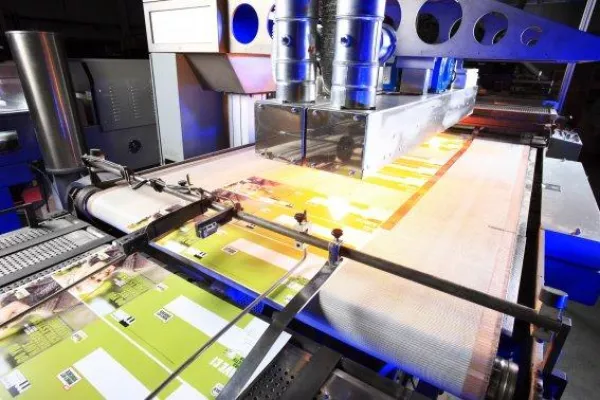
If you’re coating, bonding, or finishing plastic, the lamp is only one piece. The tough part is matching the lamp to your line speed, your part shape, and the chemistry you’re curing. That’s where we come in. Our engineers come on-site, run diagnostics, measure actual irradiance, map the temperature profile, and tune everything so it hits your process window. The payoff is practical: fewer scrapped parts, longer lamp life, and a line that keeps moving. Because the value isn’t just having a lamp. It’s having a solution that stays in the groove—and gets out of your way.