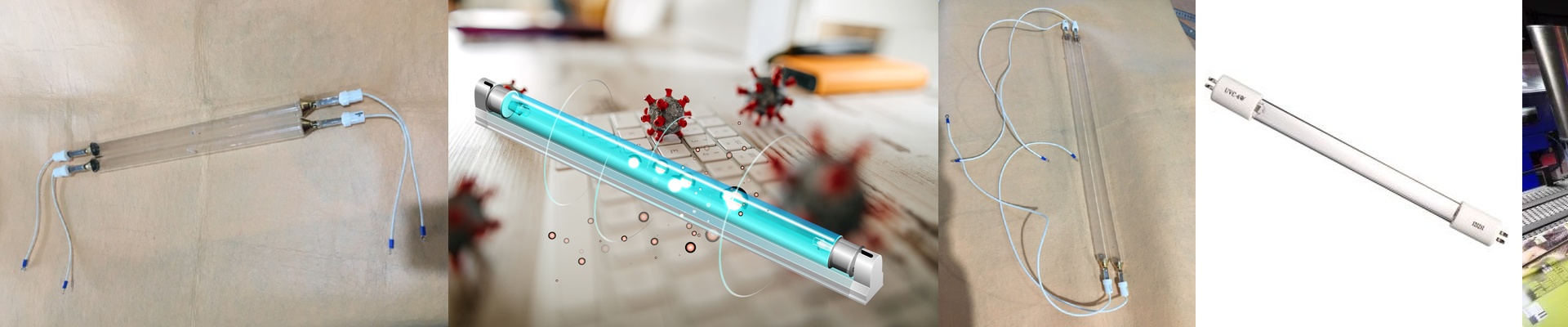
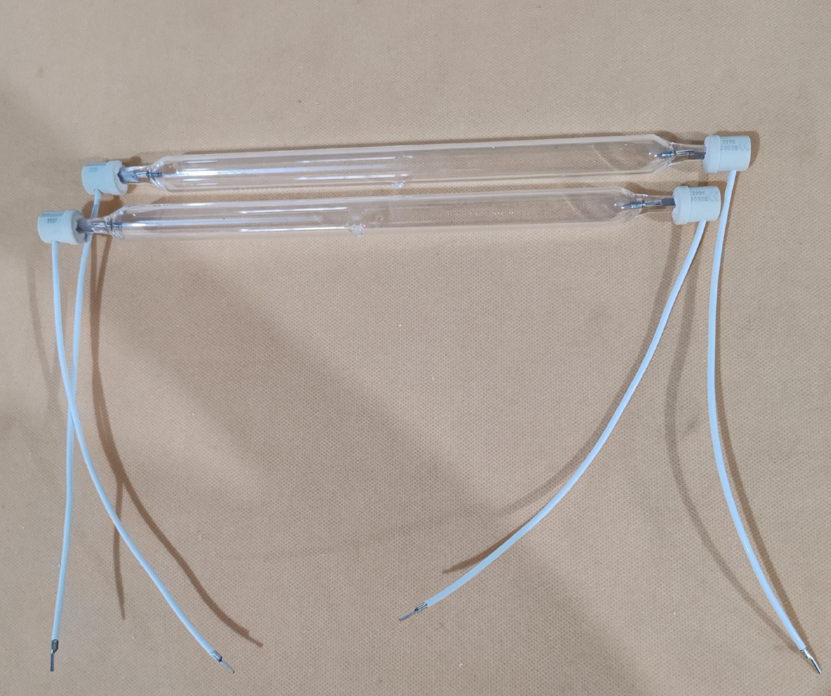
A Real-World Look at Gallium Iodide Lamps for PCB Production
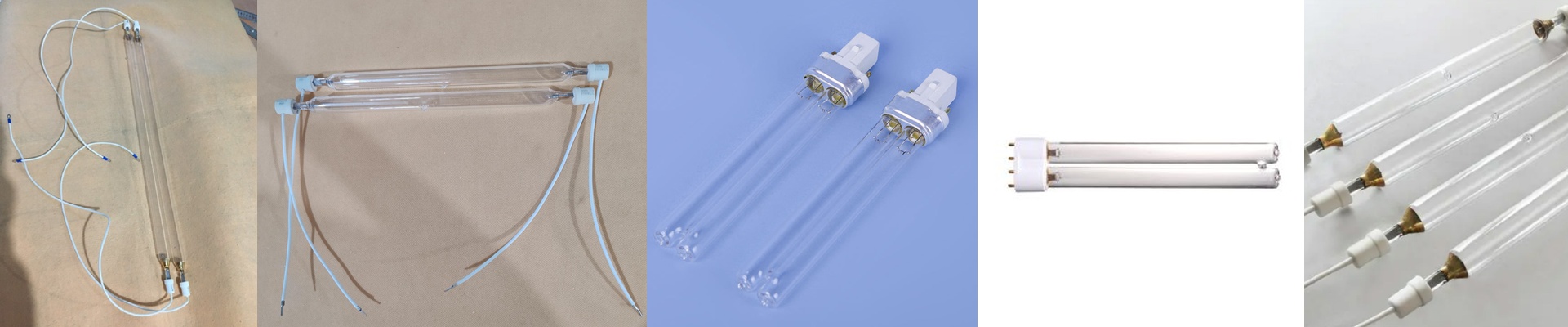
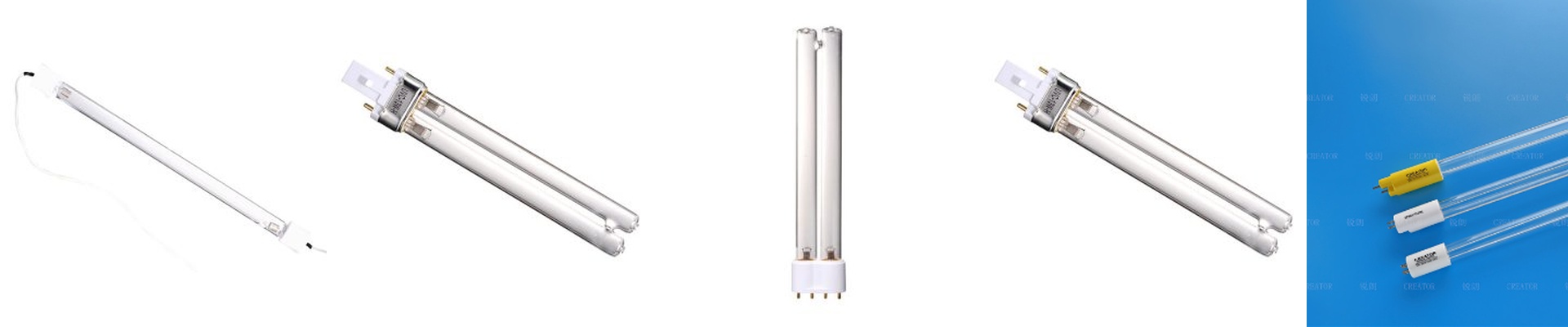
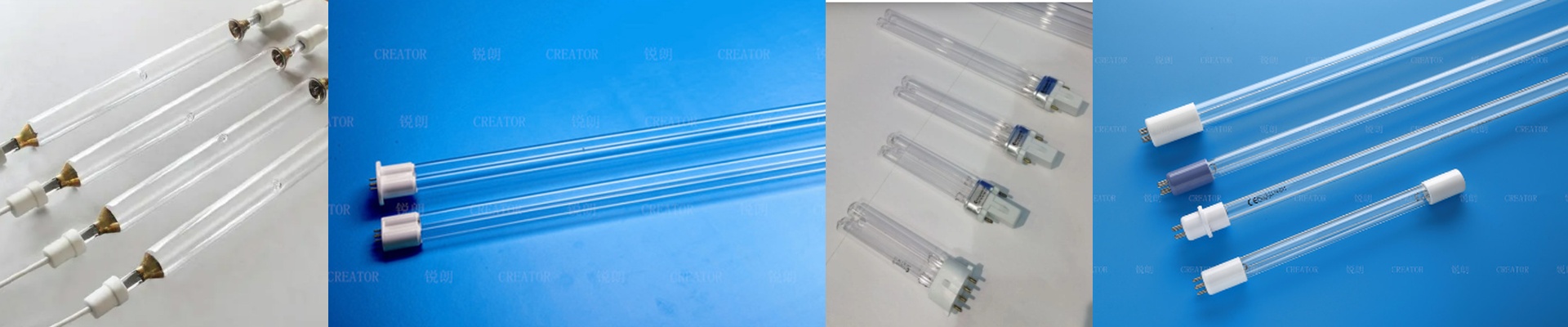
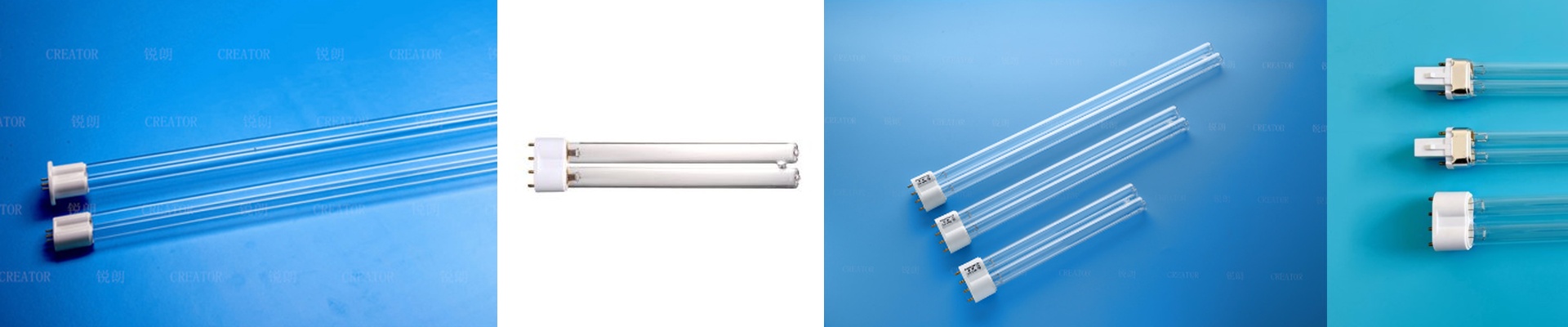
If you’re working with photoresists and dry films in a PCB shop, you know the drill. You need a UV source that actually does the job, and that’s where gallium iodide lamps come in. They aren’t your run-of-the-mill mercury tubes. These are built to hit very specific spots in the light spectrum to make sure your photo-initiators actually react. The science bit, simplified Here’s the thing about the physics: we’re aiming for a sweet spot in the UV-A and UV-B range. Why? Because the light has to actually get through the resist layer. If the wavelength is too short, the energy just bounces off the surface. Too long, and nothing happens—no polymerization, no cure. We tweak the gas mixture so the energy hits the very bottom of the resist. If you don’t get this right, you end up with “under-cure,” and that’s when your resist starts peeling off during etching. Trust me, that’s a headache you don’t want. Getting them wired up When you’re dropping these into your curing tunnel, remember you’re dealing with high-intensity discharge (HID) gear. You can’t just plug them in and hope for the best. You need a solid ballast to keep the arc stable. But here’s the part people usually miss:the heat. Gallium lamps run hot. Really hot. If your cooling fans aren’t beefy enough to handle the total wattage, the tube envelope will overheat. Not only does that kill the lamp’s lifespan, but it actually shifts the light output, which throws your whole process off. Life on the shop floor Think of these lamps as the engine of your exposure unit. The goal is a perfectly uniform field of UV light across the entire board. If you have “dark spots,” you get uncured resist. That means ruined panels and wasted money. Keep a close eye on your hour-meter. Gallium degrades over time, and as it does, your curing speed drops. You’ll feel it before you see it. The resist will feel a bit tacky, or it’ll fail the tape test. Don’t wait for the tubes to burn out completely. Swap them out early. It’s the only way to keep your line moving at a consistent speed without any nasty surprises.