Stop Guessing with Your UV Curing
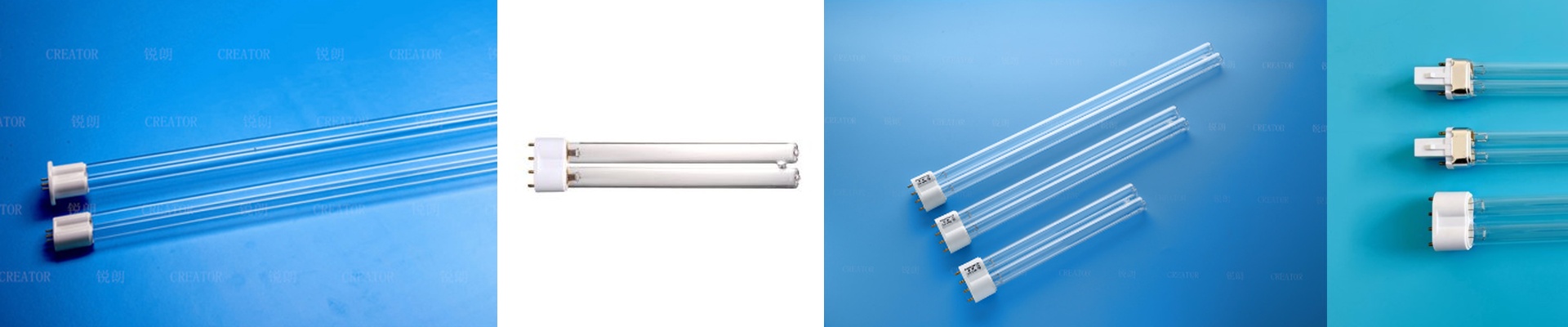
Most industrial shops rely on standard mercury UV lamps—the 120W/cm workhorses. They get the job done, but let’s be honest: most of them are basically “blind.” You set a timer, you flip a switch, and you just hope the tube is actually hitting its target irradiance. It’s a guessing game that usually ends in one of two ways: you waste money replacing a perfectly good lamp too early, or you realize too late that a dead lamp just ruined an entire batch of product. The heat problem When you’re packing 120W into every centimeter, things get hot. Fast. If your cooling system slips even a little, the temperature spikes. Suddenly, your quartz envelope is at risk of cracking, your electrodes are burning out, and your actual UV output starts to dip. That’s the problem with “dumb” lamps. They don’t tell you they’re struggling until something actually breaks. A better way to track energy We’re changing how these lamps work by adding remote energy monitoring. Instead of crossing your fingers, you can see exactly what’s happening in real-time. We track power consumption and spectral decay by watching the voltage-to-current ratio. It’s a simple way to know exactly when a lamp is hitting its limit before it causes a disaster on the line. This isn’t about adding some flashy, over-complicated software. It’s about hard data. If a lamp is pulling 120W but only putting out 80% of the UV it did on day one, the system flags it. You see it. You fix it. The trade-off Now, there are a few catches. Adding this hardware means your power supply takes up a bit more room. You also have to be a lot cleaner with your wiring to keep electrical noise from messing with the sensors. But here’s the thing: it’s worth it. You can finally stop following a rigid replacement schedule. No more tossing lamps that still have plenty of life left, and no more running “zombie” lamps that aren’t actually curing anything. It just makes the whole process a lot less stressful.