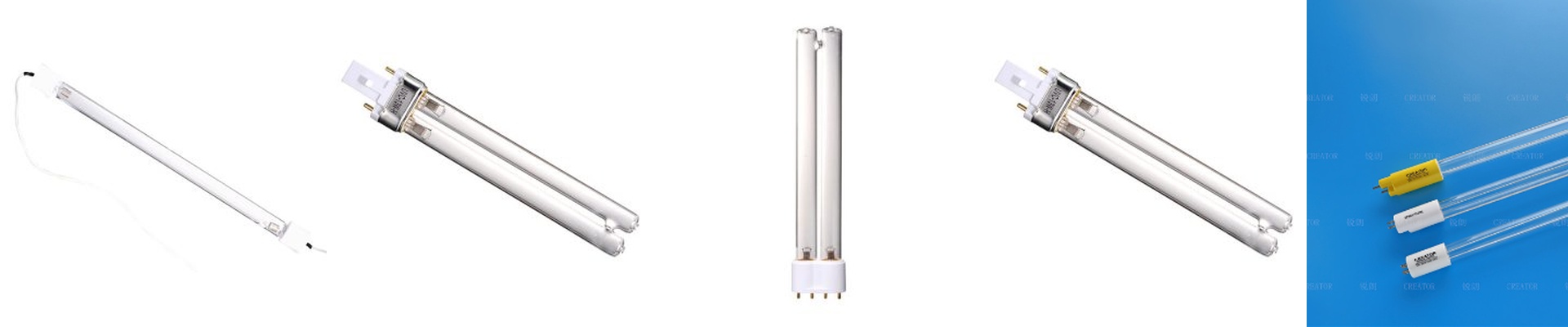
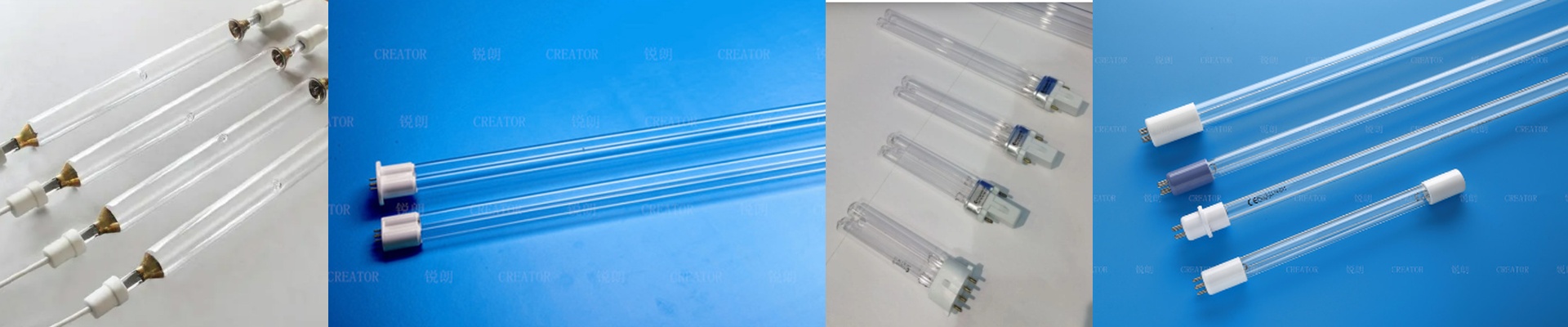
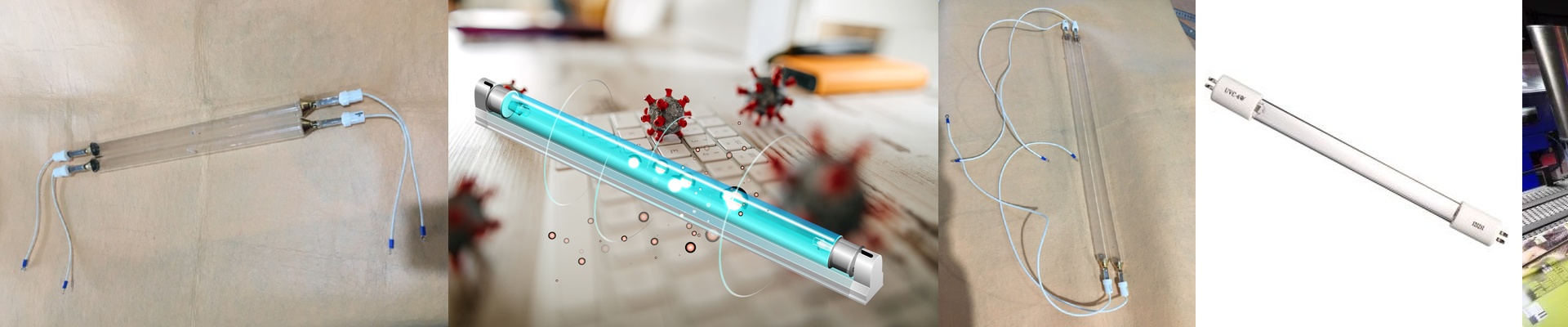
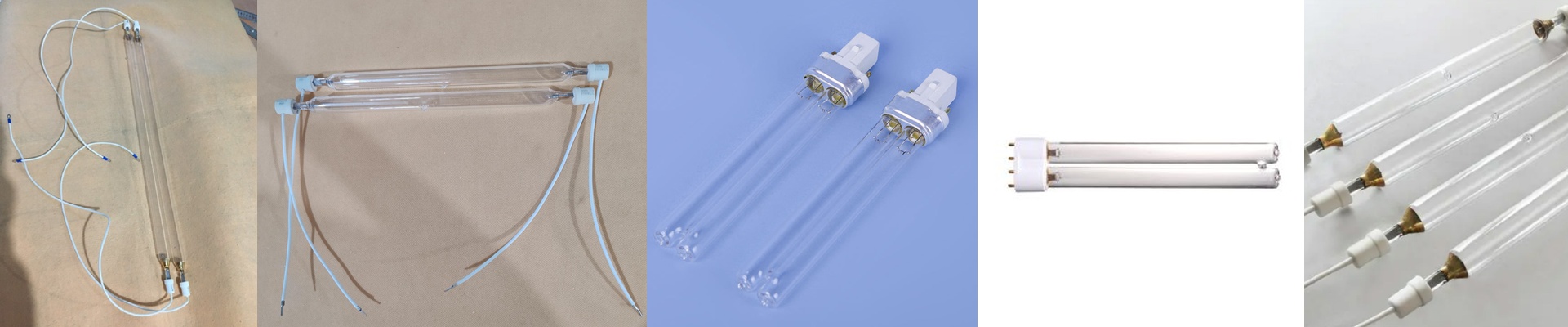
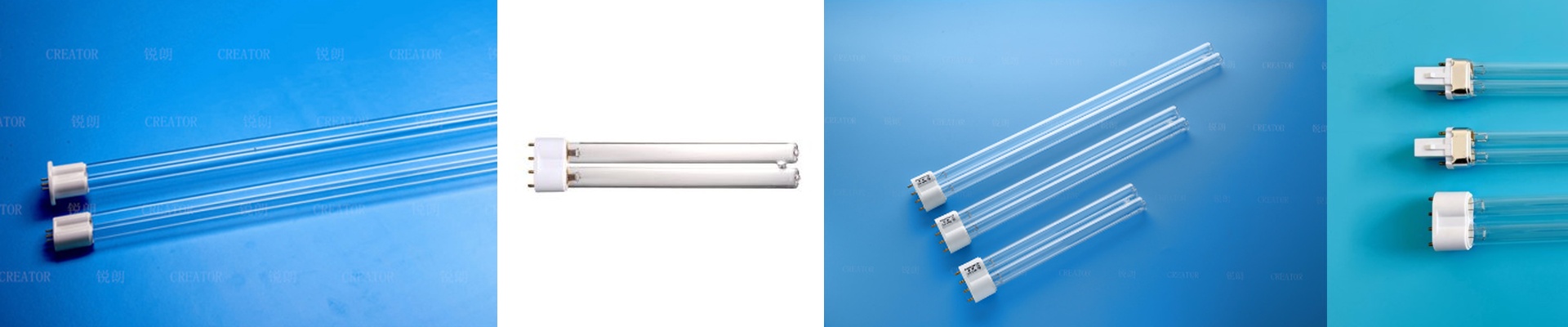
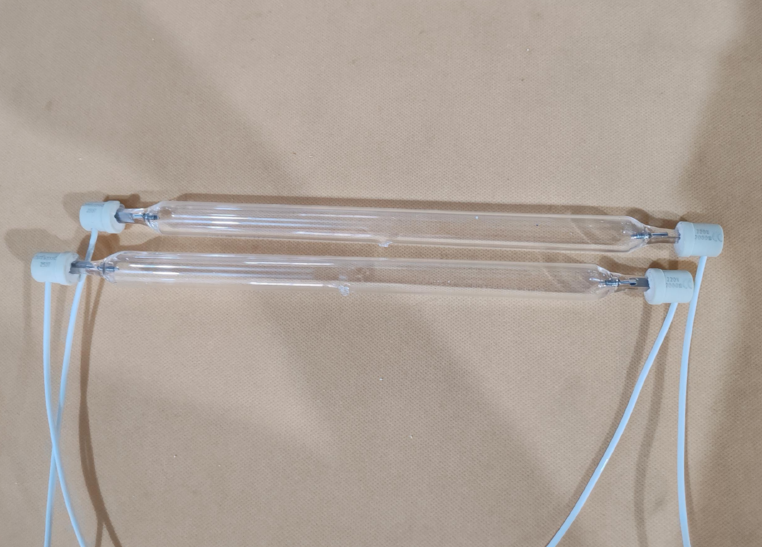
We’ve spent some time on the road lately—visiting about 3,000 different printing plants. And we noticed something frustrating. There is a massive gap between what the lab specs say and what actually happens on the shop floor. Too many shops are dealing with ink that won’t cure deep enough or lamps that burn out way too soon. It’s a headache. So, for our 2026 lineup, we went back to the drawing board on our high-pressure mercury lamps. We stopped obsessing over the paperwork and started focusing on two things: keeping the light steady and managing the heat. Let’s talk about the light. We use a mercury arc to hit those 254nm and 365nm peaks. In plain English? That means your surface dries fast, but the thick layers of ink underneath actually cure too. We also tweaked the wattage-to-length ratio. Why? Because “cold spots” at the ends of the lamp are a nightmare. If you cram a high-wattage tube into a housing that’s too short, you’re basically cooking your electrodes. We’ve balanced the power so you get the intensity you need without melting the hardware. The build quality. We don’t use standard glass. It blocks too much UV. Instead, we use high-purity fused quartz, which lets the UVC and UVB rays fly straight through. And since we know you’re probably starting and stopping your lines all day, we reinforced the tungsten filaments. It stops the electrodes from giving up the ghost. You’ll notice the arc stays right in the center, even when you’re running at full speed. No flickering, no dips—just a steady cure across the entire web. The reality check. Here is the thing: these lamps aren’t magic. They aren’t just “plug and play.” A high-output lamp puts out a ton of IR heat. If your cooling fans are clogged with dust or your chillers are too small, your lamp is going to overheat. That can kill your lifespan by 30% almost overnight. We suggest a simple rule: match your cooling capacity 1:1 with your UV output. Keep it cool, and it lasts. Plus, we simplified the connectors. We’ve all seen those loose connections that cause arcing and fry the ballast. It’s a waste of money. Wire it up tight. Keep your reflectors clean. Do those two things, and you’ll easily hit that 1,000-hour mark without the light fading.