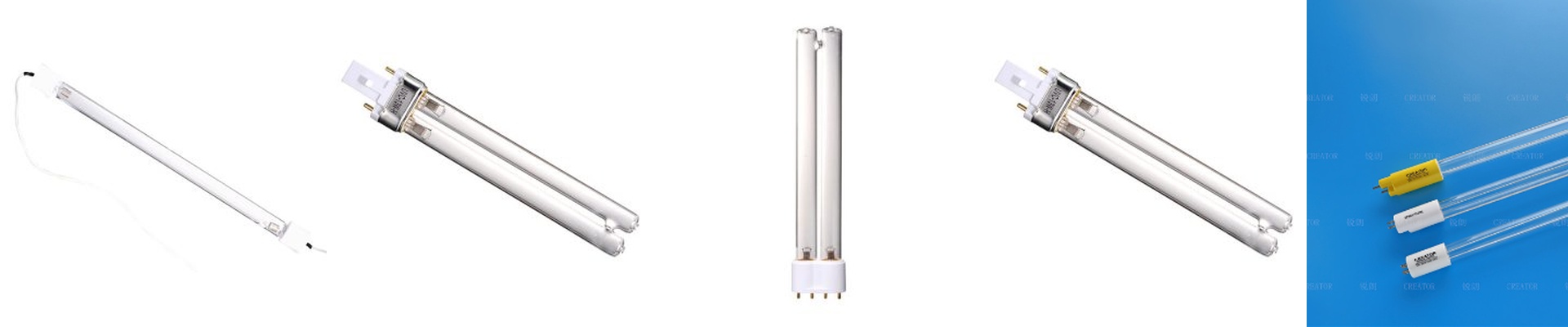
Making UV Germicidal Systems Actually Last
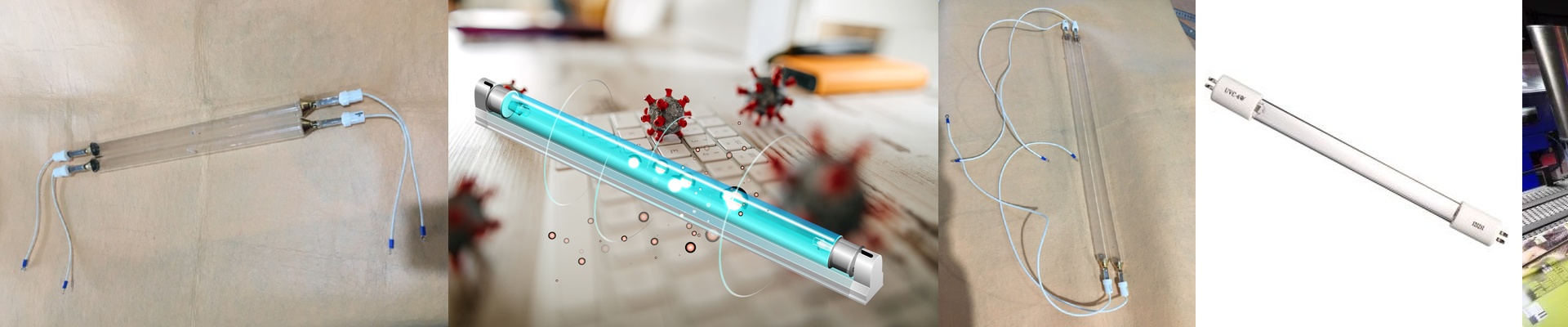
Let’s be honest: nobody likes swapping out UV lamps every few months. It’s a chore, it’s wasteful, and frankly, it’s a pain in the neck. That’s why we’re changing how we build these things. We’re moving away from that “replace it soon” cycle and focusing on lamps that just… stay on. The goal is a production line that doesn’t leave a mess behind. We’ve stripped out the nasty hazardous materials and tweaked the gas mix inside the tubes so they don’t burn out before their time.
The Nitty-Gritty on Output
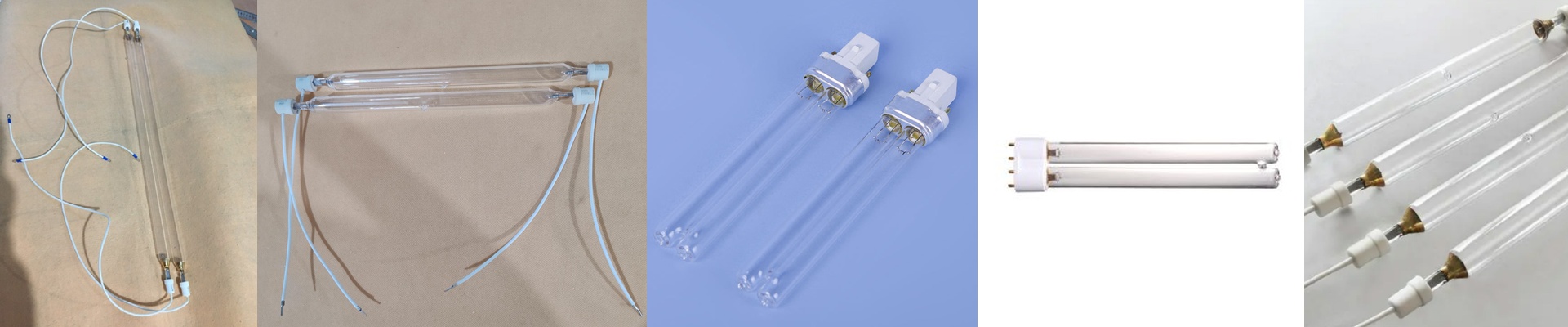
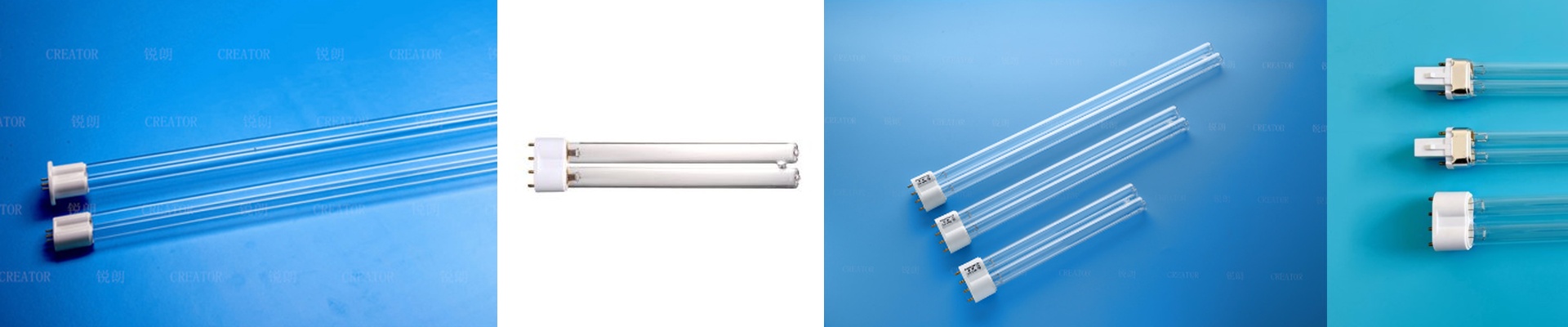
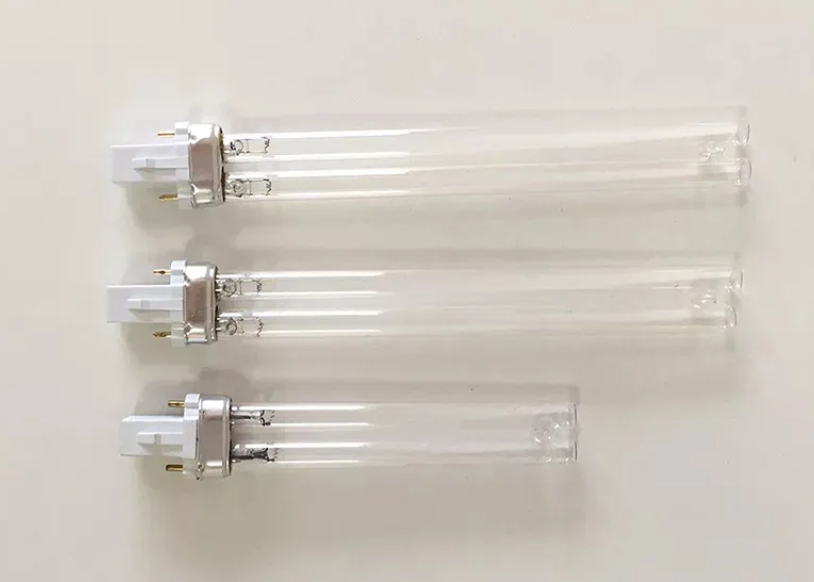
Most of these industrial UV-C lamps hit that 254nm sweet spot to kill off microbes. But here’s the trick: it’s all about the balance between the wattage and the length of the tube. If you cram too much power into a short tube, it gets way too hot. And if your ballast isn’t dialed in for the exact startup voltage? You’re going to stress the electrodes. Those voltage spikes during ignition are silent killers—they’ll eat through your lamp’s lifespan before you even realize it.
Built to Last (and Be Kind to the Planet)
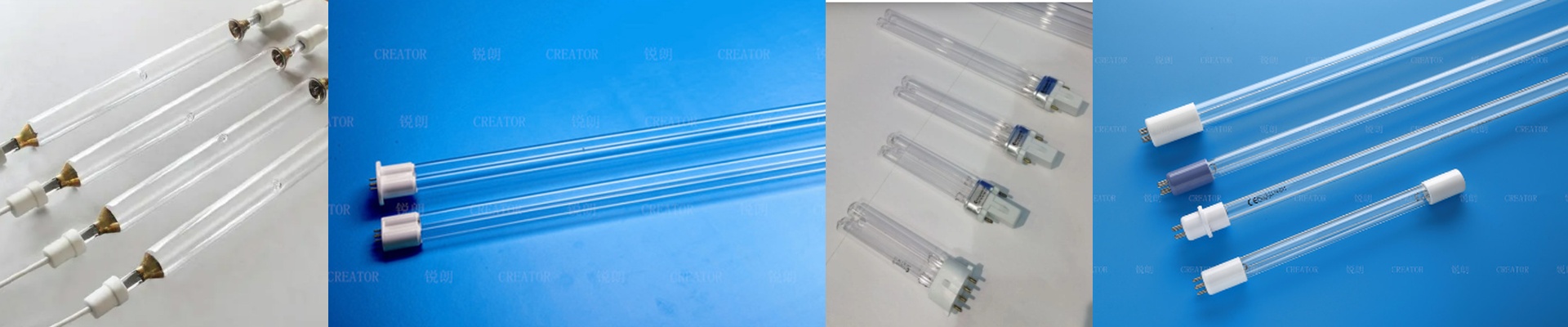
We switched to high-purity synthetic quartz for the outer sleeve. Why? Because standard glass can “solarize,” which is a fancy way of saying it turns brown and blocks the UV light. Plus, by cleaning up the materials, we’ve stopped the worry of mercury leaks when it’s time to toss a lamp. We also beefed up the end-cap seals. They can take a real beating now, even in those shaky, high-vibration environments where things usually rattle apart.
The Trade-offs You Need to Know
Here’s the deal: a long-life lamp saves you a ton of maintenance time, but it’s a bit pickier about power. If your grid is jumpy, the lamp will flicker, and that wears down the cathode. Do yourself a favor and use electronic ballasts. They keep the arc steady, whereas magnetic ones are just too clunky. And if you’re wiring these into a big sterilization tunnel, keep an eye on the heat. UV-C output actually drops when the tube gets too hot. It sounds backwards, but it’s true. Keep those cooling fans humming. If the air gets stagnant and the temperature climbs, your photon output dips, and your sterilization might actually fail. Just keep it cool, and you’re golden.