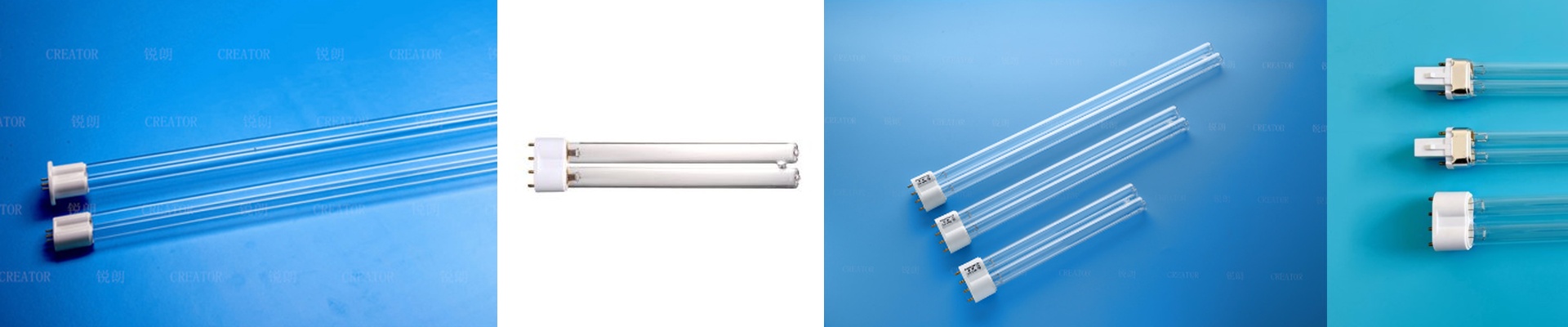
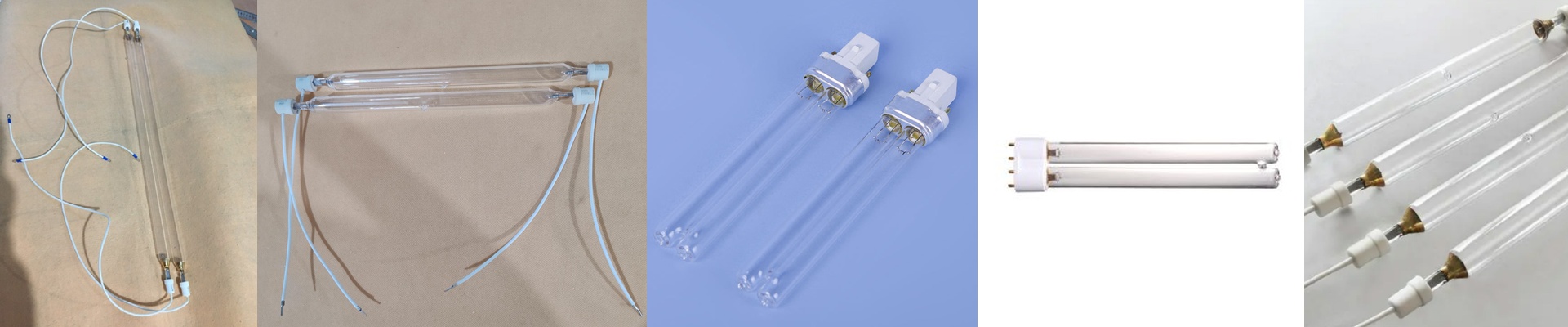
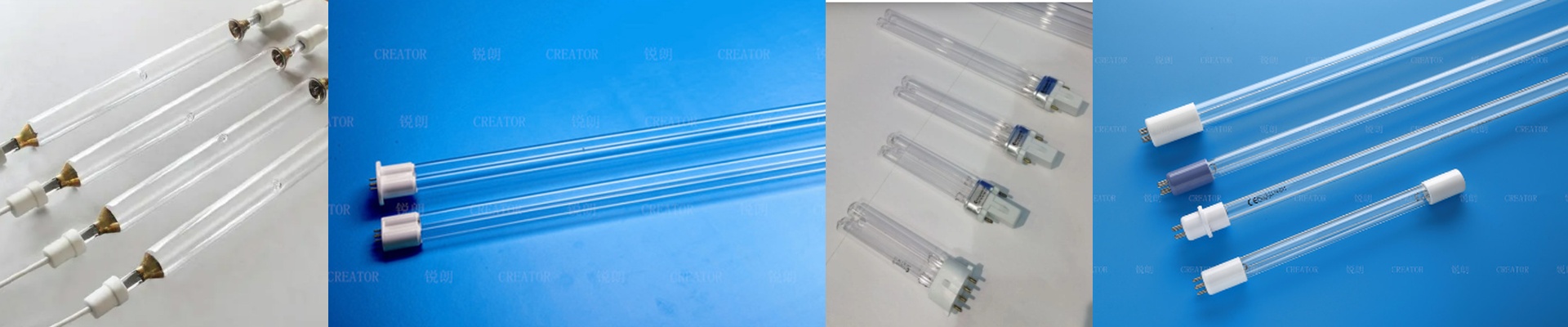
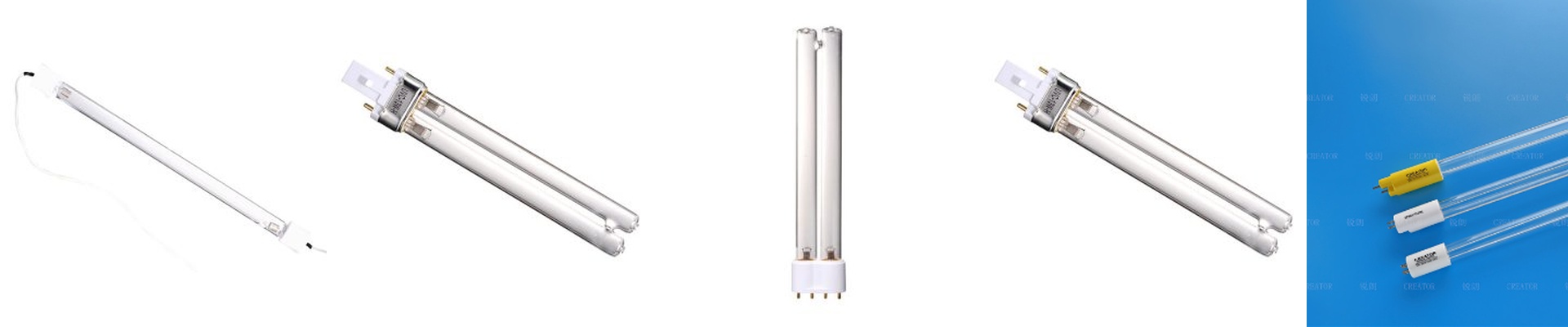
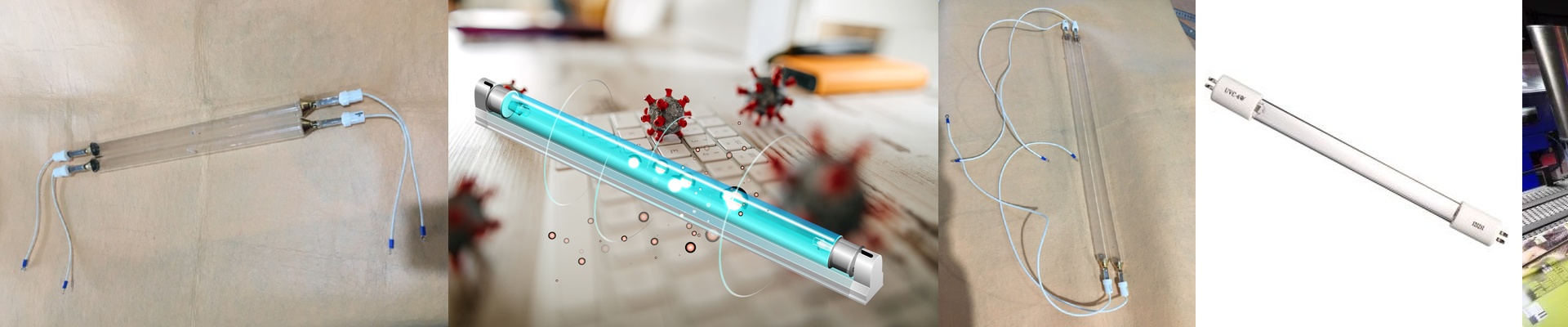
On the floor, a brand is only as strong as the lamp under it. If your private-label UV system has to deliver consistent disinfection, the OEM you pick is the one setting your reliability. We build submersible UV germicidal lamps for wholesalers who want to own the spec, not just the logo.
What matters underwater
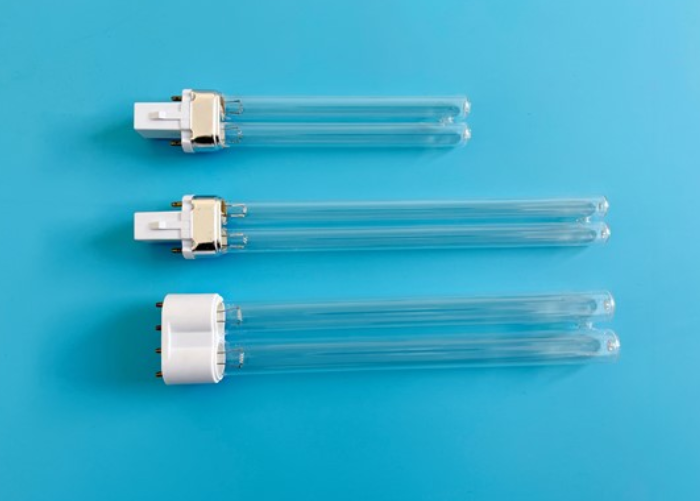
Submersible work means the seal has to hold and the discharge has to stay stable. We run low-pressure mercury vapor, tuned for a dominant 254nm germicidal line with controlled output. Peak irradiance is set for water and surface exposure, and ozone-free quartz keeps secondary contamination out of the equation. Power is matched to chamber geometry, and the arc length is chosen to keep uniformity across the treated zone. You can count on stable output over 9,000 hours, and end-of-life is defined by output decay, not a sudden burnout.
Why this works for OEM
OEM and brand authorization come down to repeatability. You get a lamp that drops into existing fixtures with predictable thermal behavior and repeatable spectral output. That means fewer field failures, lower service calls, and a brand you can stand behind. The submersible build handles continuous immersion, and the output profile keeps microbial reduction consistent from batch to batch. For wholesalers, that translates to fewer callbacks and a reputation that holds up in water treatment and sanitation.
The shop-floor checklist
Match the lamp to the chamber, not the other way around. Before you deploy, verify water flow rate, sleeve material compatibility, and power supply constraints. Submersible lamps run hot at the arc, so make sure cooling is adequate and never start them dry. Output is sensitive to voltage stability, and reflector condition directly affects delivered dose. Plan for periodic radiometer verification, and write warranty terms around real-world operating hours, not marketing claims.