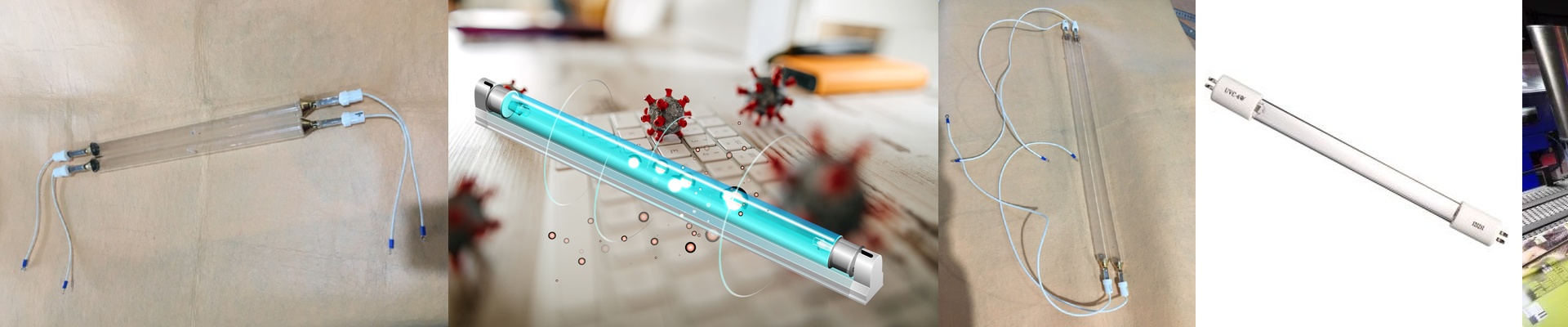
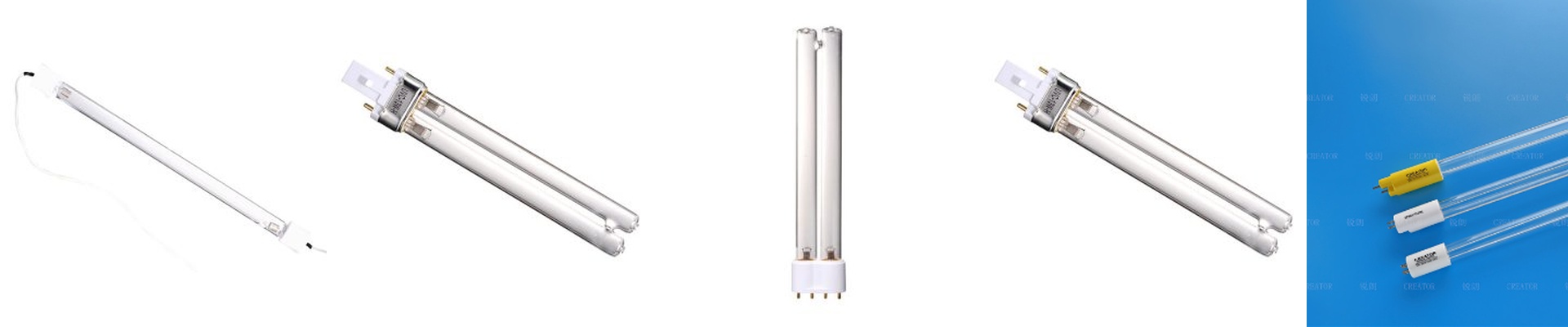
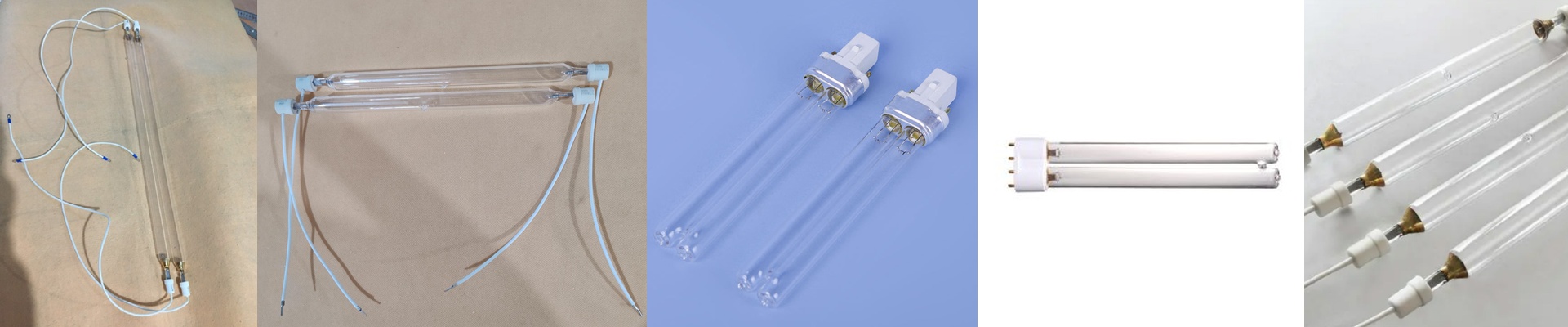
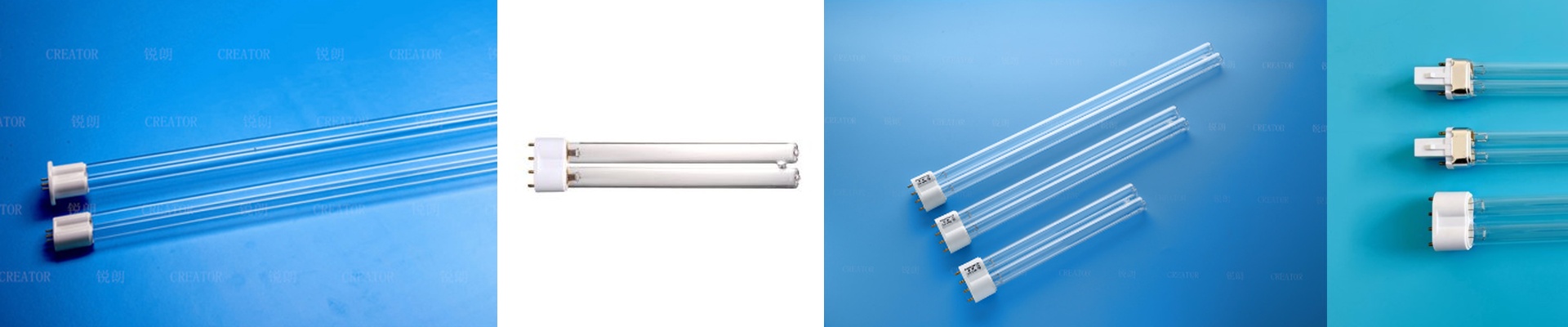
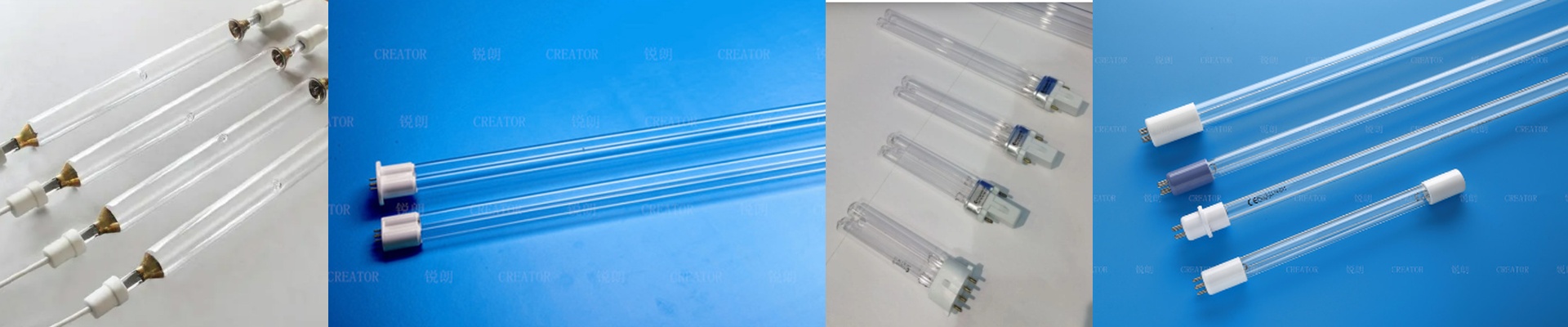
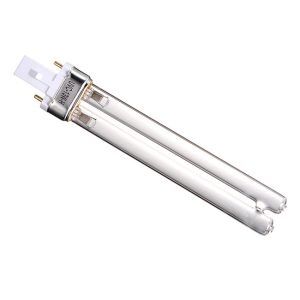
On the press floor, a fingerprint on the quartz sleeve isn’t just a smudge. It’s an invisible fault line in your UV system. Skin oils and hydrocarbons soak up UV energy, bake onto the surface, and create hot spots. Spectral output goes uneven. The payoff is exactly what you’d expect: incomplete cross-linking, weak adhesion, and a lamp that dies early—measured as a real drop in irradiance. If you’re after stable cure depth and color that holds, clean quartz isn’t a nice-to-have. It’s the starting point. We build our UV curing lamps around physics that repeats, shift after shift. The quartz envelope is chosen for high UV transmission and thermal stability. Pair that with a mercury vapor fill tuned to a tight spec, and a reflector with a dichroic coating, and you get stable spectral output across the 365nm to 385nm band. Peak irradiance stays put across the curing window. These units run long with low decay—5,000+ hours is routine, with less than 5% output drop. The spectral curve holds steady, so photoinitiators cure the same way every time. That matters when you’re running UV offset, flexo, or screen with thin films and fast line speeds. Stable intensity means fewer rejects from under-cure. Consistent spectral output keeps color matches where they need to be, shift to shift. Energy use stays flat because the lamp isn’t chasing photoinitiator sensitivity, and you cut downtime by stretching replacement intervals. **Installation note: never touch the quartz with bare fingers.**Use gloves and lint-free isopropyl wipes. Even a trace of oil localizes heat and accelerates devitrification. Check that arc length, reflector alignment, and cooling airflow match your press spec. Mismatched cooling shortens lamp life and drifts output. Measure irradiance at the substrate plane with a spectral radiometer, then lock in the process window.