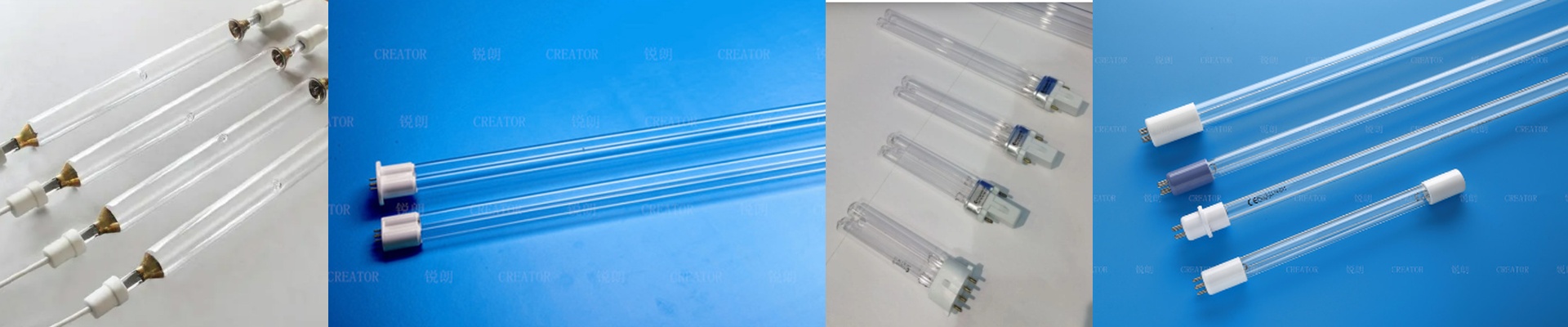
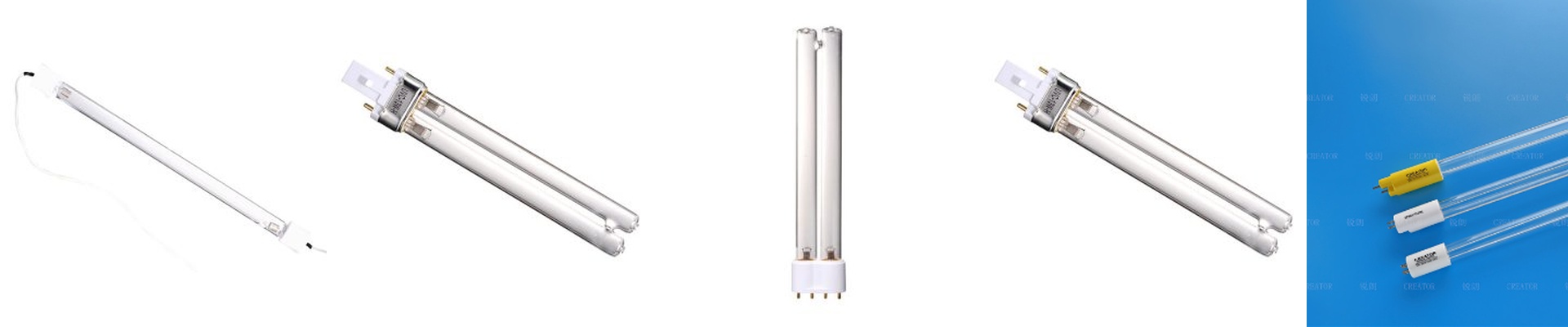
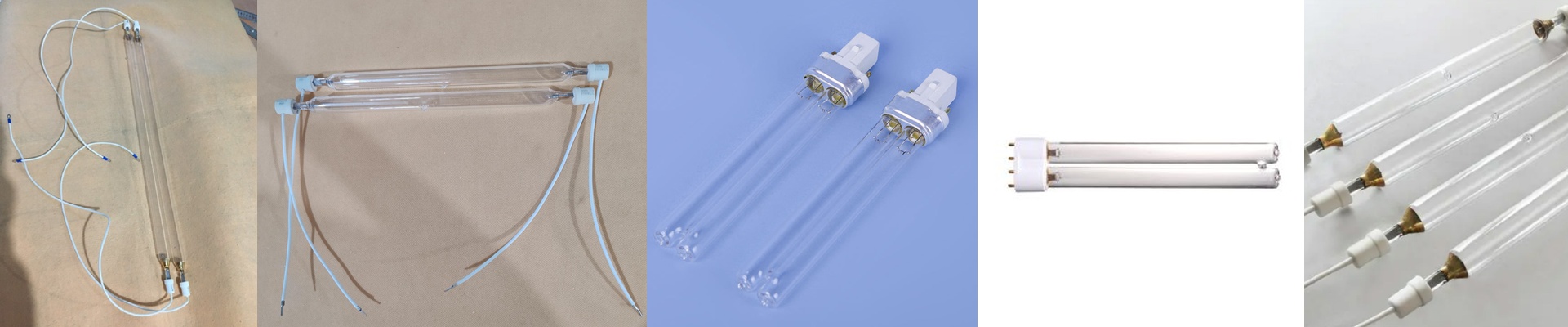
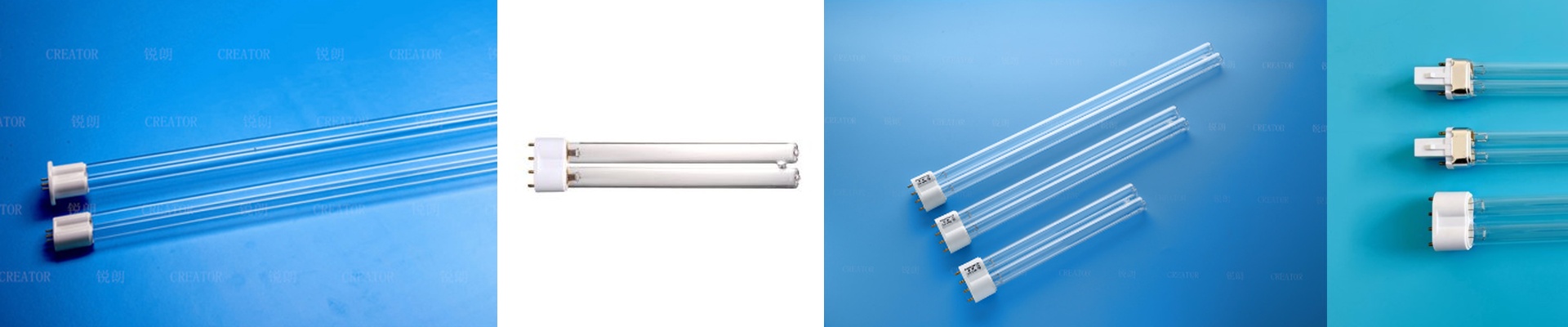
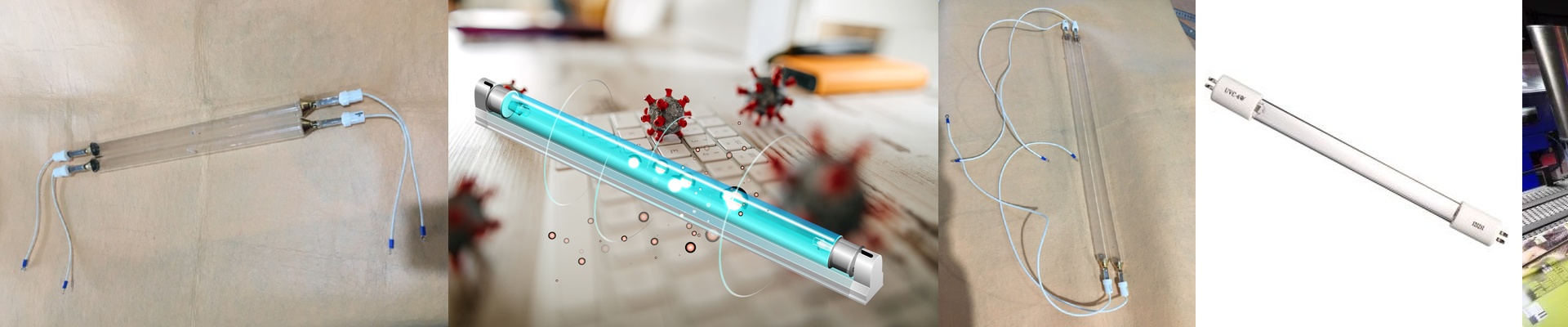
On the pad and screen floor, color drift isn’t a “looks off” problem. It’s scrap, rework, and your schedule sliding sideways. Most of the time, it starts the same way: the lamp’s spectral output doesn’t line up with the ink’s photoinitiator absorption. When the lamp dumps energy outside the ink’s peak absorption band, the cure never finishes the way it should. You end up with residual surface tack, and the pigment-binder distribution shifts. The visible result is metamerism and density that drifts across the run. What actually matters is spectral precision and delivered energy. We build our UV curing lamps for adhesives and overprint varnishes around high-pressure mercury vapor arc tubes, with dichroic reflectors and ozone-free quartz envelopes. They hold stable peak irradiance at 365nm or 385nm. We hold output stability within ±2% over the warm-up window, and we measure curing energy density in mJ/cm² at the substrate plane. That repeatability is what keeps cross-linking consistent shot after shot—so the ink film cures the same way, regardless of batch or where it’s running on the machine. Here’s the part that holds up in real production: it’s physics, but it has to work on the floor. Pad and screen jobs run tight tolerances. Even a small under-cure changes dot gain and gloss, and the color reads wrong under daylight and QC booth lighting. When wavelength matches the photoinitiator profile, activation stays stable. The first print and the thousandth print hold the same color. We’ve run lamps past 5,000 hours with less than 5% output drop. That means fewer lamp changes, consistent energy density, and a lower total cost of ownership. A few things to keep straight, because they make or break performance. Lamp performance comes down to reflector geometry and power supply regulation. Check your fixture’s reflector focal distance and the distance to the cure window—misalignment kills irradiance fast. Match the spectral output to your ink supplier’s photoinitiator curve. Many standard systems run 365nm; formulations tuned for longer wavelengths often run 385nm. Plan for warm-up. Spectral stability takes time, so schedule a short warm-up before color-critical jobs. And keep substrate temperature in check. UV cure is photochemical, not thermal. Overheating can distort thin films and shift apparent color.