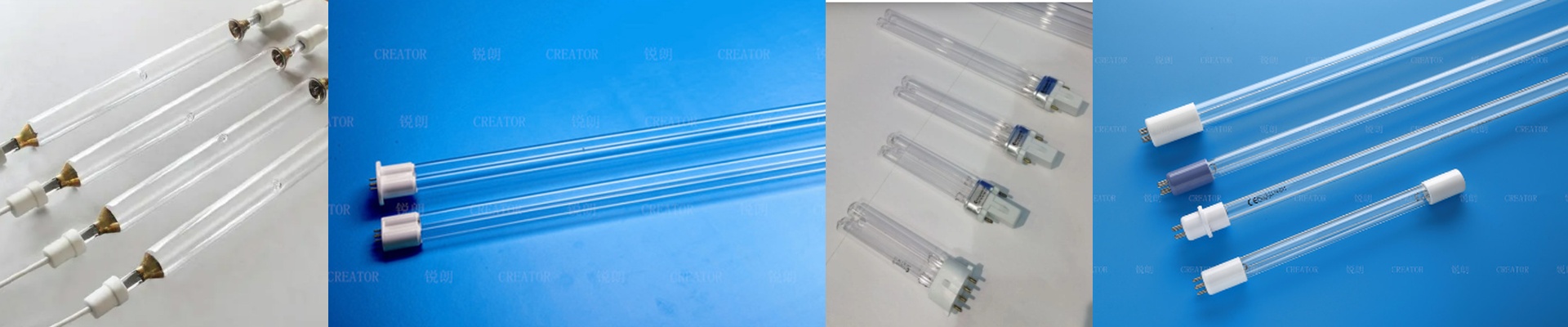
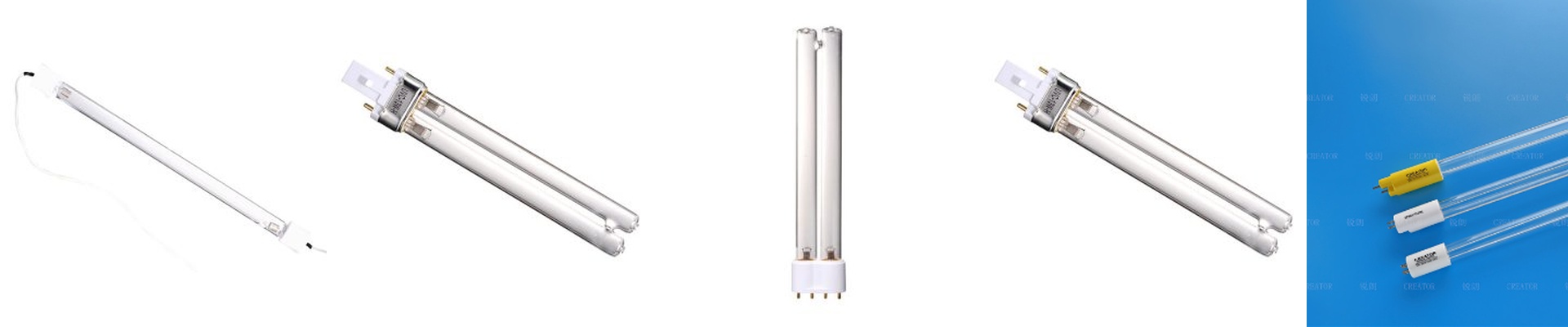
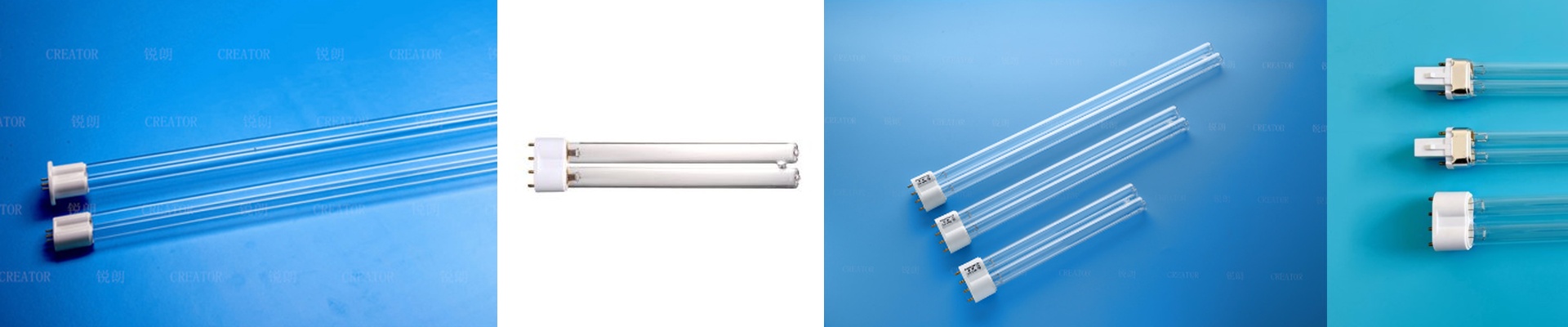
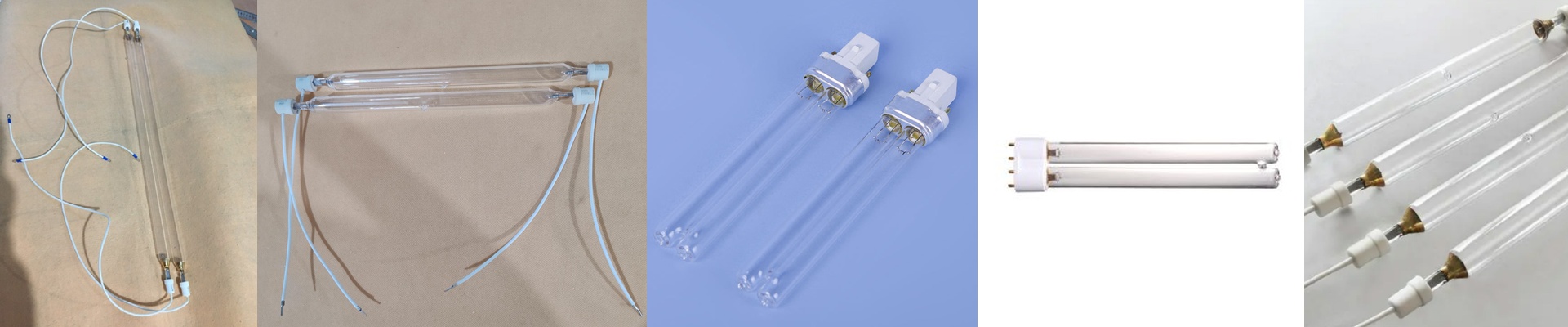
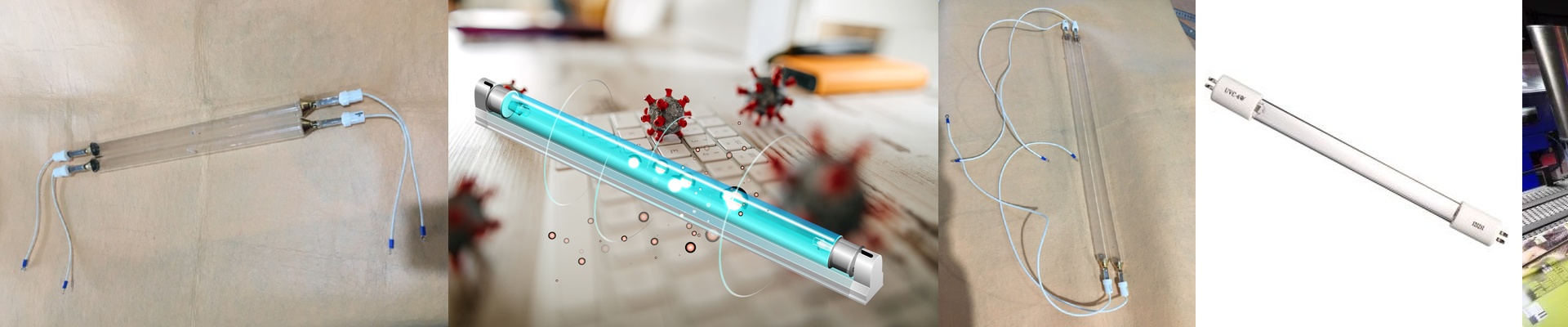
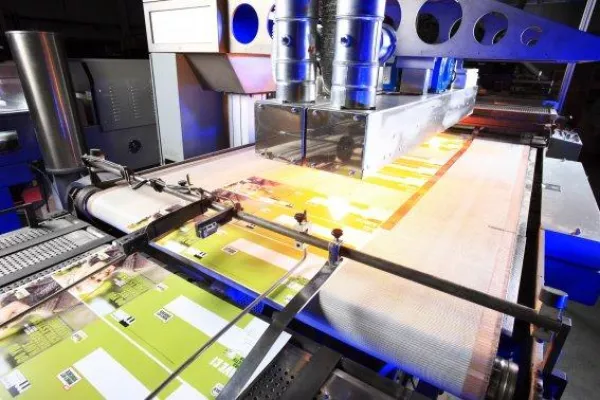
On the floor, “spray-and-dry” in screen doesn’t mean a thing unless your UV lamp hits full spectral output in milliseconds. If the lamp is slow to warm or short on irradiance, the line stalls: ink stays tacky, inter-coat adhesion falls apart, and registration starts to drift. Nine times out of ten, the bottleneck isn’t the ink—it’s the curing system’s response time and energy density. Here’s the technical heart of it: it’s all about the photochemical match. We build our UV germicidal and curing bulbs around high-pressure mercury vapor discharge, tuned for fast arc stabilization. Peak irradiance at 365 nm is what drives photoinitiator cleavage, while the balanced output across 315–405 nm supports both surface cure and the depth you need for through-cure. A dichroic-coated quartz envelope pushes forward efficiency, so in our standard configurations you’re seeing >800 mW/cm² peak irradiance at the substrate plane. You can count on dose repeatability within ±3% across the print width, and stable output over 5,000+ hours with less than 5% degradation. And why does this work in practice? High-response lamps cut out the dwell delays, so you can run continuous production without stopping for “dry time.” That translates into higher throughput, fewer rejects, and lower specific energy consumption per part because the lamp spends less time idling. Swap-in is straightforward too—arc length, base mounting, and the connector interface are matched to common screen-printing UV lines, so you’re back up in minutes. One practical heads-up: these lamps pack serious optical power density. Install with verified interlocks and get the reflector alignment right, and keep the substrate path fixed so the working distance stays where it was designed to be. Temperature control matters—run the airflow and cooling as specified. Overheating shortens lamp life and pushes the spectral curve off. And if ventilation is tight, go with ozone-free variants.