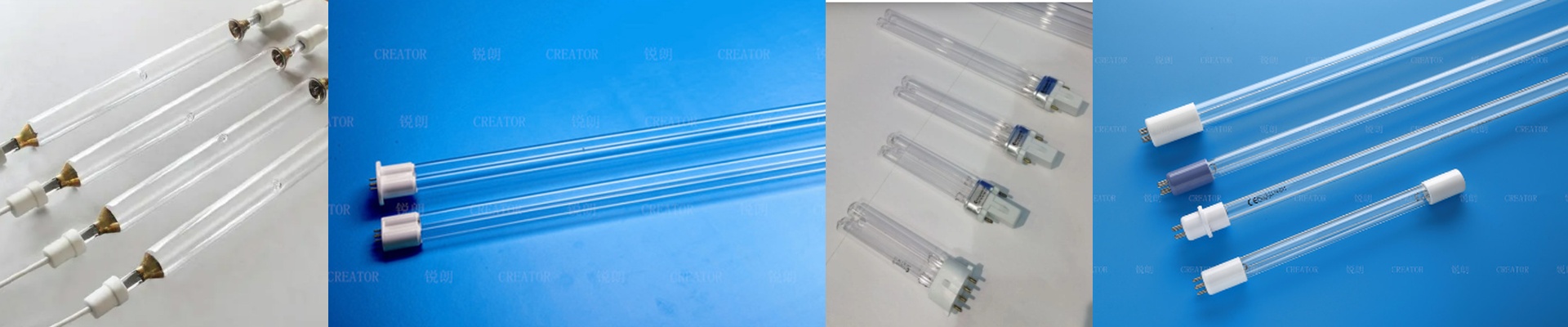
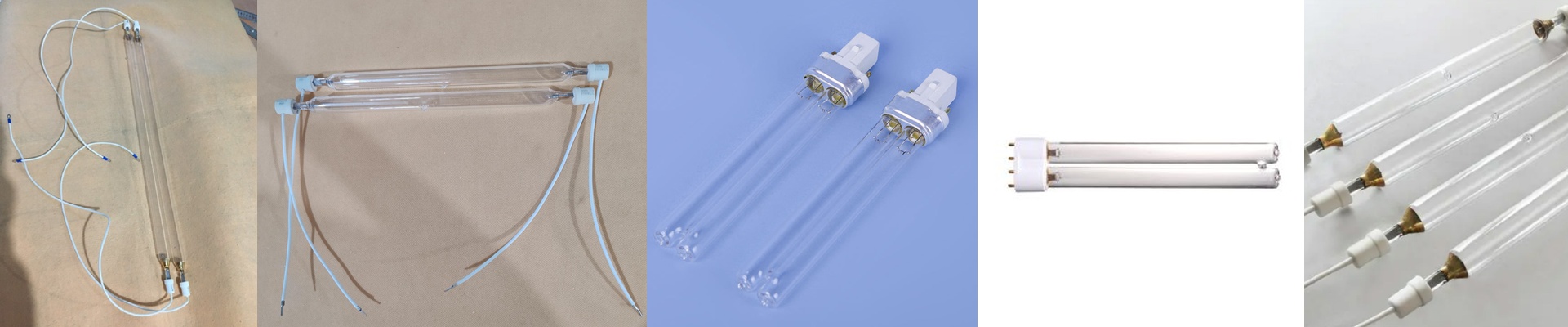
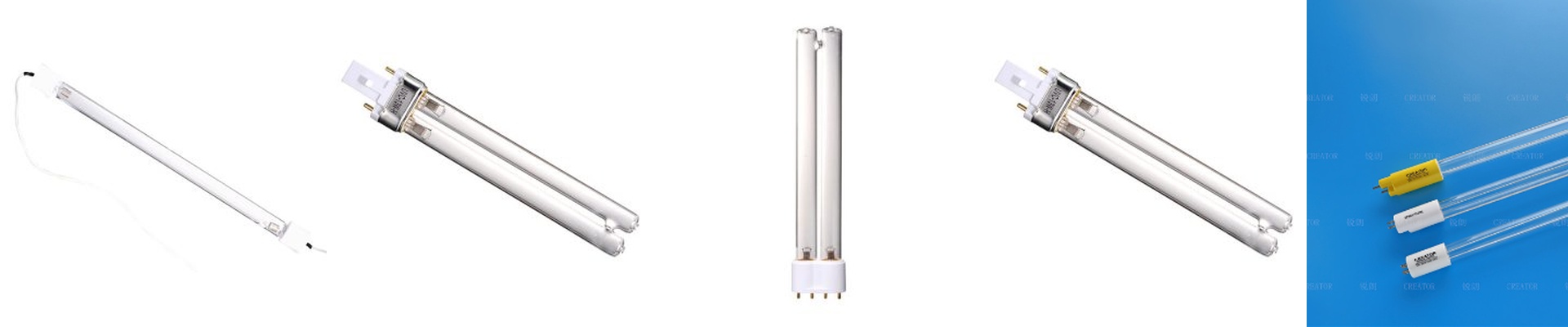
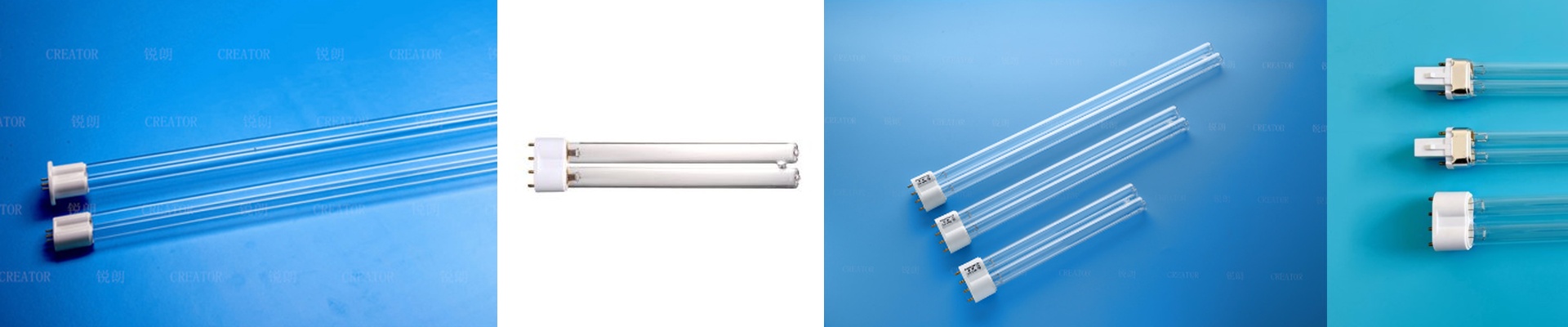
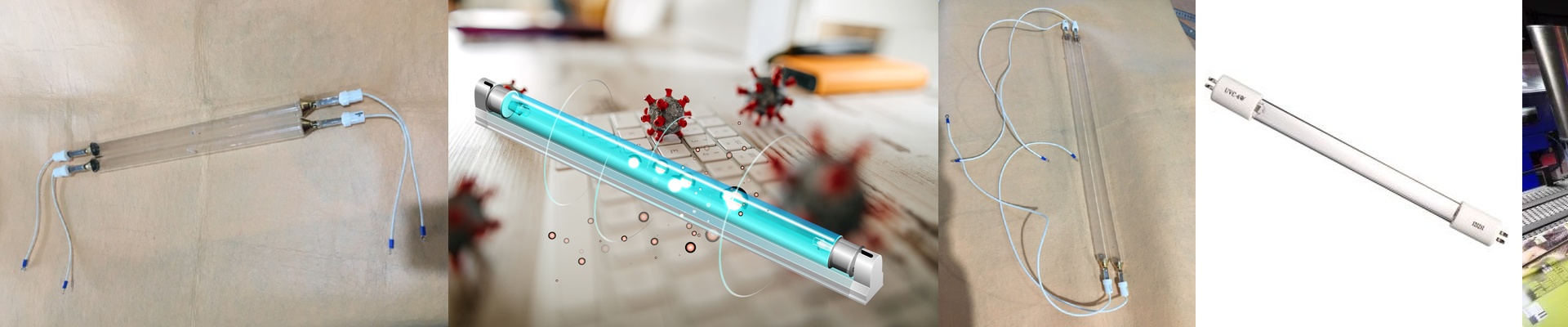
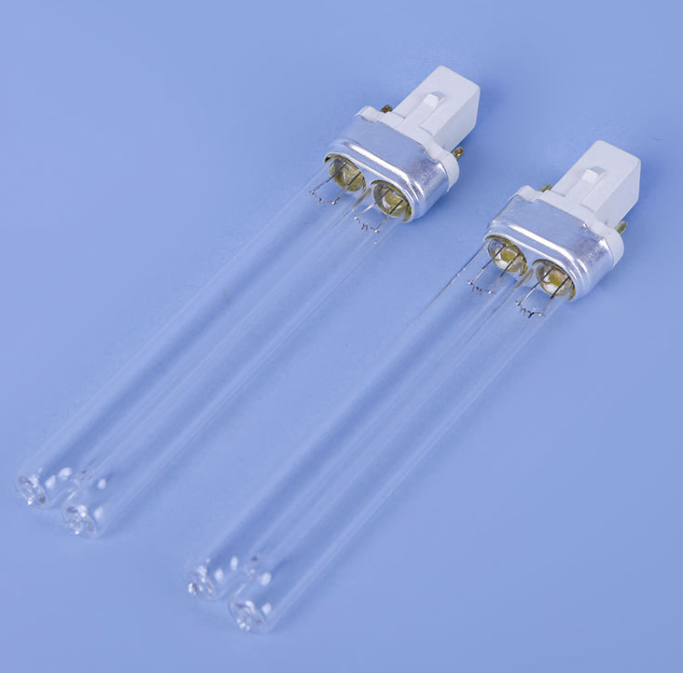
On a web line pushing 200 meters per minute, UV output drift isn’t a theoretical worry. It shows up as uncured adhesive on speaker gaskets, adhesion failure on mounting brackets, and scrap that rework won’t fix. If your lamp can’t hold spectral stability under load, you’re running the whole process on thin ice. What matters under the hood We build the UV curing lamp around the 365 nm mercury vapor line, because that’s where a lot of adhesives and coatings in speaker assembly give you repeatable cross-linking. Peak irradiance is specified at the arc plane, not at some idealized distance, since photoinitiator activation comes down to delivered photon flux. The reflector uses a dichroic coating to bounce UV while passing visible and IR, which cuts substrate heating and keeps the energy density window stable. Output is measured and controlled against a spectral radiometer traceable standard, and we keep curing energy density consistent across the full lamp length. Why this works at line speed At 200 m/min, dwell time is tight, so the lamp has to deliver high intensity without the dips that come from voltage swings, aging electrodes, or sloppy thermal management. We hold stable output across the web width, so gaskets, bond lines, and coatings cure evenly—without over-curing heat-sensitive parts. The payoff is fewer rejects, less adhesive waste, and line speed you can plan around. Energy use drops because we match intensity to the required dose, not by oversizing the lamp. What to watch for High-intensity UV lamps throw off heat, and web stability depends on how you handle it. The lamp needs the right cooling flow, orientation, and shielding to keep plastic parts from warping and to hold the reflector temperature in its designed window. Accept that lamp life is finite; output drifts as electrodes erode. Set a preventive replacement schedule based on recorded irradiance and dose data, not a calendar date.