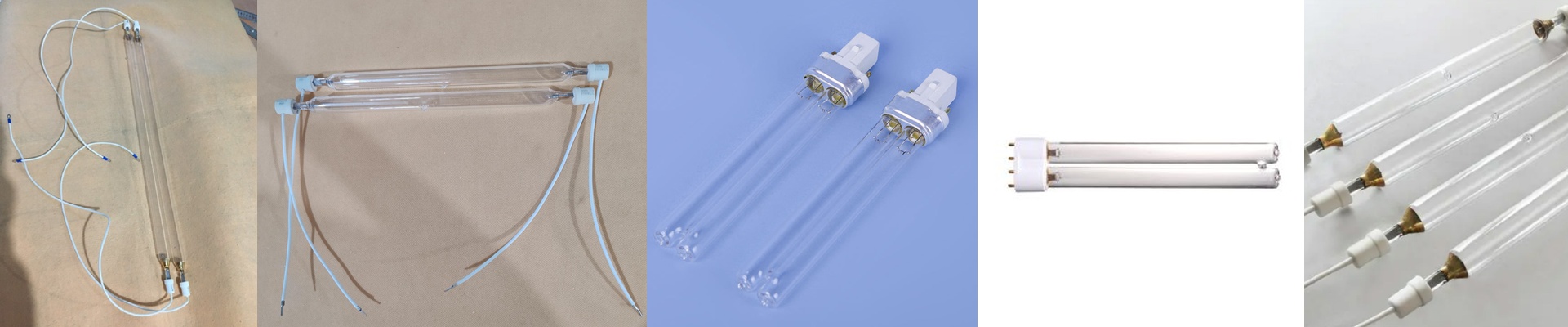
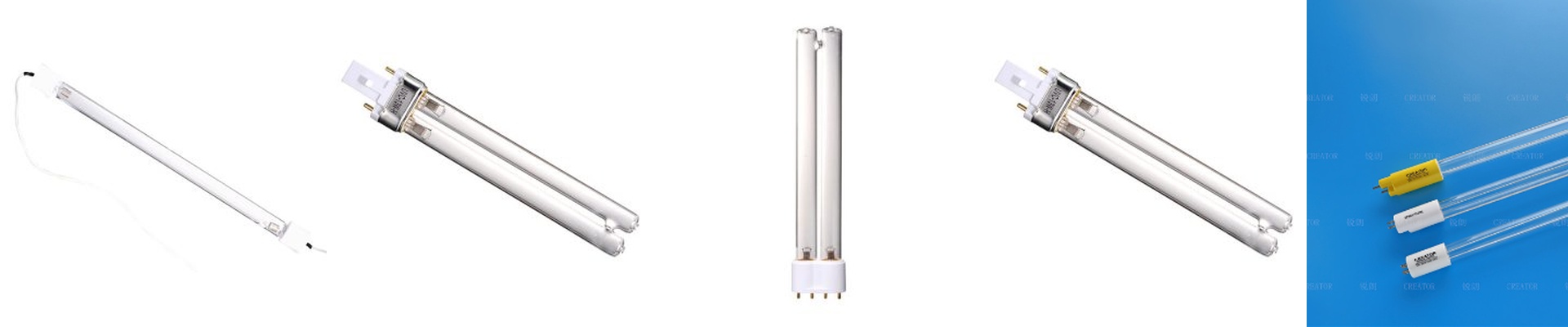
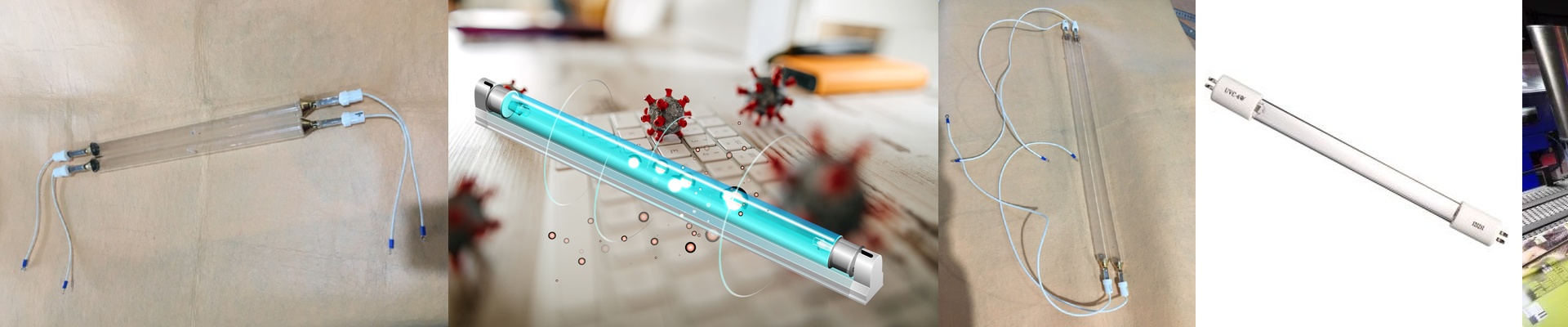
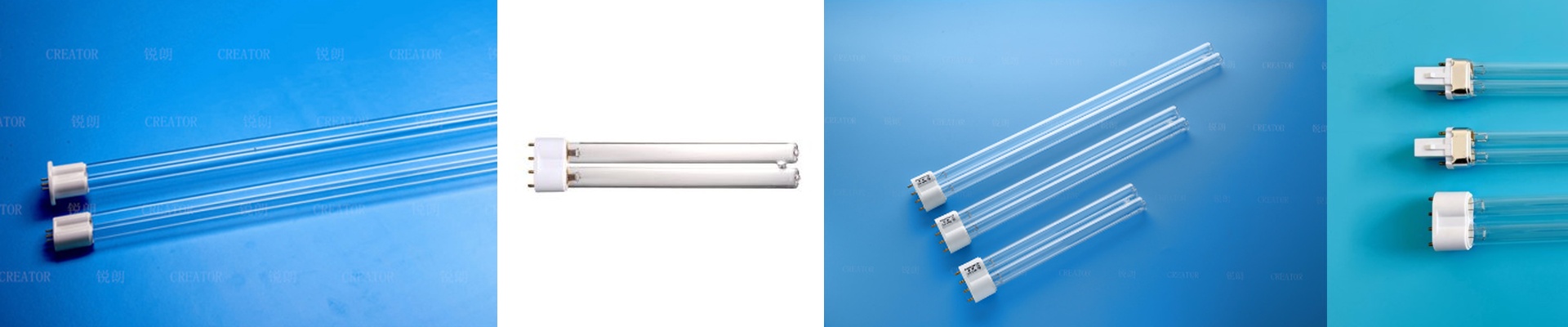
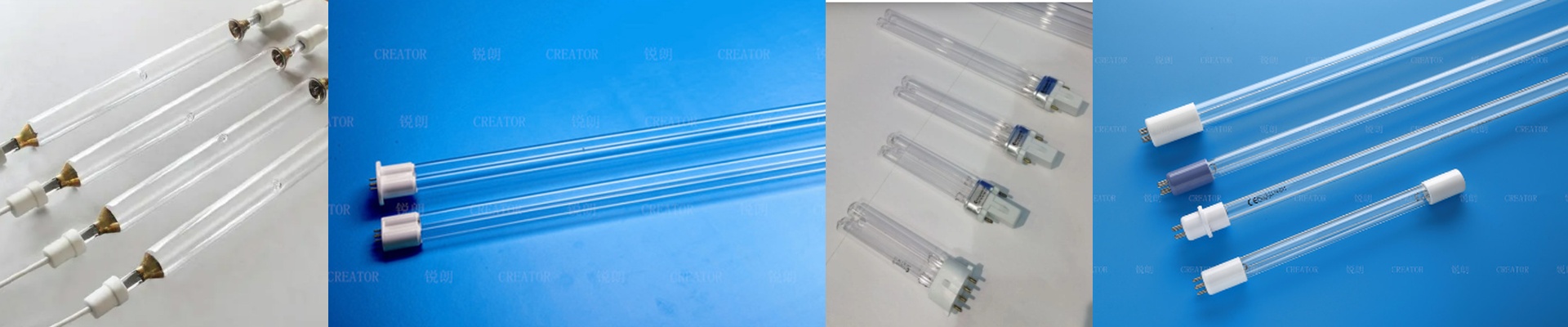
Out on the press, thick-layer offset jobs fall apart when the UV never makes it through to the bottom. You get surface-only curing, and uncured photoinitiator gets trapped in the base. That’s what causes adhesion to go south, blocking, and that off-spec smell. The answer isn’t just cranking peak irradiance—it’s penetration. What actually matters under the hood When we set up a UV lamp for offset, we’re focused on spectral output and depth of cure. A high-pressure mercury vapor lamp, tuned with dichroic reflectors, holds a stable output across 365 nm to 395 nm—right on the absorption bands of the common photoinitiators. That spectrum drives efficient photolysis, then cross-linking through the full ink film. The lamp puts high energy density across the cure window, but keeps peak irradiance in check so you don’t scorch the surface while still pushing the reaction through thick layers. Output stays stable for 3,000 hours, with minimal spectral shift. Why it sticks on thick work Thick-layer offset stacks up the microns—often 20 to 60 or more. In that range, penetration is the bottleneck. With the right spectral match and enough dose, the photoinitiator reaction runs clean from the substrate interface all the way to the top surface in one pass. You get full cross-linking, better adhesion, and immediate handling downstream without blocking. And because the lamp runs ozone-free, ventilation demands ease up, and sensitive materials near the cure zone stay protected. What you need to get right on install The lamp and reflector have to match the press geometry and the housing. Mismatched reflectors drop delivered dose and push operating temperature higher. Double-check lamp orientation, water-cooling flow, and power supply compatibility. Expect a warm-up period for spectral stability, and plan lamp replacement on a schedule so energy density stays consistent.