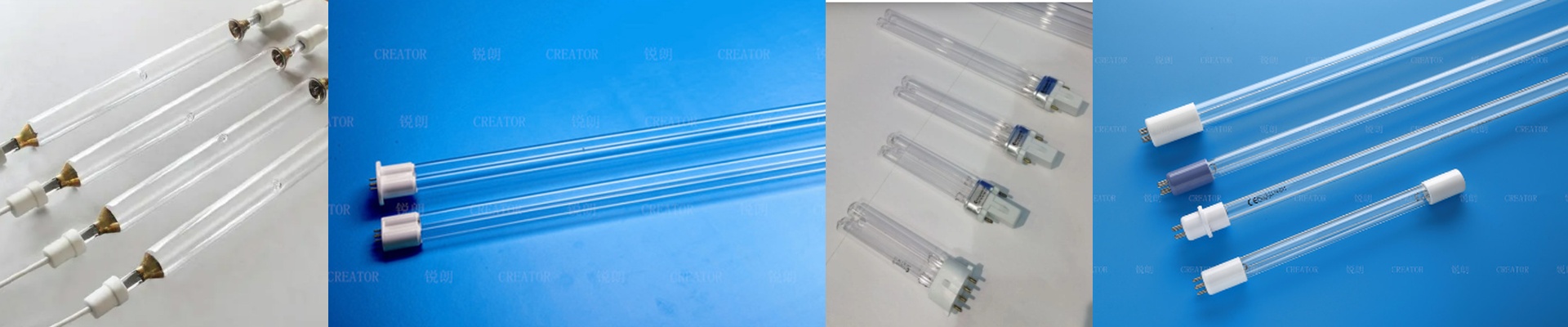
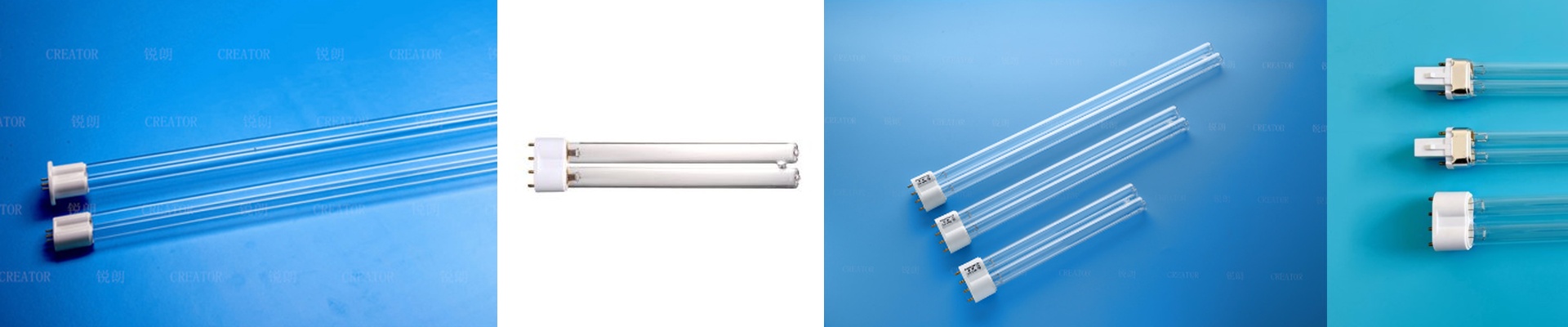
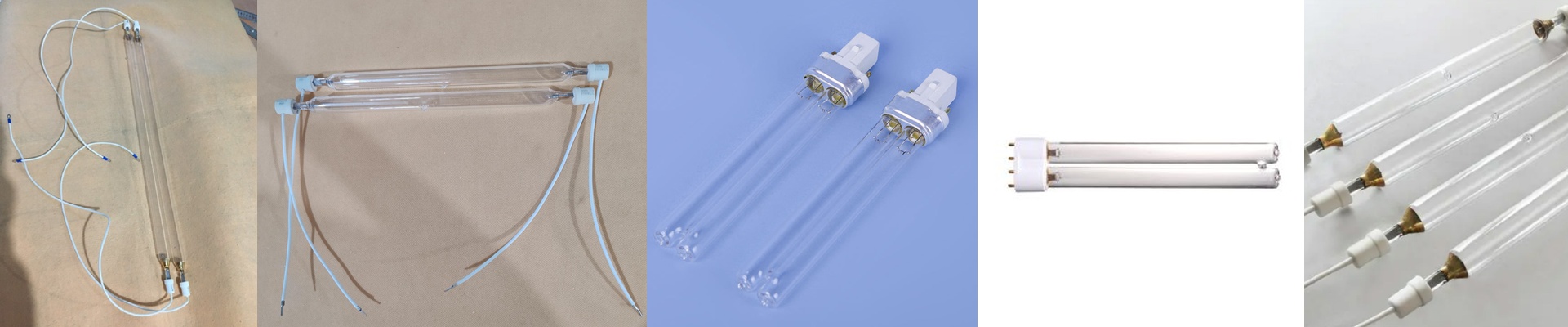
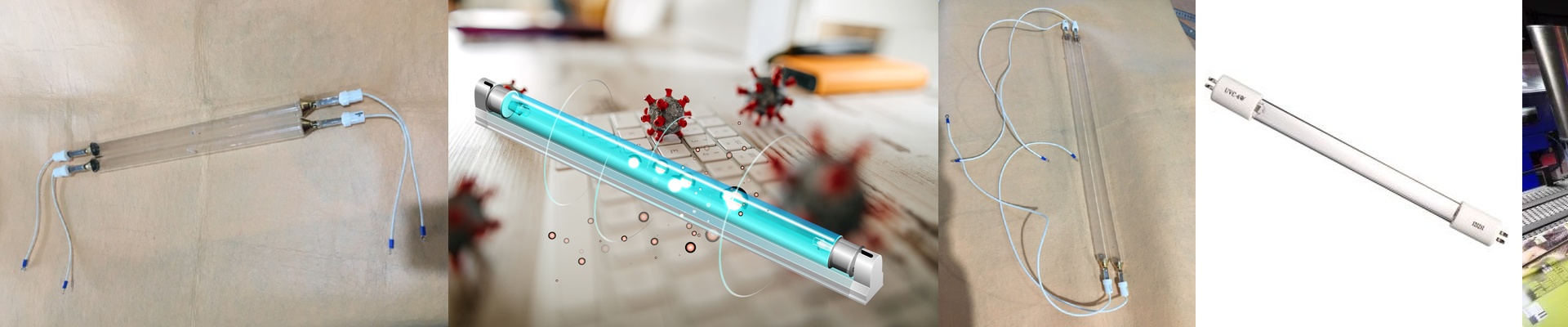
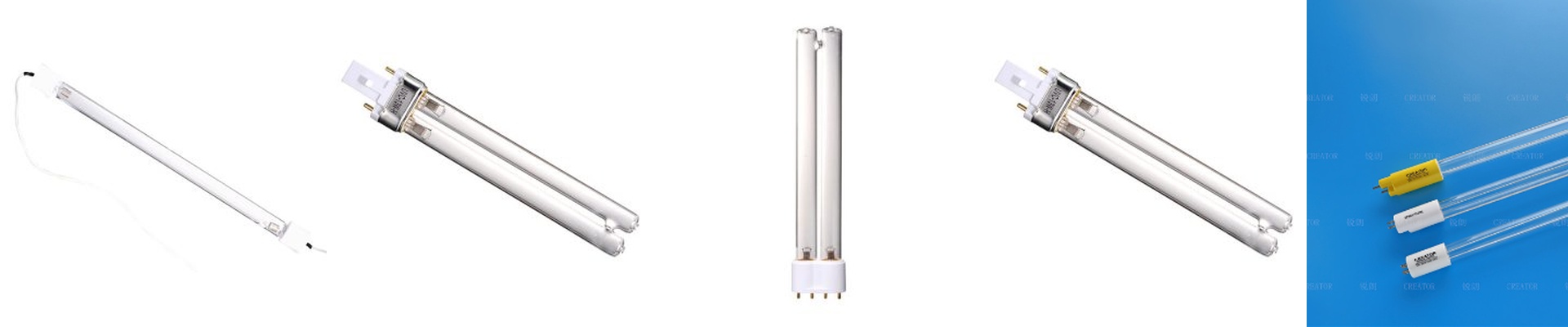
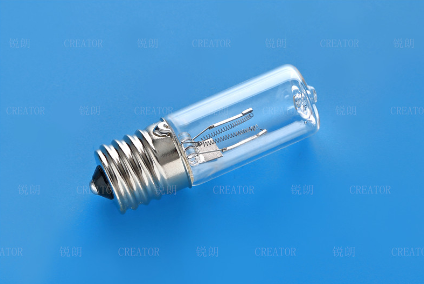
Uneven ink drying isn’t just a quality problem—it’s scrap, plain and simple. On the press, the UV lamp’s thermal profile decides whether the photoinitiator response is even across the substrate. When the heat spikes or dips, you get partial cross-linking, adhesion failure, and a pile of rejects. What matters under the hood Those UV sterilization lamp sleeves aren’t just passive covers—they shape the lamp’s spectral output and thermal footprint. For high-pressure mercury vapor lamps, we build sleeves to hold stable peak irradiance at 365 nm, which is what drives standard UV inks. The quartz keeps transmission consistent and acts as a thermal buffer, smoothing out hot spots that would warp thin films. The payoff is repeatable curing energy density across the web, instead of chasing settings that keep drifting. Why this matters on press On printing platforms, uniformity is what protects yield. Keep the lamp envelope temperature stable, and the reflector and dichroic coating perform the way they were designed. You get even cure across the full width—fewer pinholes, better scratch resistance, less scrap. Over a year of production, stable output also stretches lamp life; we routinely see 5,000+ hours with less than 5% irradiance drop, which means fewer replacements and less downtime. The details you can’t skip Sleeve fit is strictly dimensional. Match lamp diameter, arc length, and the end-cap interface exactly—even small gaps shift the thermal field and kill uniformity. If ventilation is tight, verify ozone-free operation, and confirm compatibility with your reflector geometry and shutter cycle profile. Treat the sleeve as part of the optical train—alignment and cleanliness matter as much as the lamp itself.