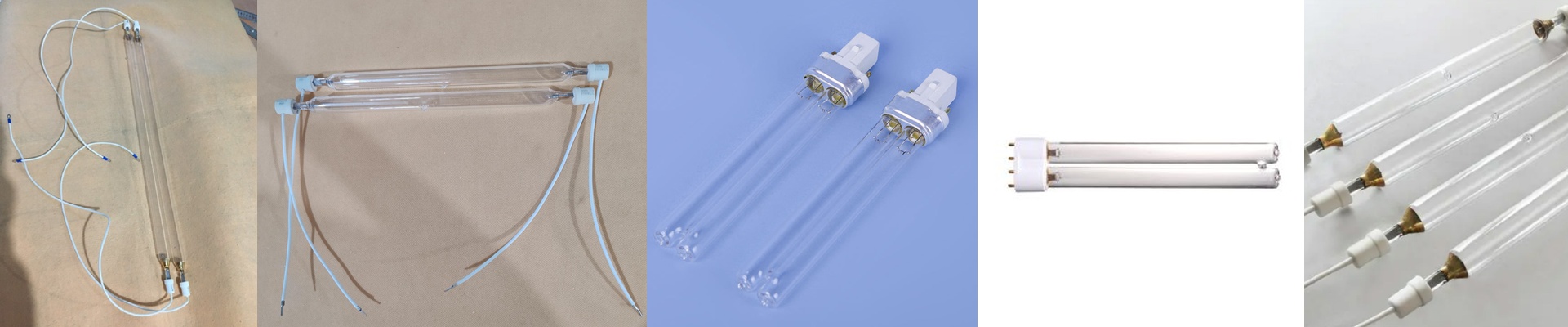
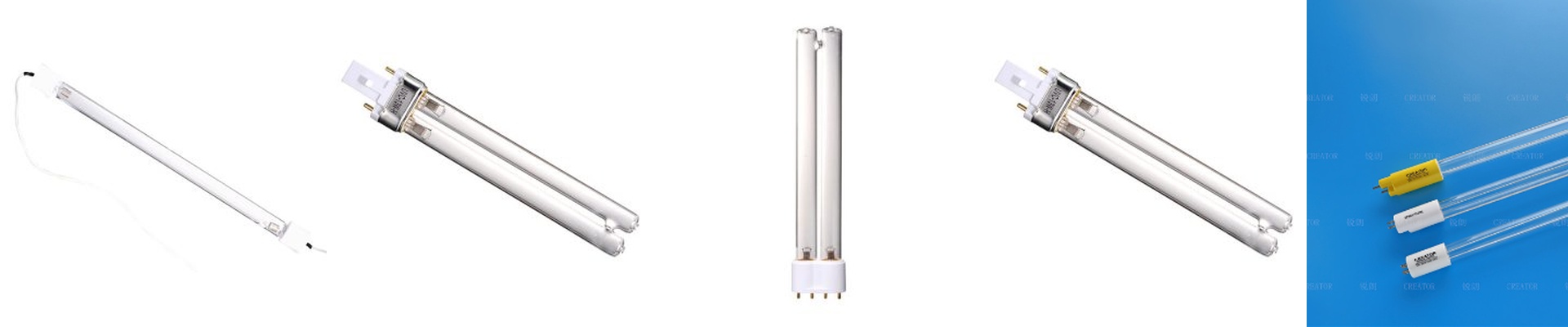
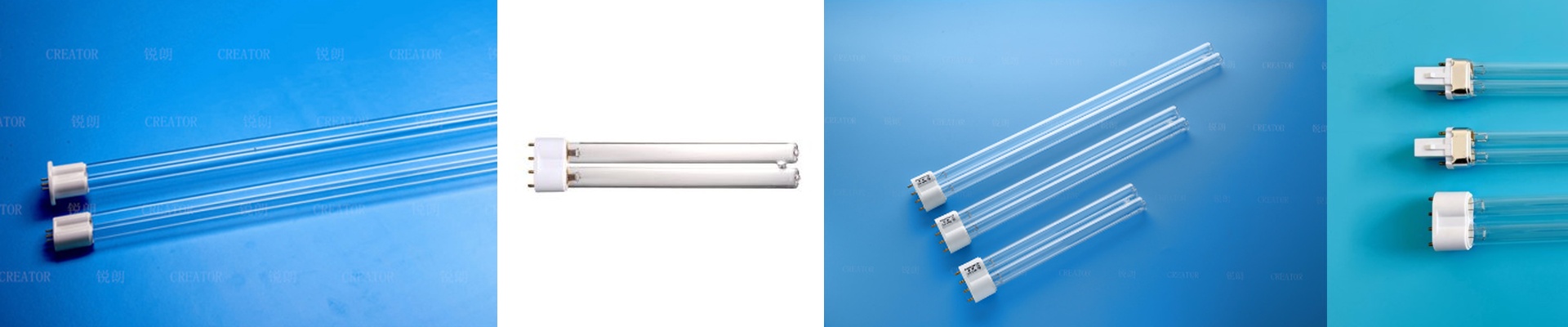
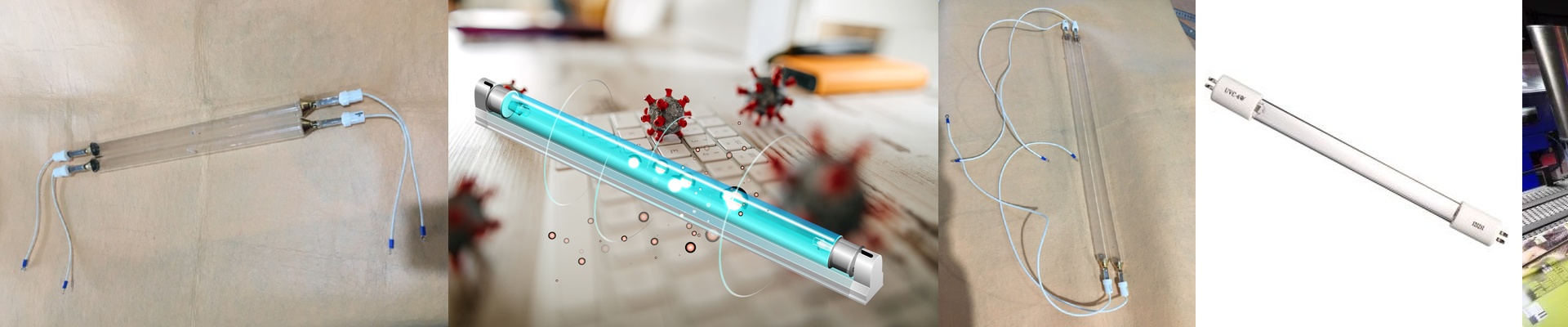
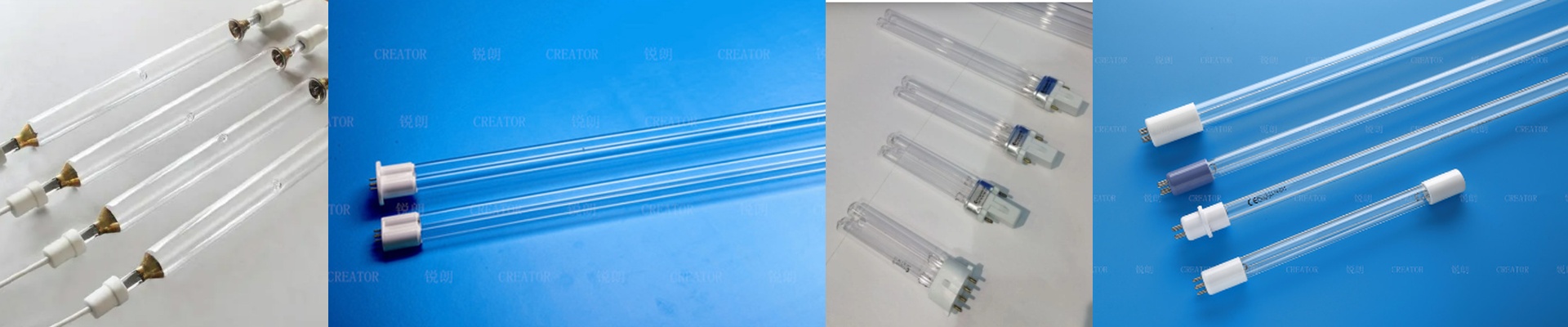
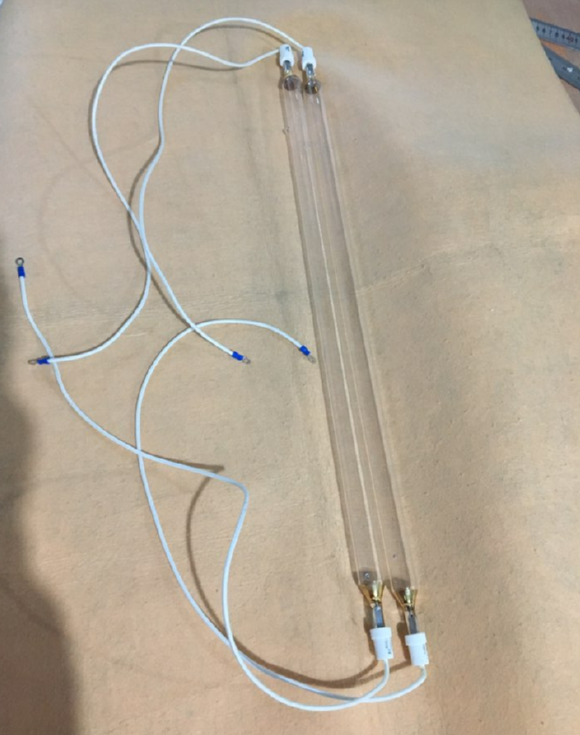
On the production line for UVC-enabled home appliances, a dip in germicidal performance isn’t a theoretical problem. It hits validation, compliance, and customer trust right where it hurts. If you’re integrating custom UVC modules into dishwashers, shoe cabinets, or sanitizing drawers, the mercury vapor lamp is the heart of the system. Forget marketing spin—what counts is spectral stability and consistent irradiance. Here’s what actually matters. We’re aiming for rock-solid 254nm output because that’s the germicidal sweet spot. Hitting it comes down to controlling electrode temperature, keeping the quartz envelope intact, and nailing reflector geometry. We treat the lamp and reflector as a matched set so peak irradiance stays where it needs to be inside the chamber, and we use ozone-free quartz to avoid secondary contamination. Expect 800–1,200 mW/cm² at the target plane, measured with a calibrated radiometer. Output decay is predictable. After 8,000 hours, you’ll see a 15–20% drop if the electrodes aren’t managed and power density isn’t held within ±2%. Appliance integration comes down to space, heat, and repeatable dosing. Our UVC modules fit tight cavities, run at 24V with EMI-shielded drivers, and handle the heat and humidity cycles that dishwashers throw at them. The lamp hits stable output fast, so cycle times are shorter. And because the lamp and driver are specified as a matched pair, you’re cutting down on service calls. Mounting matters. Keep at least 3mm clearance around the lamp surface to prevent hot spots and uneven aging. Keep the reflector clean—condensation and dust films will rob you of irradiance. Use drivers with constant power control and arc-strike protection. Without those, you’re inviting premature electrode erosion. Plan for end-of-life detection, and when output dips below the validation threshold, swap the module out. Handle with gloves. Oil residues on the quartz shorten lamp life and degrade transmission.