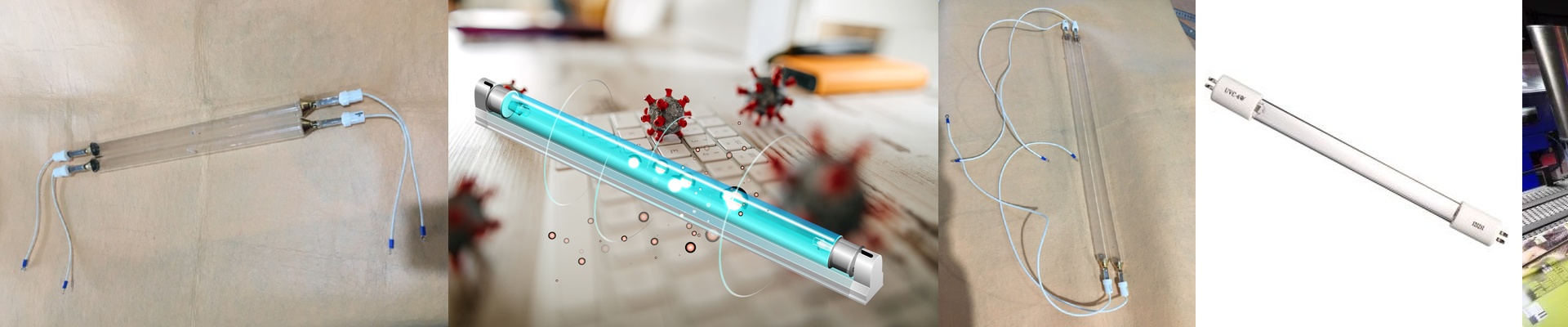
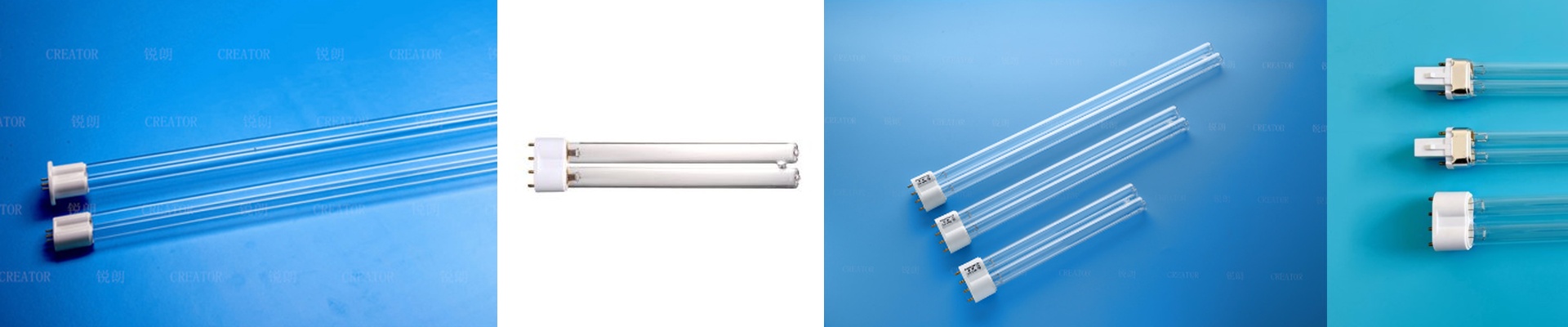
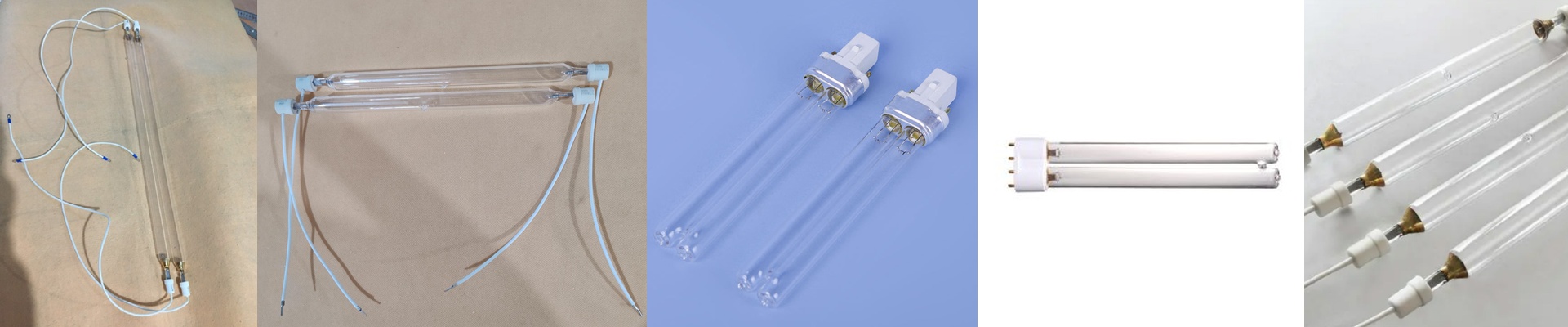
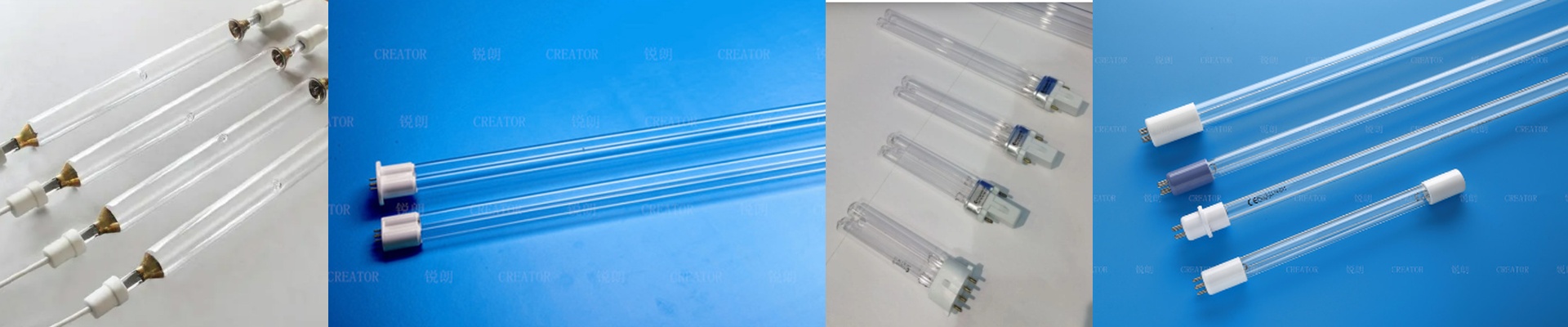
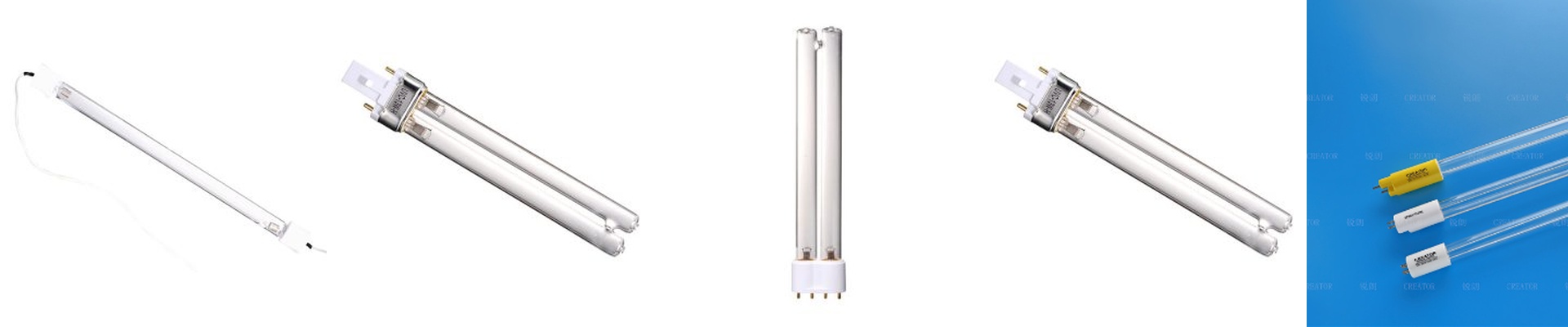
In a shop that runs heavy on dust, the reflector is where UV curing starts to fall apart. Dust coats the mirror, knocks down peak irradiance, and forces the lamp to run hotter just to hit the same energy density. And with conventional medium-pressure mercury lamps, the short-wavelength tail makes ozone. That brings oxidation and smell, and it makes ventilation and maintenance a headache. What actually matters under the hood We run a closed-reflector UV lamp with a fully sealed quartz sleeve and a reflector cavity held under positive air pressure. The geometry keeps dust off the dichroic-coated surface, so reflectivity and spectral output stay consistent. For mercury vapor lamps, we keep operation ozone-free by suppressing the 185 nm line through controlled envelope doping and by putting an ozone-destruct catalyst in the exhaust path. The payoff is stable curing at 365 nm with a controlled ozone production rate, so you can run at 600–1200 mW/cm² peak irradiance without having to chase airborne byproducts. Why this holds up in real-world conditions In dusty environments, the reflector stays clean because the sealed design blocks particulate ingress while keeping thermal coupling intact. You get steady photoinitiator activation and cross-linking, even on high-speed offset, flexo, or screen lines. Thermal management stays predictable, so substrates run cooler and your curing window opens up. Compared with open-reflector systems, you get more consistent dose delivery, longer lamp life, and fewer unplanned stops. What you need to keep straight on the floor The closed cavity needs a clean, dry supply air path and an exhaust sized right to hold pressure. Match the lamp to your cure window: mercury when you need broad spectral coverage, LED when you want narrowband stability. You’ll see a bit more initial airflow to keep the seal, but you make it back in uptime and fewer maintenance interruptions.