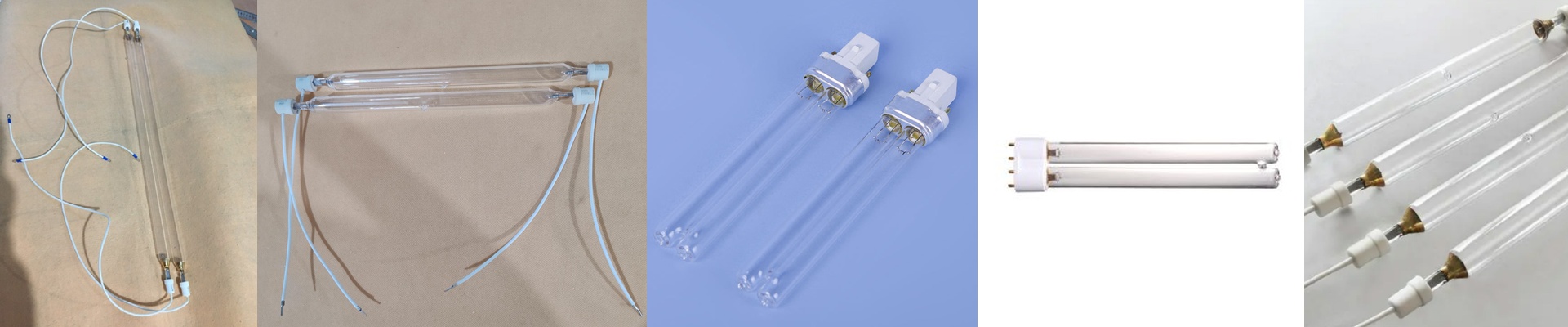
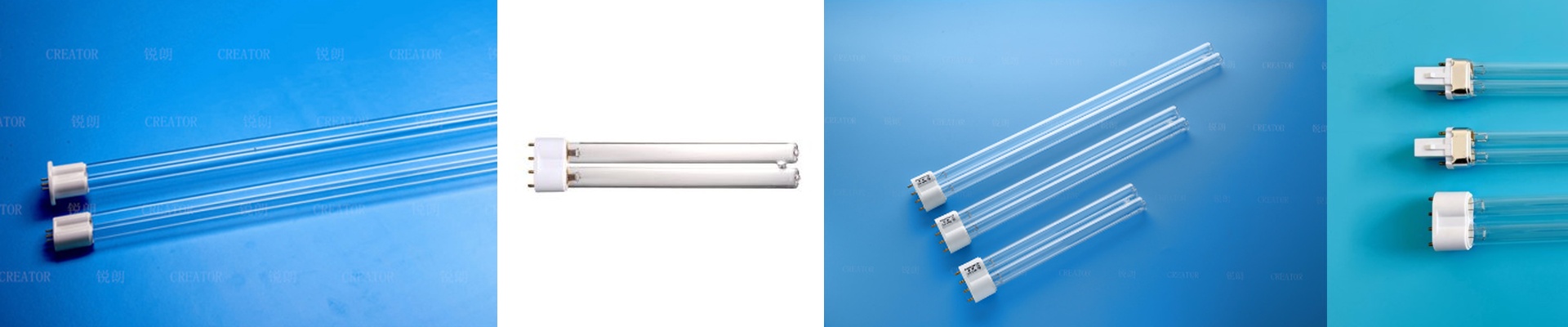
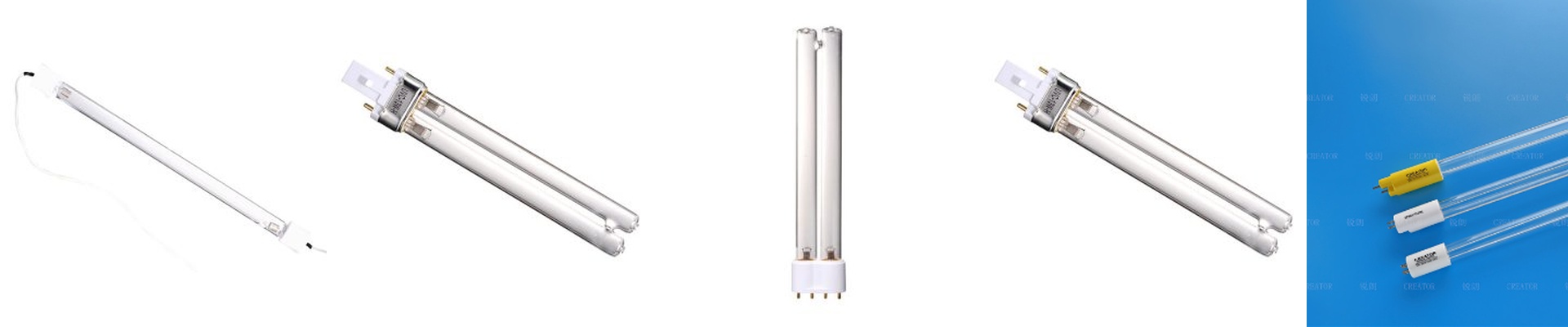
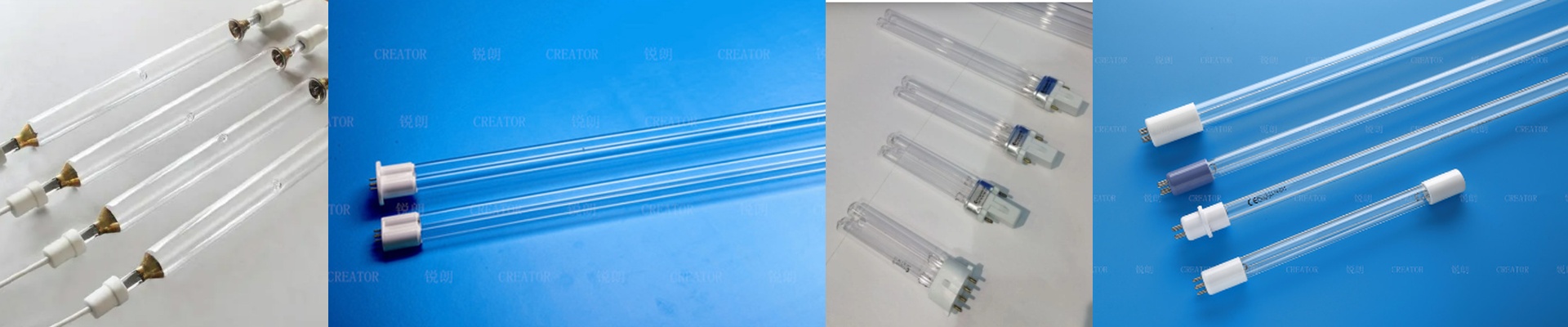
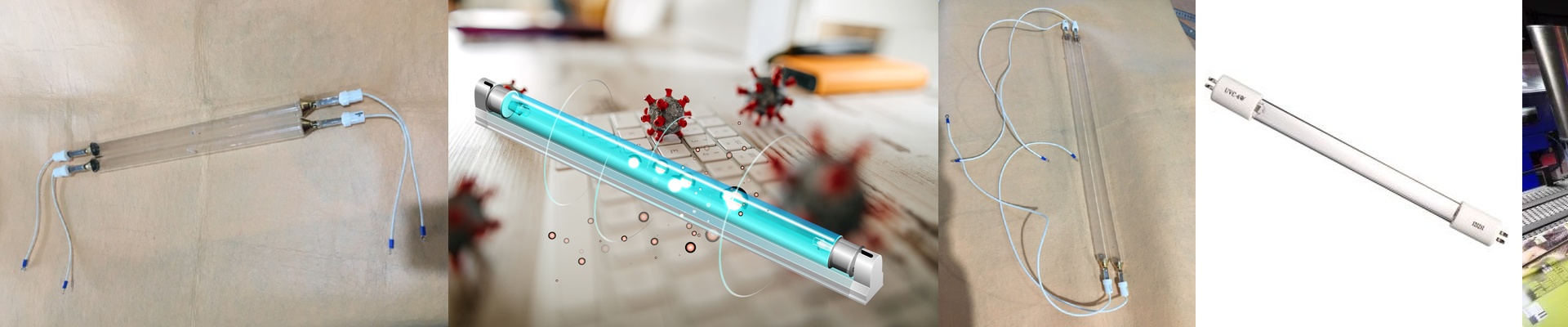
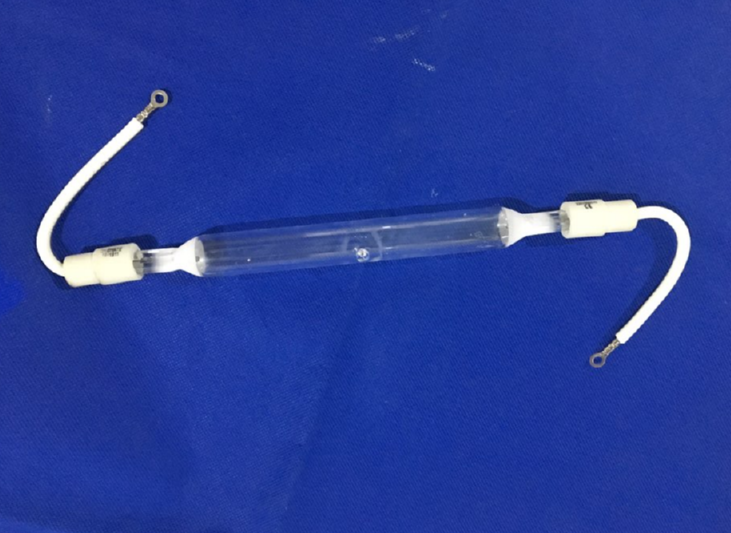
On the floor, chemical storage tanks and rinse lines eat up space and budget. Every batch of disinfectant brings residue risk, ventilation costs, and another layer of regulatory overhead. Switching to chemical-free sterilization isn’t a preference—it’s an operational necessity. Capillary UVC lamps give you a direct, engineering-grade alternative. What matters technically We build capillary UVC lamps as compact, high-output sources centered on 254nm germicidal emission, engineered for consistent dose delivery. Peak irradiance stays steady thanks to a stabilized mercury vapor discharge and a high-reflectivity quartz sleeve, so intensity is predictable along the lamp length. The capillary form factor keeps the arc path close to the target surface, concentrating dose where it’s needed and cutting wasted energy. We specify output stability against lamp life: dose repeatability holds over thousands of hours, with measured end-of-life output retained to a defined threshold. For sensitive environments, the design is ozone-free, so you don’t create secondary air-quality headaches. Why it works in real production When you replace chemical disinfectants, cycle times speed up, consumable spend drops, and effluent handling gets simpler. Capillary UVC systems deliver immediate, repeatable disinfection without residues, so you can run continuous sanitation on conveyors, in containment hoods, and at process interfaces. The payoff is measurable: lower microbial counts, fewer holds, and cleaner compliance documentation. Energy use falls because the system runs on demand—no chemical prep, no thermal rinsing steps. Here’s what you need to watch Performance comes down to line-of-sight, surface reflectivity, and shadowing. Fixtures or product geometry can throw shadows that leave under-dosed zones, so layout spacing and lamp orientation have to be validated with a radiometer during commissioning. And UVC intensity drops with distance by the inverse-square law, so keep the lamp-to-target gap within spec. Match the lamp to the fixture’s electrical interface and thermal limits. Capillary lamps are compact and run hot, so you need adequate airflow and proper mounting to keep output stable and get the service life you’re counting on.