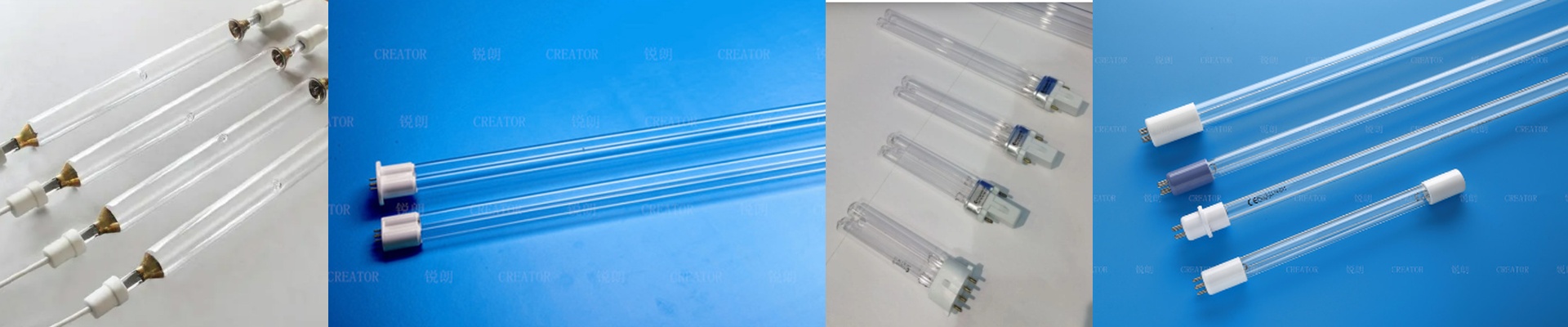
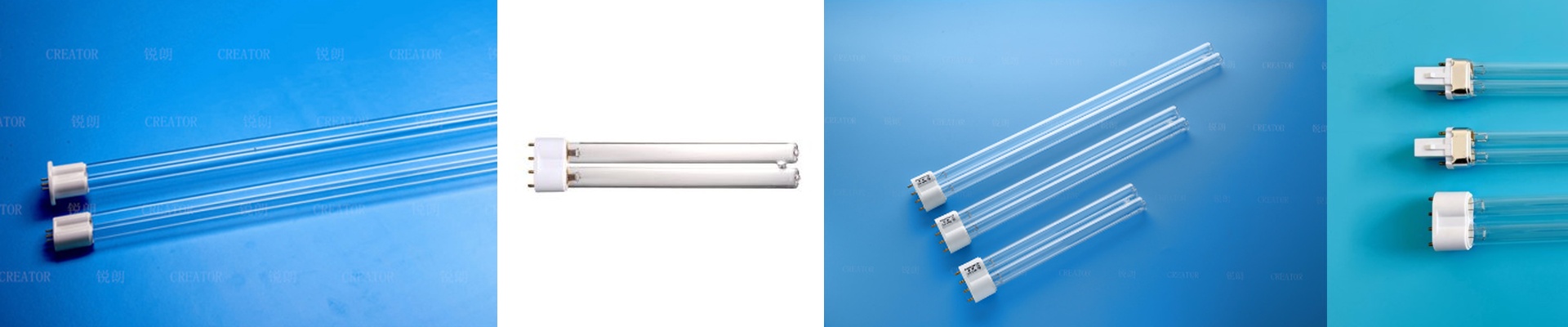
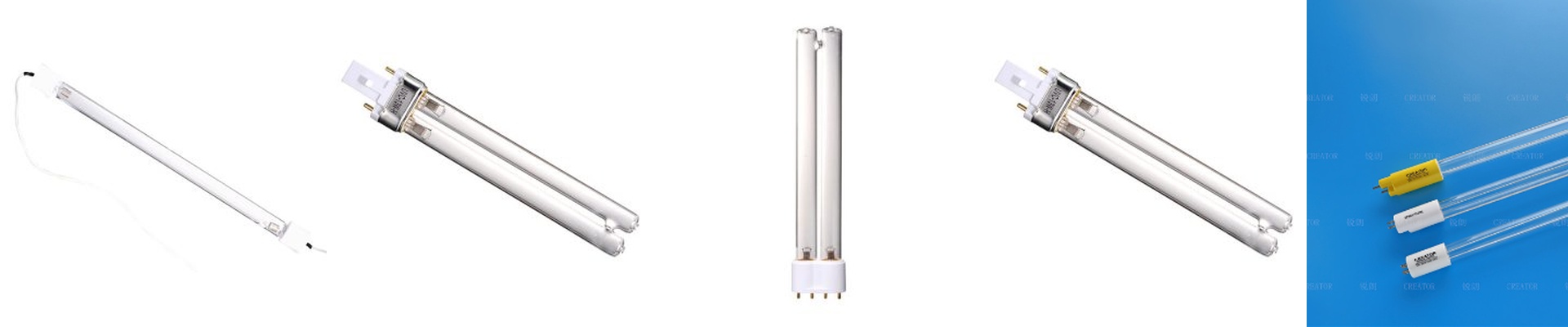
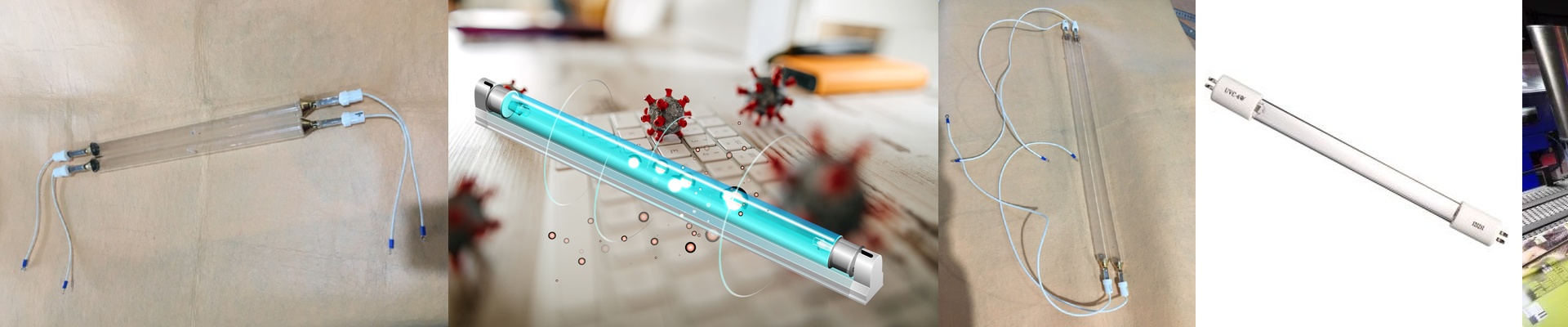
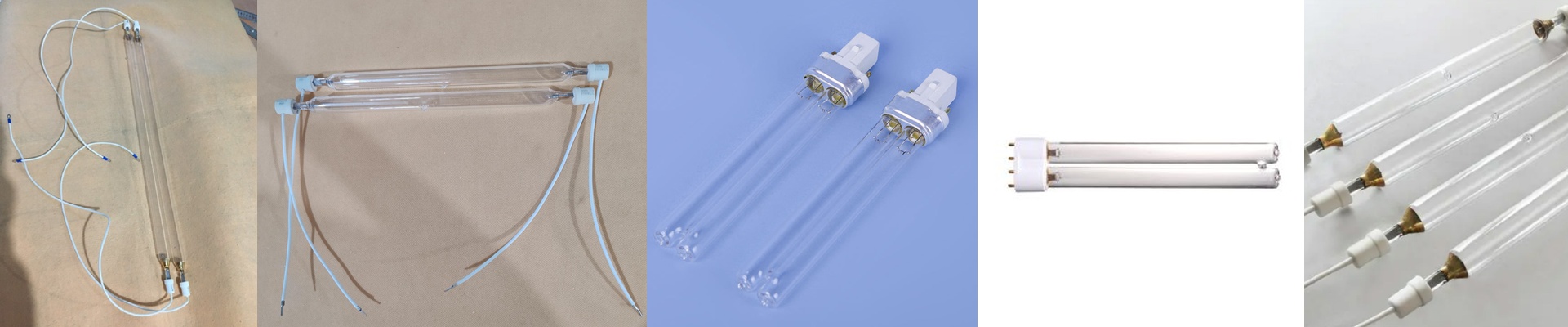
On a garment line running 80–120 m/min, you don’t get any slack. If the ink is still tacky when it hits the stack, you’re staring at off-spec prints, rework, and lost capacity. The answer isn’t just “more lamps.” It’s a UV exposure lamp built around the duty cycle and spectral control the job actually demands. Here’s what matters: matching photoinitiator chemistry to spectral output. A gallium-doped medium-pressure mercury lamp moves usable energy toward 365–395 nm, where a lot of free-radical and cationic formulations absorb cleanly. In real terms, that means peak irradiance above 8 W/cm² at the substrate and curing energy density in the 300–600 mJ/cm² window—enough to drive cross-linking in 0.8–1.2 seconds, even on thick white underbases. Pair that with a dichroic reflector (>85% reflectivity) and tight focal control, and you keep stray IR off the fabric while concentrating UV where the ink sits. We size arc length and power density to the print head width so the beam profile covers the pattern without hot spots. The payoff is straightforward: speed without giving up quality. Gallium-enhanced output gives you the photon flux needed for second-level curing, so the image sets immediately and you can stack and finish without delay. Output stability holds within ±3% over 2,000 hours, and with 5,000+ hours before 80% end-of-life, lamp changes and downtime fall off the schedule. Energy use drops too—typical setups deliver the same curing energy with 15–20% less input compared with conventional mercury systems. One practical heads-up: gallium-doped lamps need precise ignition voltage and ballast matching. They run cooler at the substrate, but the reflector and housing still get hot. Plan your airflow, confirm connector compatibility and mounting clearances, and verify the spectral match against your ink supplier’s photoinitiator profile before you roll it out across the line.