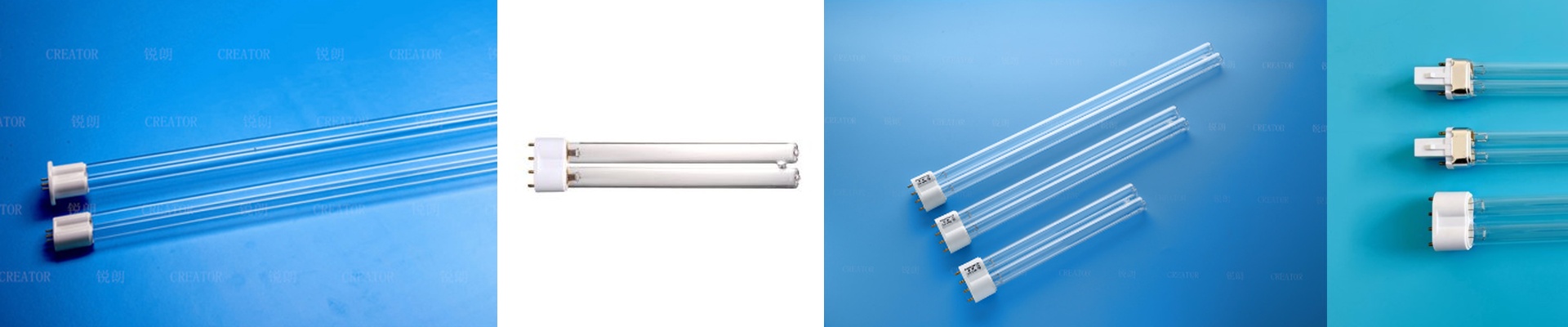
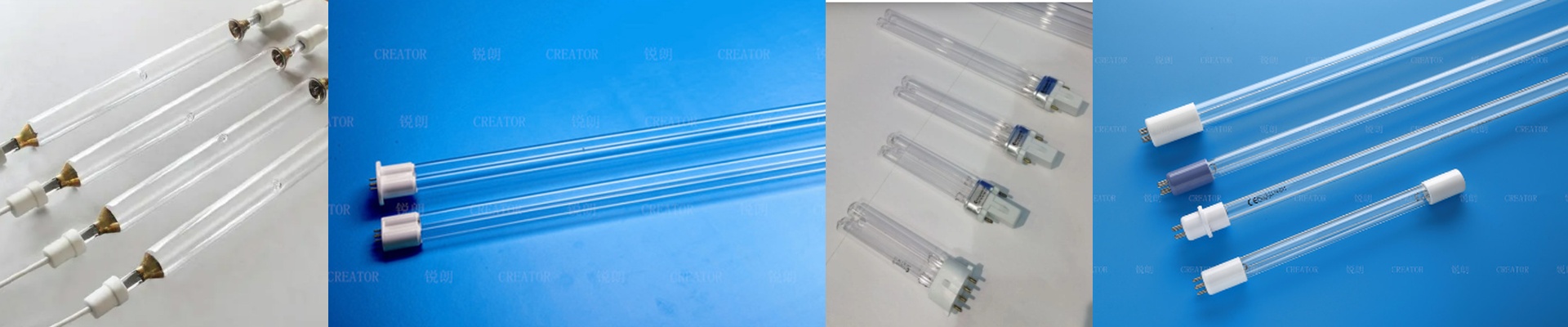
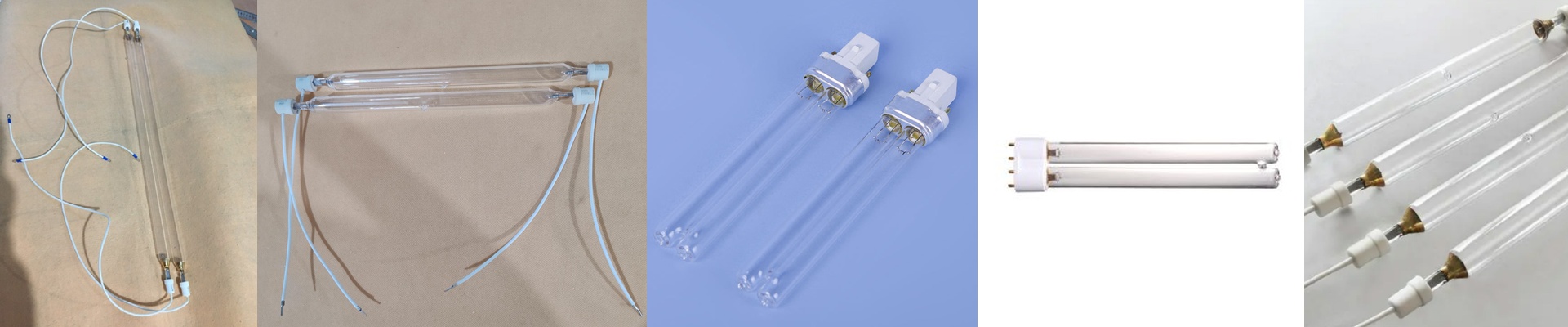
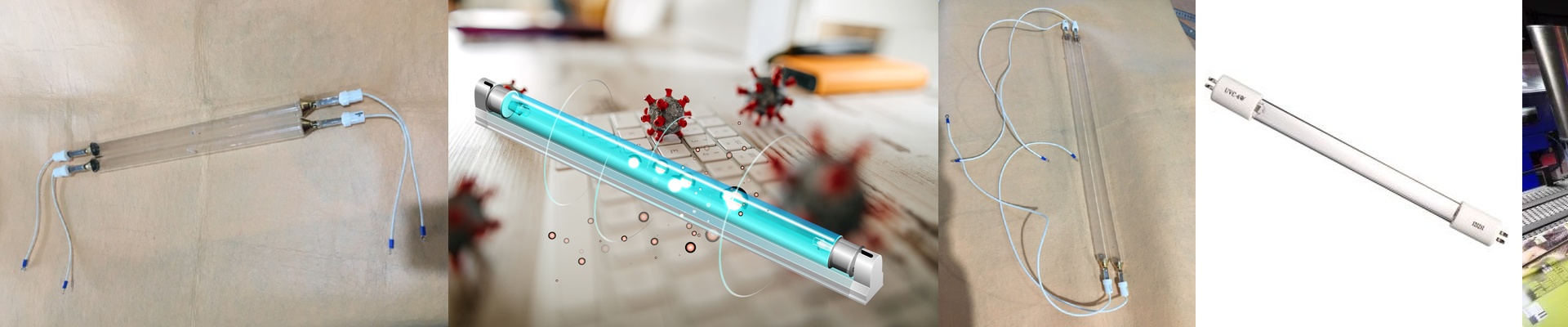
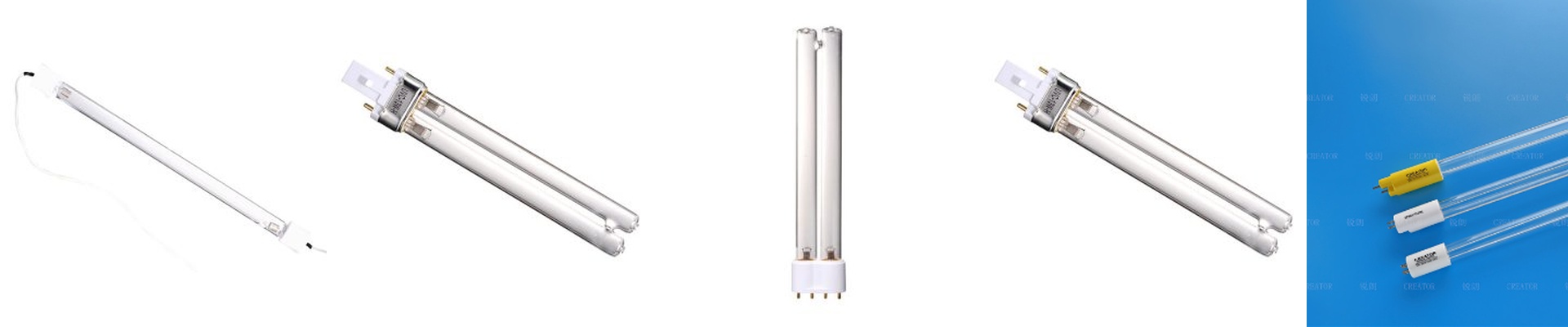
On the press line, the lamp isn’t just a part—it is the process. When a mercury UV lamp ages, the spectral output drifts, peak irradiance falls off, and the energy density hitting the substrate no longer lines up with the ink chemistry. You end up with uncured surfaces, adhesion issues, and stoppages that eat minutes and margin. We build replacement mercury UV lamps to reverse that drift and put repeatable cure back where it belongs: in your workflow. Here’s what actually matters: the lamp has to match the photoinitiator package. Mercury vapor lamps deliver stable output across the core UV bands—strong energy around 365 nm, plus solid contributions at 313 nm and 254 nm. That combination is what drives surface cure and cross-linking, even through thicker ink films. High-purity quartz envelope, a properly optimized dichroic reflector, and precise arc placement keep the spectral profile on target and deliver consistent peak irradiance across the cure window. Plan on stable output for 1,500–2,000 hours, then you’ll hit the 5–8% output drop that tells you it’s time for preventive replacement. And why this works is pretty straightforward: it restores the press’s original spec. You get back the curing energy density required for high-speed offset, flexo, and screen work, so you can run at rated speeds without chasing cure failures. Stable output cuts job-to-job variability, and predictable lamp life means fewer surprises—less unplanned downtime and less maintenance labor. Energy use stays under control through reflector efficiency, not by overdriving the arc. A few practical details. Confirm lamp length, arc gap, base, and lead polarity so it matches your reflector and ballast. Check system voltage and cooling airflow too—these lamps run hot, and if the cooling isn’t right, lamp life shortens and spectral output shifts. Handle them with clean gloves and wipe the envelope. Fingerprints create hot spots that will accelerate end-of-life. Expect an initial warm-up period for output to stabilize, then set your radiometer baseline and schedule replacements by hours and output—not by the calendar.