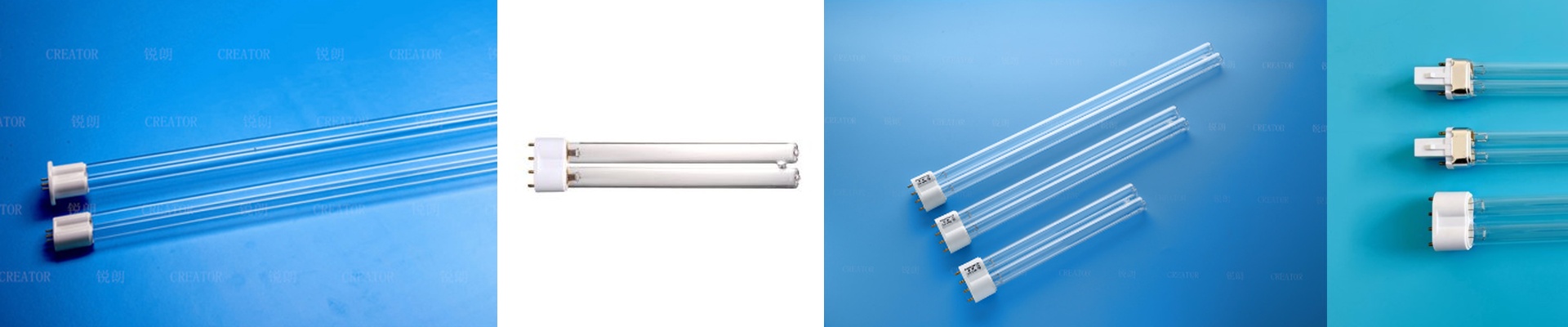
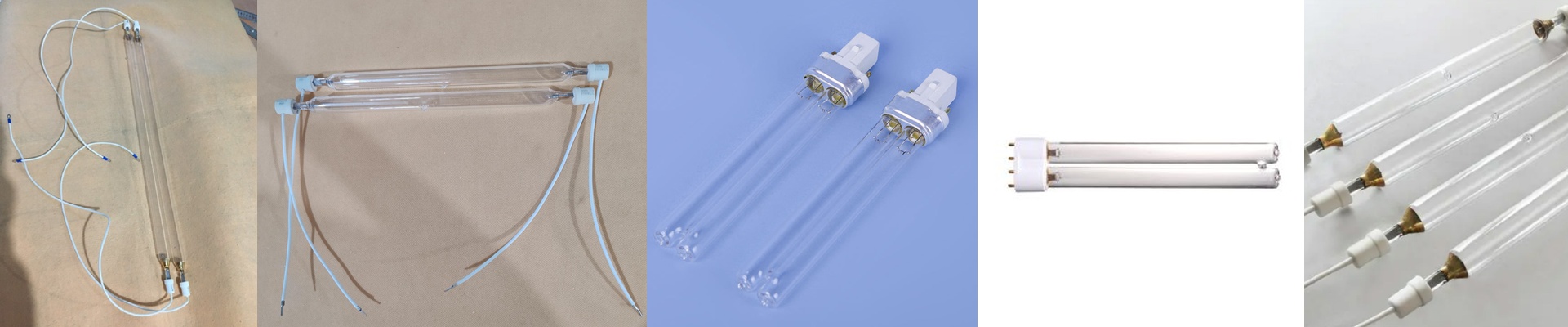
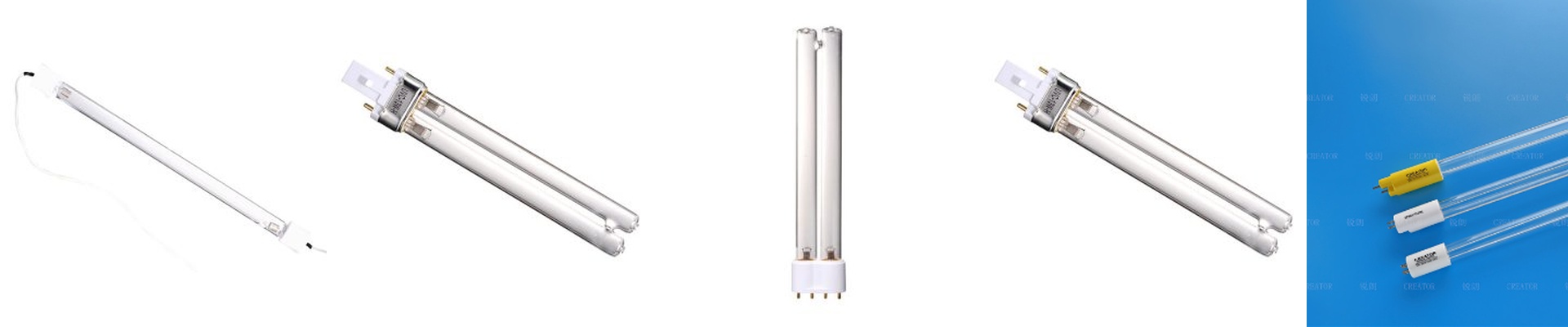
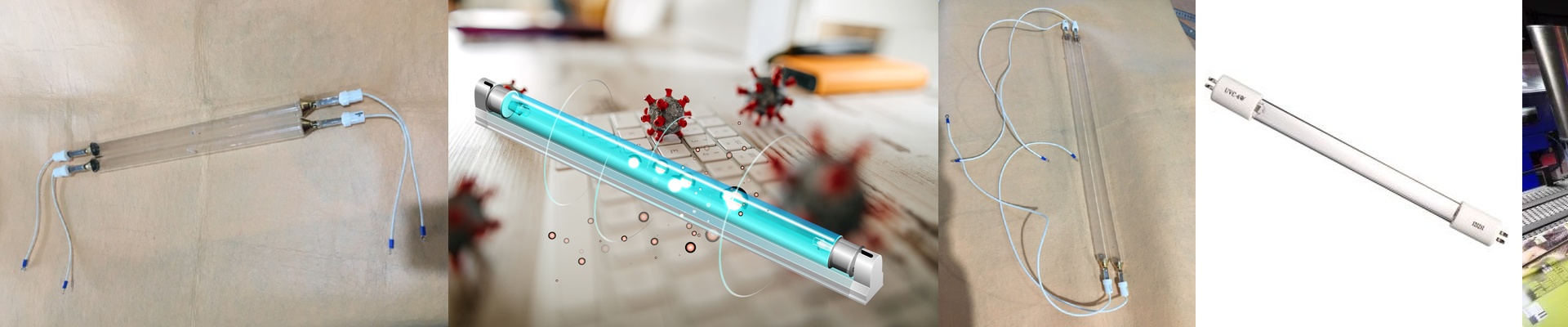
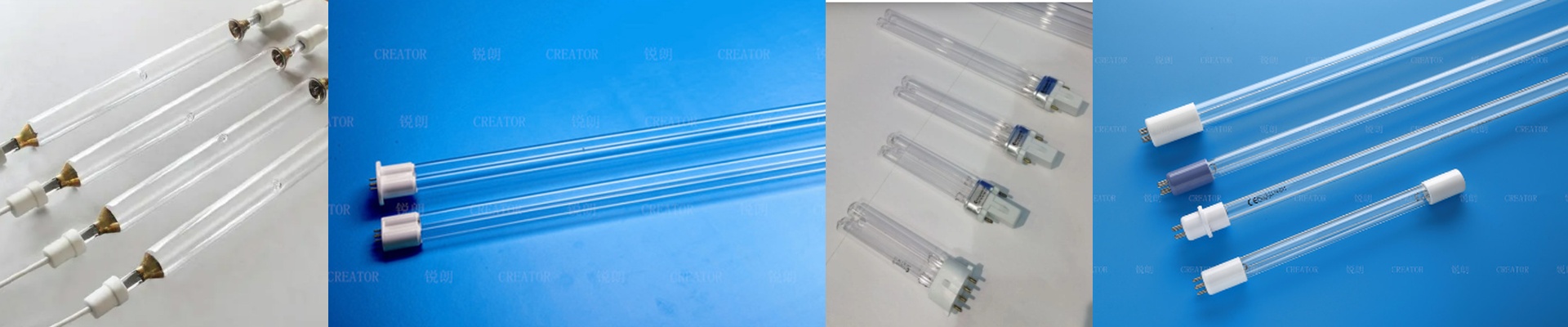
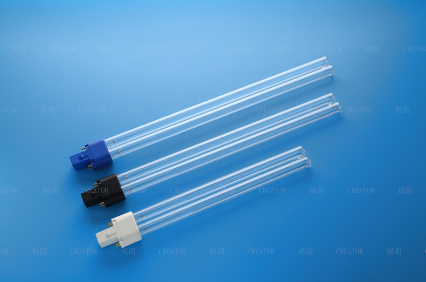
When a UV lamp won’t start on press, it’s tempting to blame the lamp and be done with it. But in my experience, the real culprit is often a mismatch between the trigger circuit’s energy and the lamp’s gas chemistry and electrode design. Gallium halide UV curing lamps only hold a stable arc when the igniter delivers the right peak voltage, rise time, and energy window. Trigger it too soft, and the lamp hunts. Crank it up too aggressive, and you’ll burn up the electrodes fast and watch spectral output drift. What matters under the hood We build gallium halide UV lamps for a specific spectral output—strong emission around 385–405 nm, with short-wave energy kept in check. That keeps heat down on thin films while still hitting the photoinitiators hard enough to cure. Peak irradiance and curing energy density (mJ/cm²) come down to lamp power, arc length, and reflector efficiency. A dichroic coating helps shape the spectrum and keeps substrate temperature lower. Expect stable output over 3,000–5,000 hours, with a measured degradation curve that stays inside your process window. Why this works on the press In UV offset, you need cure depth through the ink film without warping the sheet. In UV flexo, you need fast cure at high line speeds with minimal odor carryover. In UV screen, you need a surface cure that doesn’t choke fine detail. Gallium halide lamps handle these because the spectrum can be tuned to the photoinitiator package, and the trigger compatibility cuts down on start failures. The payoff is fewer rejects, consistent color, and makereadies that behave the same run after run. The things you actually have to check Matching isn’t plug-and-play. Confirm the trigger type—simmer versus pulse—along with maximum peak voltage and energy per pulse, and line it up against the lamp spec. Then verify arc length and reflector geometry match your printer’s cure station. Ozone-free operation is possible, but it demands a quartz envelope and proper cooling. Keep airflow steady, or output will drift. After a lamp swap, budget time for a calibration window, and log spectral data for each lamp change.