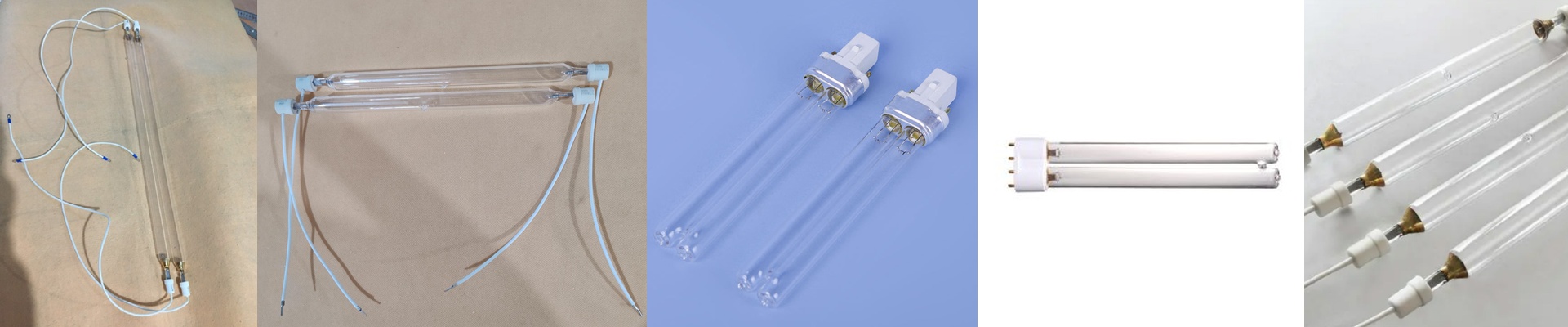
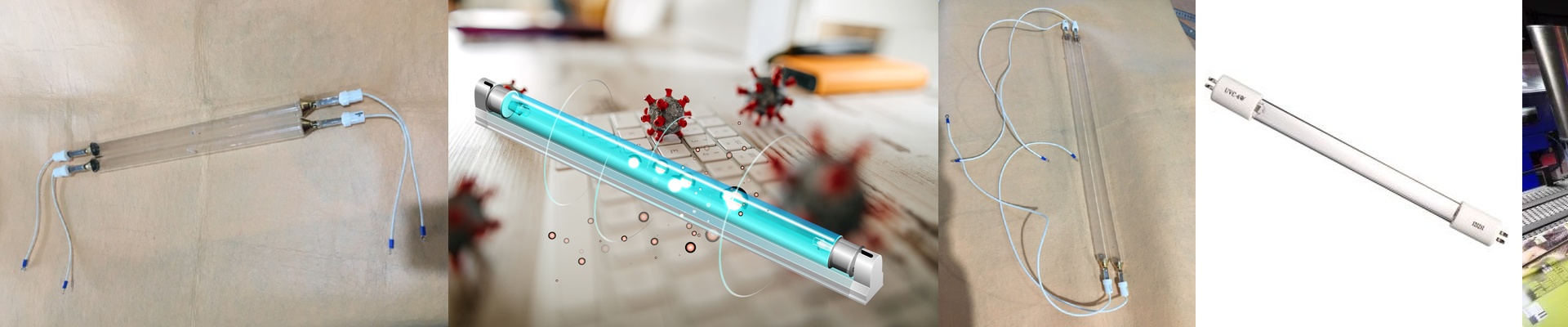
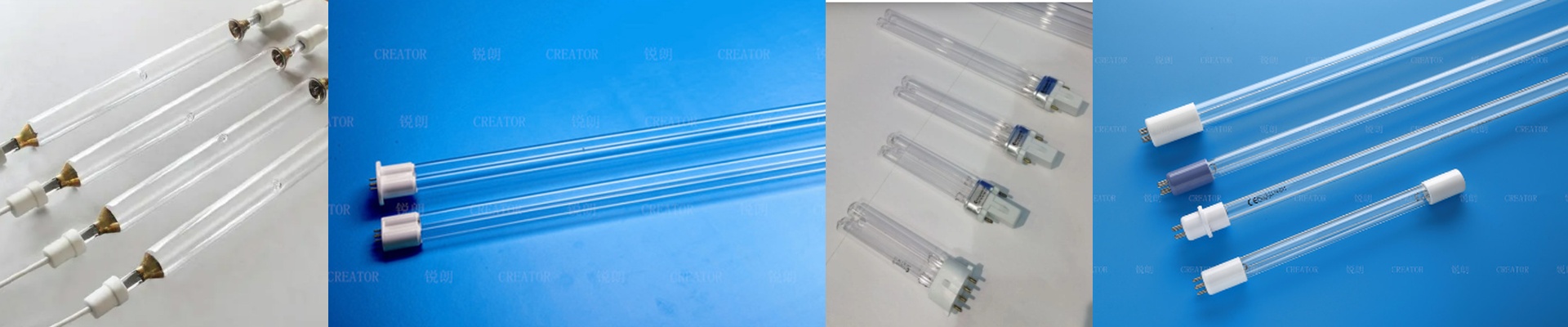
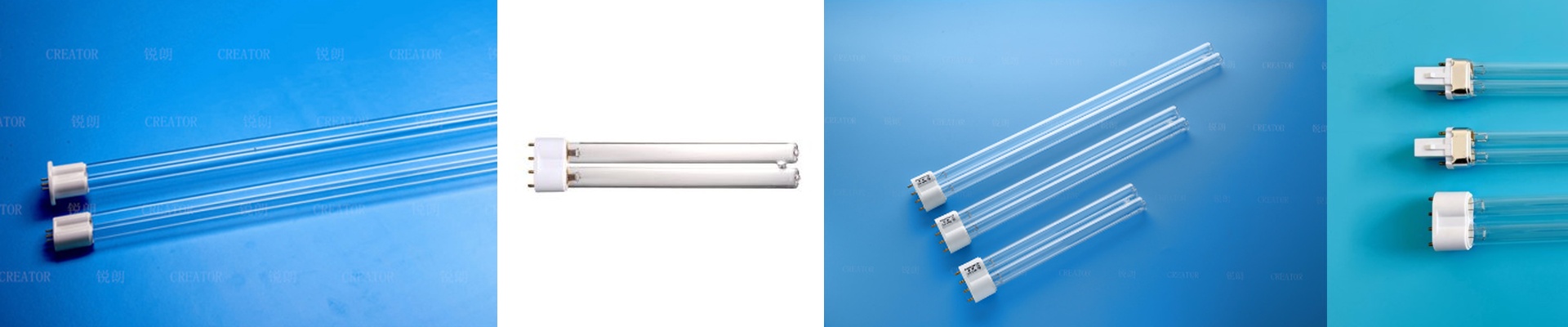
On a wood flooring coating line, the finishing end can’t tolerate a cure that falls short. Undercured topcoats? You get a surface that scratches too easy, and gloss starts drifting because cross-linking never finished. We see this every time a line tries to run faster without bumping lamp output. High-intensity UV spot curing closes that gap by putting enough photon density into the coating to fully drive photoinitiator conversion, even in thick, pigmented wear layers. What matters on the floor isn’t lamp wattage on the label—it’s energy delivered. A high-intensity UV spot unit for wood coatings is typically built around a high-pressure mercury vapor lamp, with a spectral output peak at 365 nm. That’s where most surface-cure photoinitiators absorb cleanly. Target peak irradiance at the substrate needs to clear 8,000 mW/cm², and the delivered energy density should be at least 1,000 mJ/cm² for a 10–15 μm wear coat. A high-efficiency dichroic-coated reflector concentrates the output and cuts wasted infrared, so you keep the substrate cooler without sacrificing cure speed. And output stability is measurable. We’ve run units past 5,000 hours and still held less than 5% drop in irradiance—as long as you keep the lamp within its rated current and maintain proper cooling. The reason it works here is simple. The concentrated spot beam lets you cure only the active area, so you can drop the unit into the finishing line without tearing out the whole oven footprint. High irradiance pushes rapid cross-linking, which translates to immediate mar resistance and a consistent high-gloss finish. You also cut energy use because cure time shrinks and the optics put more useful UV into the coating instead of dumping heat onto the conveyor. Now, integration isn’t plug-and-play. Match the lamp arc length and optical footprint to the coating width and line speed, and make sure the spectral output lines up with the photoinitiator package. If the wood substrate is heat-sensitive, verify the IR filter option and airflow design—otherwise you risk surface checking. The beam profile is tighter, which is ideal for spot curing, but you need to plan dwell and overlap so you don’t get uncured stripes when line speeds climb above 30 m/min.