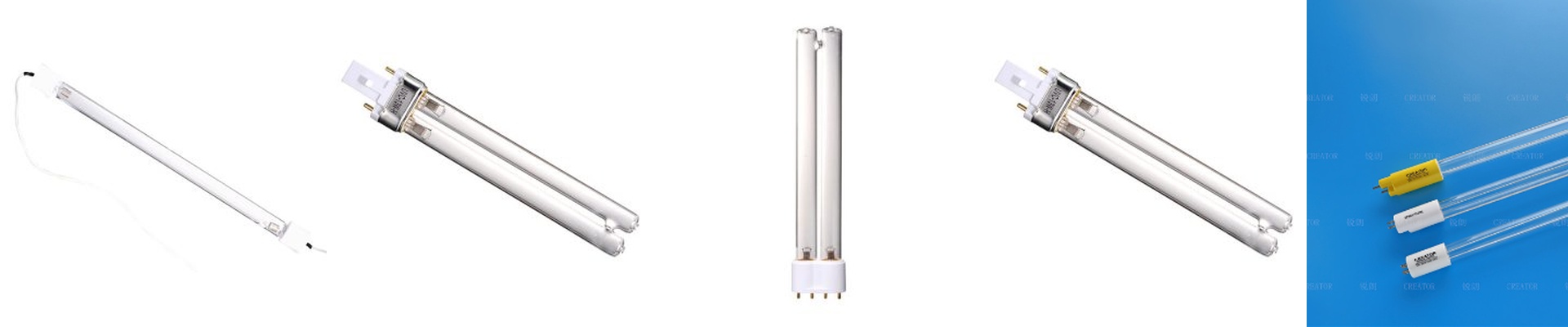
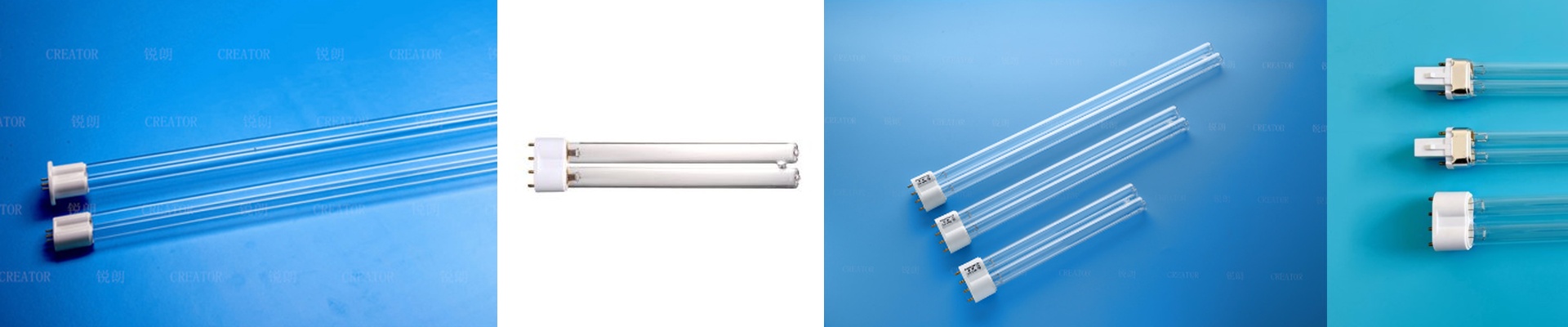
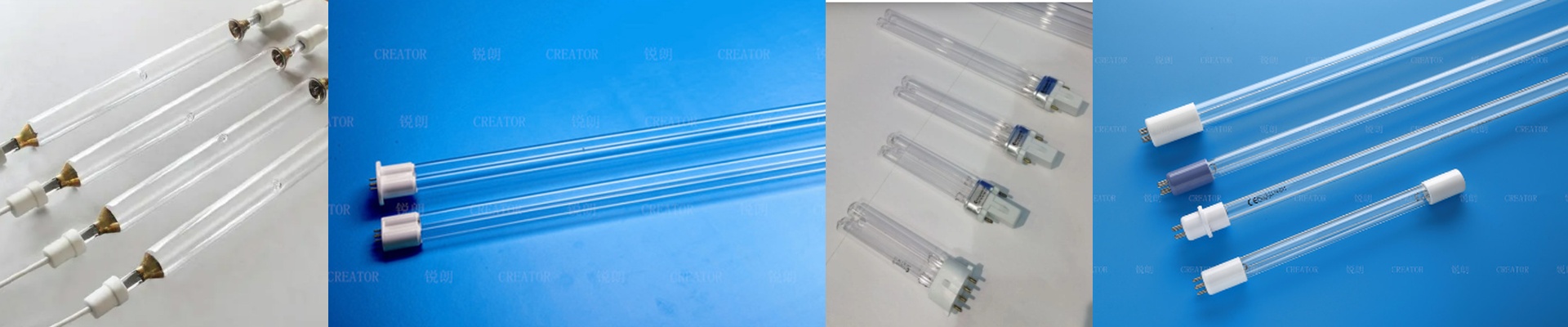
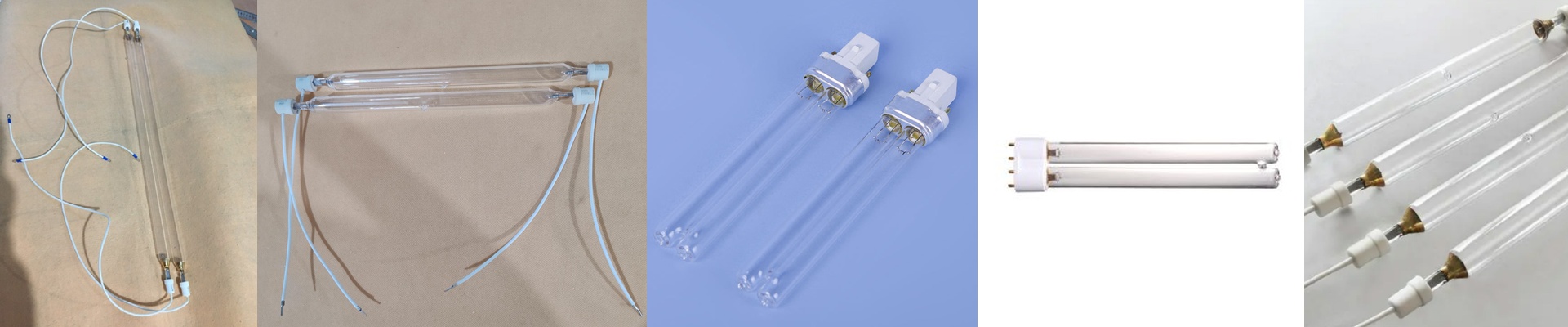
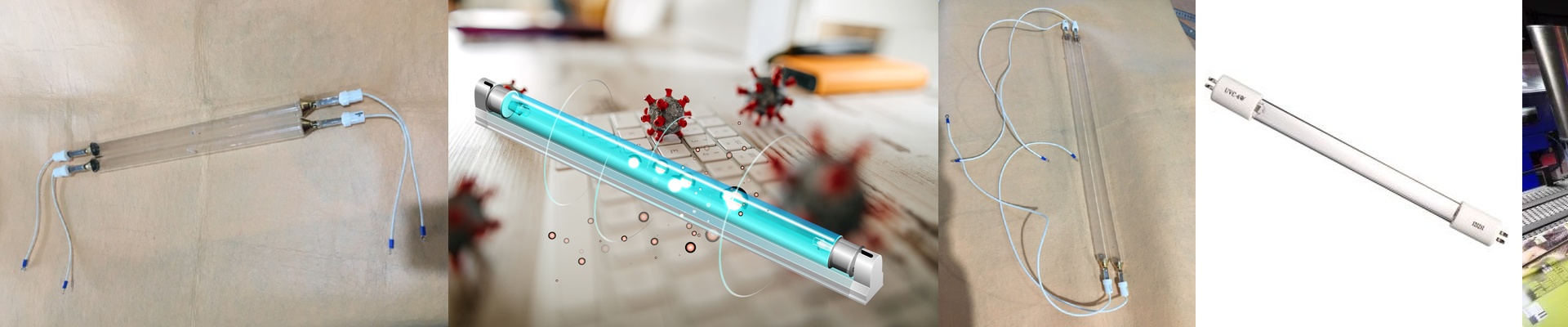
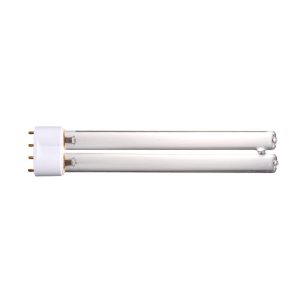
Walk the textile line with me — from the blank roll coming in to the finished garment going out. UV lamps sit in the background, but they’re not just there to cure ink on the press. They’re the quiet workhorses that keep hygiene from being an afterthought, hitting sanitation on every substrate, every ink layer, and every final product before it ships. What’s actually driving the performance We build the commercial UV germicidal units around a low-pressure mercury vapor lamp, tuned to that dominant 254nm wavelength. That spectral output goes straight at microorganisms — hitting DNA and RNA hard enough to deliver log-reduction sterilization. We spec peak irradiance above 150 mW/cm² at a 100mm working distance. The housing uses a high-purity quartz sleeve and a dichroic coating to push UV-C transmission through while reflecting IR, so substrate temperature stays under control. Why it fits the textile workflow Contamination risk shows up all along the chain: raw fabric, the print shop floor, and finished garments. We drop the system straight into conveyor lines and printing equipment. You get microbial control on the spot — no heat, no chemicals, and no reason to throttle the line down. That translates into faster cycle times, stable quality, and less rework driven by microbial spoilage. Energy use drops compared to thermal disinfection, and lamp life holds at 9,000 hours with controlled output decay. The details that keep it honest UV-C works, but it only works if you treat it with respect. The lamp has to be aligned to the substrate path, and reflector geometry needs verification so dose stays uniform. When you integrate the unit, confirm line speed, substrate reflectivity, and clearances. Operators need proper PPE, and the lamp has to stay clean — a thin film of dust can knock effective irradiance down by over 30%. Build in routine radiometer checks, and have a plan for safe lamp disposal.