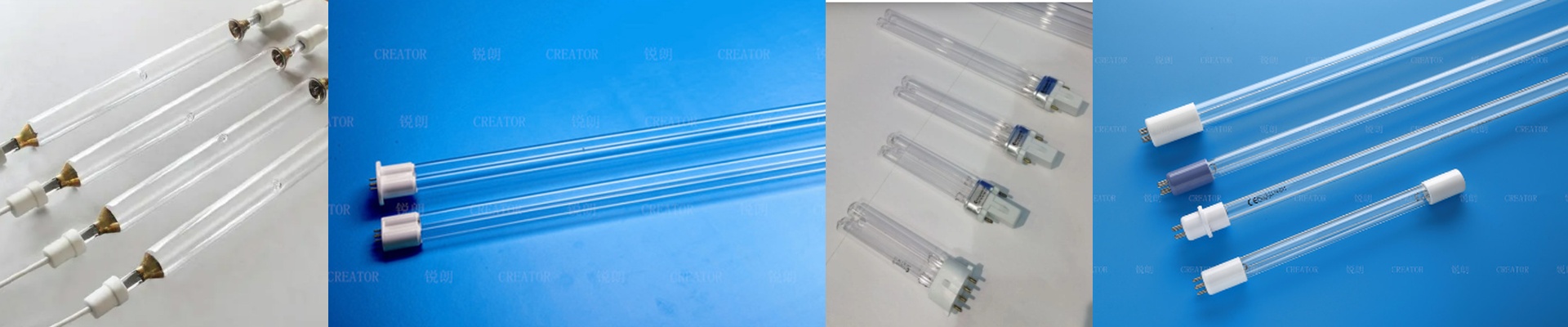
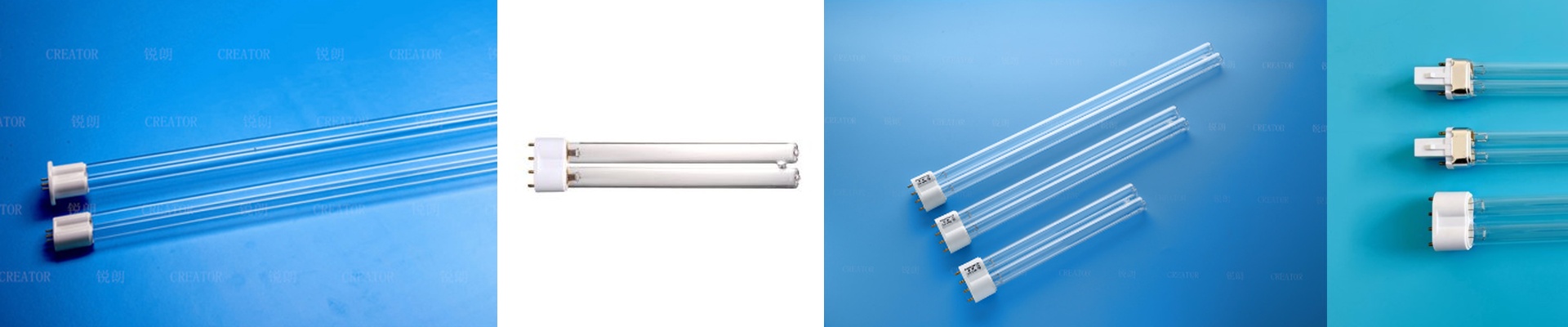
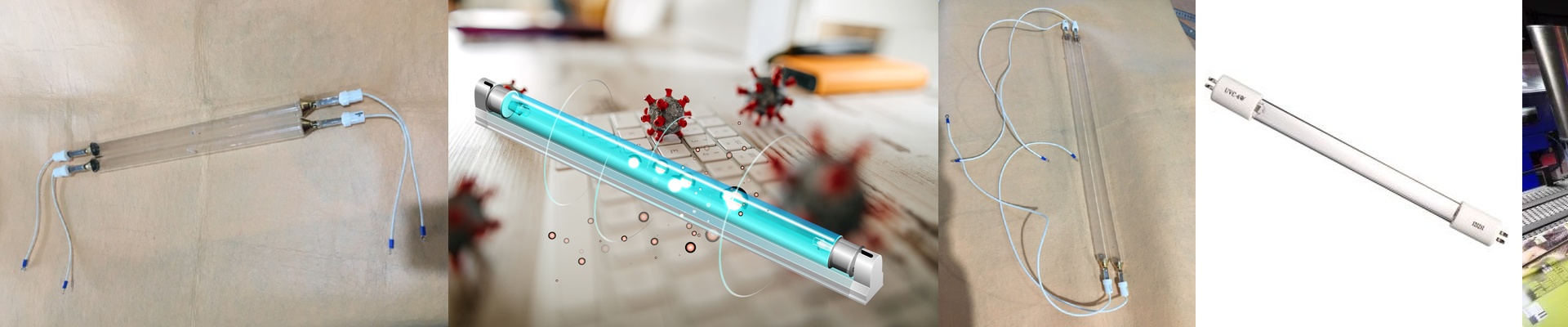
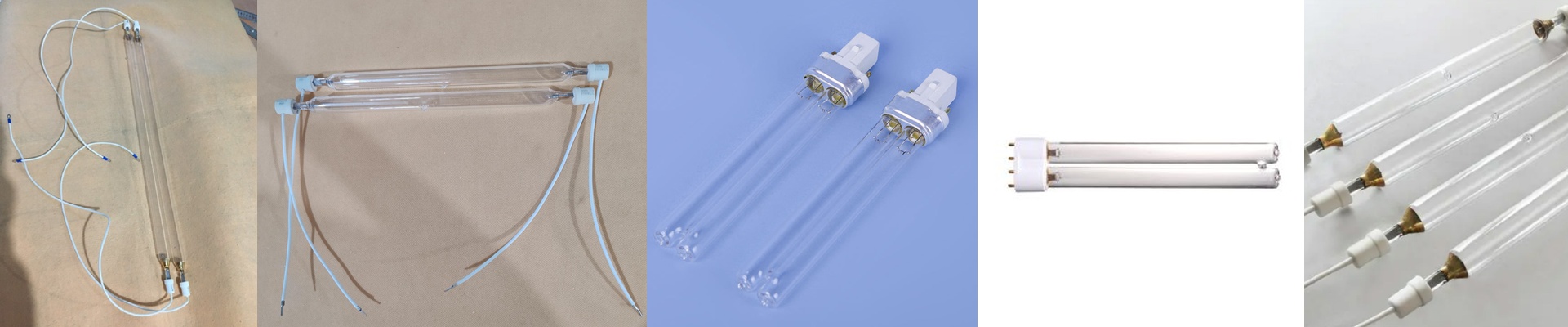
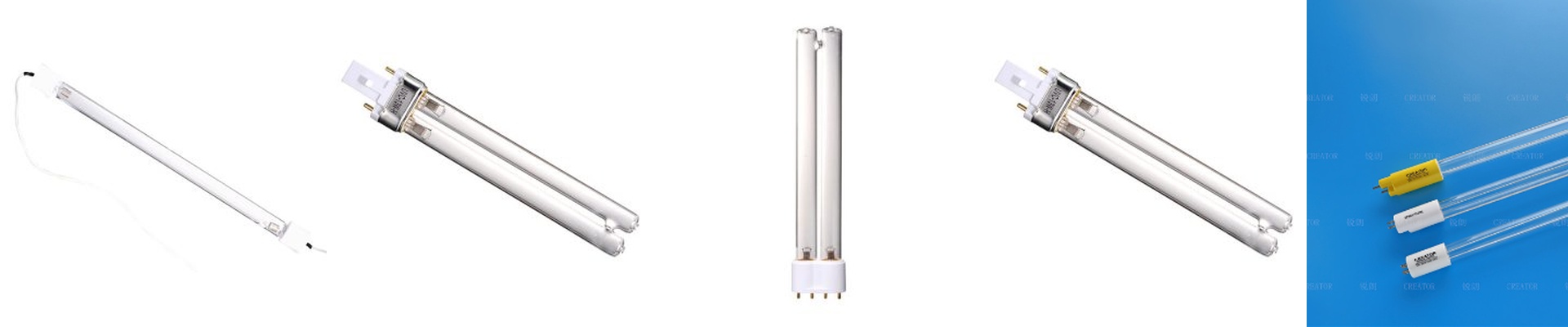
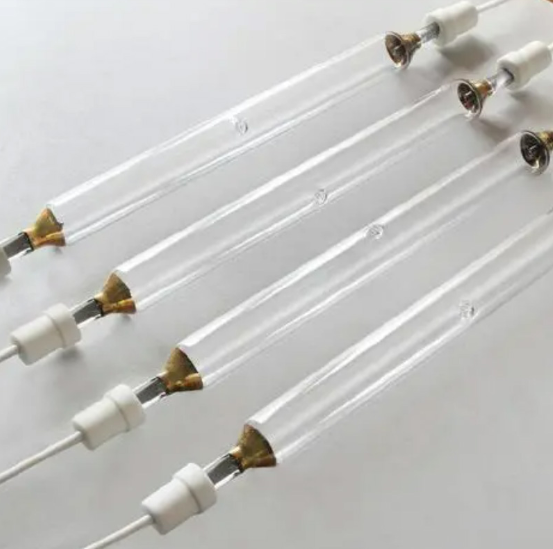
On the floor, a 0.5% swing in spectral energy concentration isn’t a footnote. It’s the line between a properly cross-linked ink layer and one that stays tacky, dragging the line down and eating substrate. We built this handheld UV curing unit for that reality, where measurable output beats any marketing promise. What actually matters under the hood UV curing comes down to wavelength matching and delivered energy density. We run a stabilized high-pressure mercury vapor lamp, trimmed for stable spectral output at 365nm, with controlled tails at 385nm and 405nm to sit right on top of the photoinitiator absorption. Peak irradiance is set so that, at the working distance, you get repeatable mJ/cm² across the spot. A dichroic-coated reflector concentrates the flux, wasting less infrared and keeping the target temperature under control. Ozone-free quartz and a compact housing let you work close without tripping air handling headaches. Why it holds up in real work This handheld unit turns our focus on spectral energy concentration into hands-on control. You can fix pinpoint defects on press, run quick curing trials right where you are, and validate formulation changes without tying up a full-width curing station. The lamp holds output consistency across its life, with a measured curve that stays flat beyond 3,000 hours, so your process window doesn’t drift. The payoff is fewer rejects, faster changeovers, and energy use you can plan per job. The practical notes you can’t skip Handheld curing is precise work. Keep the beam axis perpendicular to the substrate and hold the working distance steady; otherwise, irradiance drops off non-linearly and your mJ/cm² turns into a guess. The unit plugs into standard industrial interfaces, but it still has to be matched to your ink’s photoinitiator package—run a spectral radiometer, verify dose, and lock in the operating window. Treat it like the instrument it is, and it will behave like one.