Introduction
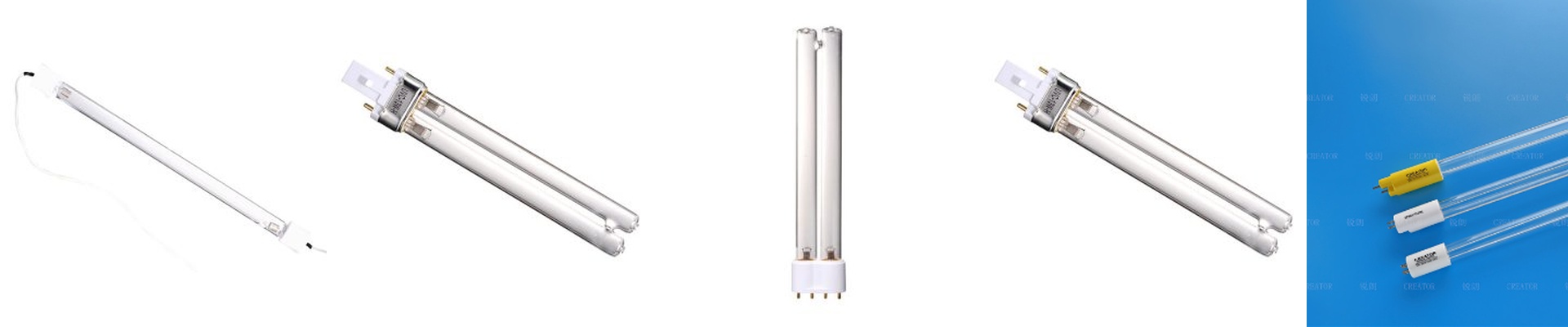
We build mercury UV lamps for the engineers who keep production lines moving—the ones who can’t afford downtime and can’t cut corners on compliance. The whole point? Give you ultraviolet output that stays steady, in a design that wastes less and lasts longer. It all comes down to choosing materials and components that can take the heat of high-energy operation, day after day, without losing their edge.
Technical Deep-Dive
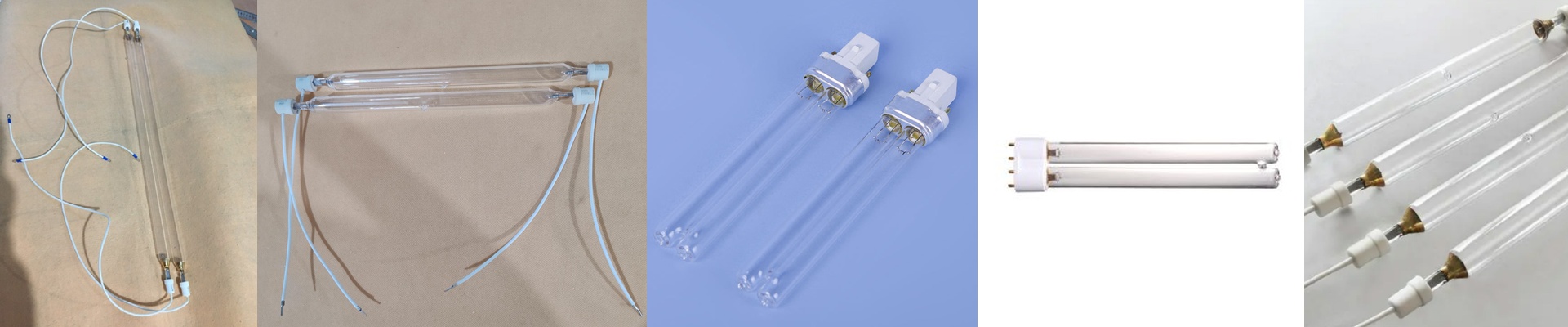
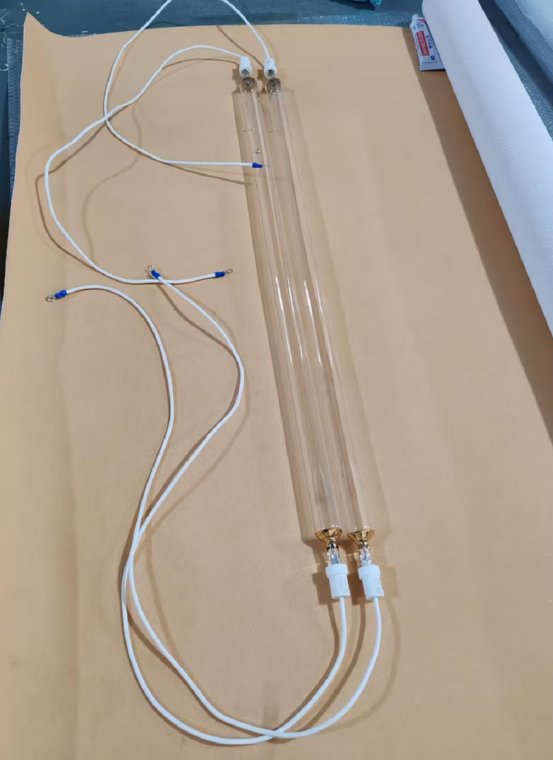
Out on the plant floor, your mercury UV lamp has to perform the same way every time. That means matching the electrical input to the exact shape of the arc tube. We size the lamp to run at a specific voltage and power, tailored to the length and diameter that fit your footprint. The payoff? UV intensity you can count on, and a heat profile that fits into your machine without guesswork. Here’s the trade-off you can feel in your hands. More power density means faster curing and stronger heating, sure—but it also cranks up the heat around the whole assembly. So plan for enough cooling and keep the heat from bleeding where it shouldn’t. If the base runs too hot, you’ll shorten the lamp’s life, plain and simple—even if the materials are top-notch.
Material & Design
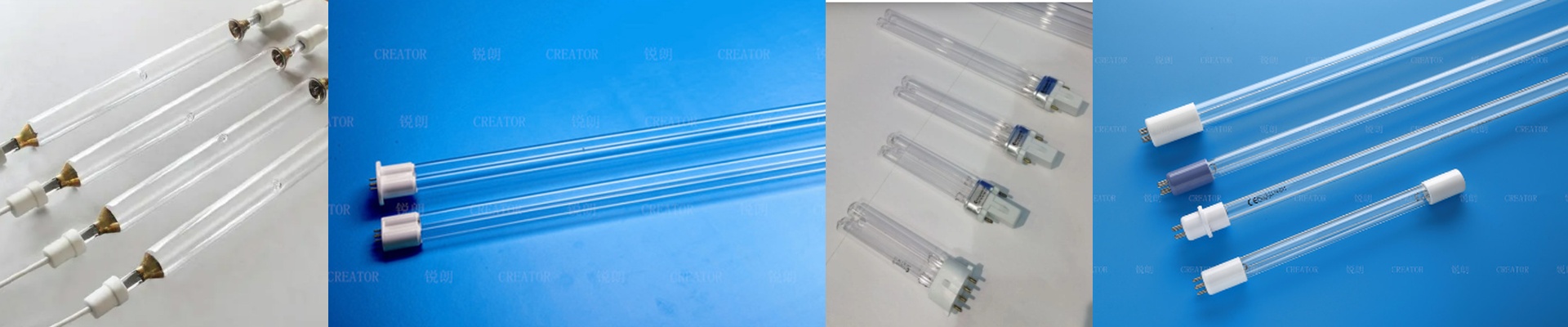
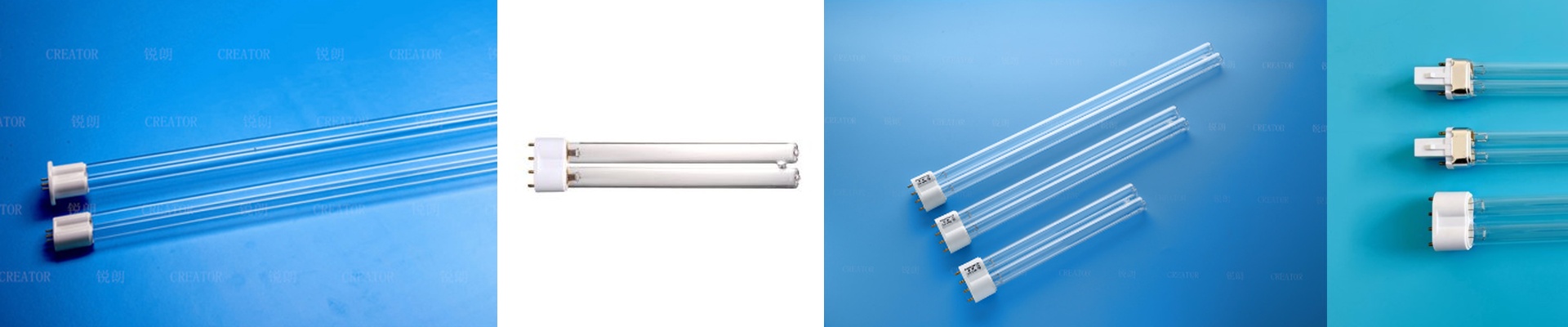
We stick with full-eco materials to cut contamination risk and make end-of-life handling easier. The quartz envelope is chosen for clear UV transmission and steady thermal performance, so output stays consistent for thousands of hours. Inside, the fill and electrodes are built to keep the arc stable as the lamp ages, not drifting or getting temperamental. On the shop floor, the little details matter—like the connector. An R7s base gives you a solid, two-point electrical connection that installs fast and repeats the same contact every time. That means fewer hot spots, less arcing, and fewer field failures caused by misalignment. The lamp is made to drop right in, so you can swap it out without re-engineering the fixture.
Application & Benefits
When production is pushing toward zero-pollution manufacturing, the lamp has to run clean and last. Our long-life design cuts down how often you replace lamps, which means less material waste and less time spent on maintenance. For engineers, that shows up as stable process windows, fewer stoppages, and a lower cost per unit processed. Just make sure the lamp and the job are truly matched. Double-check voltage, power, and dimensions against your equipment. When the specs line up, you get UV output that stays consistent—wrapped in a robust, serviceable design that can handle the heat of continuous operation.