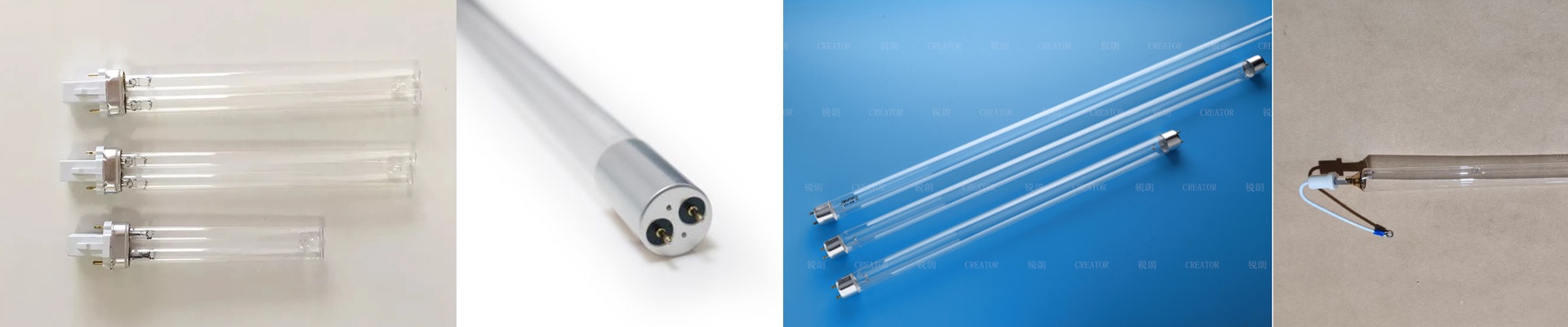
Stop Guessing Your UV Lamp Life
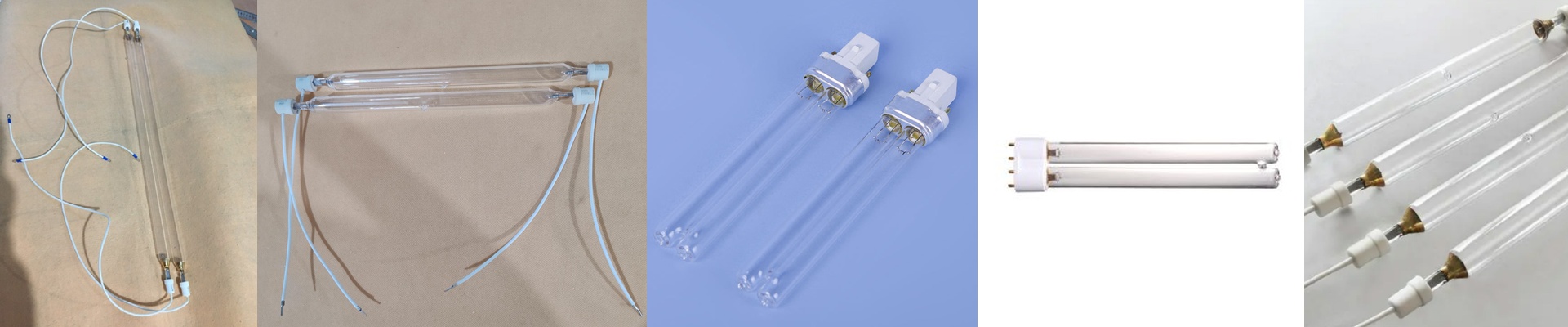
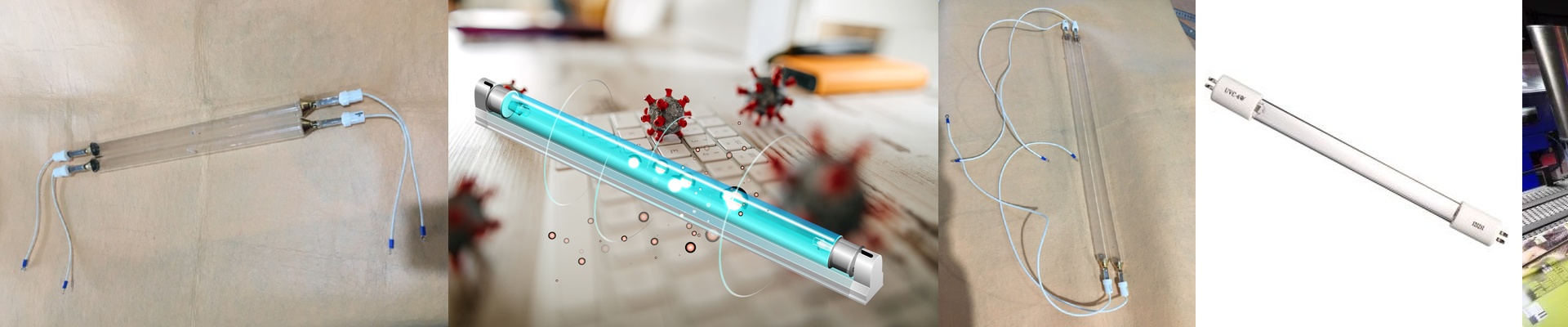
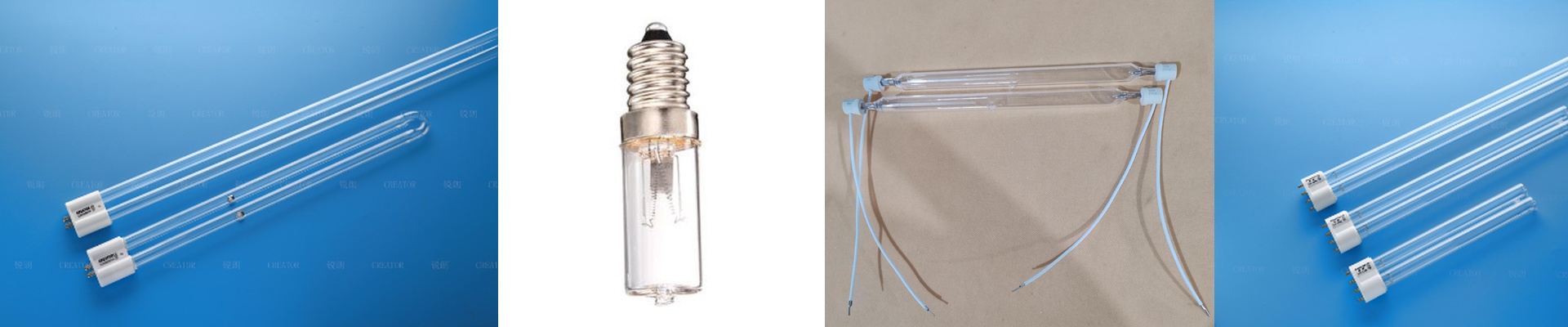
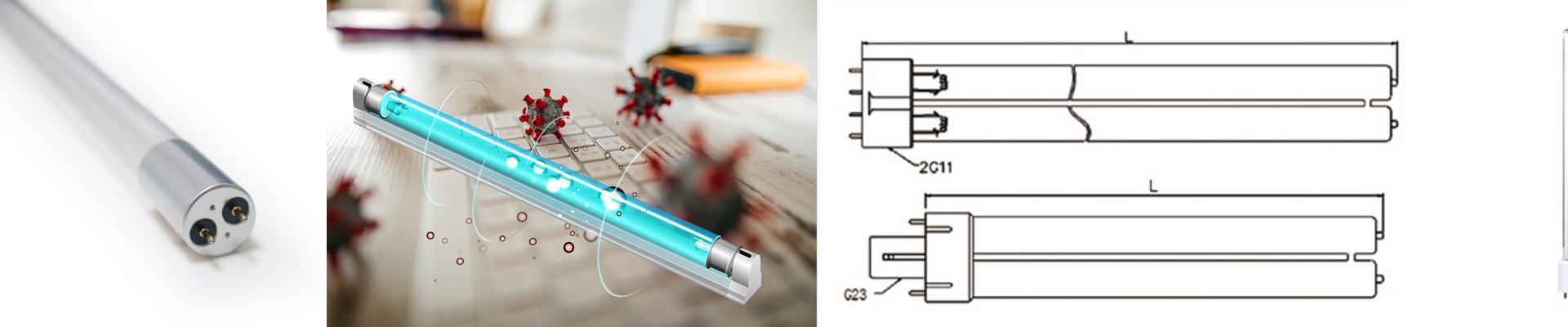
Look, 80W/cm mercury UV lamps are the old reliable of industrial curing. They get the job done. We build them to pump out consistent UVC output so your high-speed lines keep moving. But there’s a problem. Most shops are basically flying blind. You probably run your lamps on a fixed timer. You replace them because a calendar tells you to, or—even worse—you only realize there’s a problem when a batch of product fails a quality check. That’s a stressful way to run a business. We’re fixing that by putting remote energy monitoring right into the power supply and the housing.
The nitty-gritty of 80W/cm
When we talk about 80W/cm, we’re talking about linear power density. To hit that number, we have to get the balance just right between the arc length and the ballast voltage. The result? A narrow, intense plasma arc that forces polymers to cross-link fast. It’s powerful. It’s quick.But it’s also hot. If your cooling fans aren’t up to the task, that quartz envelope is going to overheat. Then your lamp burns out way before it should. It’s a simple physics problem, but it costs people a lot of money.
Bringing the data to your desktop
We’re moving the monitoring off the shop floor and onto a dashboard. We’ve added sensors that track the actual power draw and how the spectrum is degrading in real-time. No more guessing. You can actually see the wattage drop as it happens. Imagine having a whole network of lamps reporting their health to one central hub. You’ll spot a failing lamp long before it ruins a production run. Maintenance stops being a chore you do “just in case” and becomes something you do because the data told you to.
The trade-offs
Now, this isn’t magic. There are a few catches. Adding IoT sensors means the ballast takes up a bit more space. It adds some electronic complexity, too. And yeah, you’ll need a stable network connection on the factory floor to actually see the data. But honestly? It’s worth it. You stop wasting lamp hours and you stop those nightmare unplanned shutdowns. You just stop waiting for things to break and start replacing them exactly when they need it.