Getting Your UV Curing Right
Let’s be honest: in industrial printing, speed is everything. If your ink isn’t curing the second it hits the line, your whole throughput crawls to a halt. That’s why we build our UV lamps the way we do. They aren’t just lights; they’re the engine that lets you push your production speed without worrying about wet ink ruining the next batch.
Finding the Sweet Spot
Here’s the thing about UV lamps—you can’t just throw a generic bulb in and hope for the best. It all comes down to the chemistry in your ink. Depending on your photoinitiators, you might need shortwave or longwave UV. We spend our time tuning the wattage and voltage so the energy hits the substrate exactly how it should. You want it hard enough to snap that film into place, but not so hot that you scorch your material. It’s a balancing act. If you crank up the wattage to move the conveyor faster, you have to make sure you aren’t leaving the bottom layers under-cured.It’s a fine line, and we help you find it.
The Nitty-Gritty Details
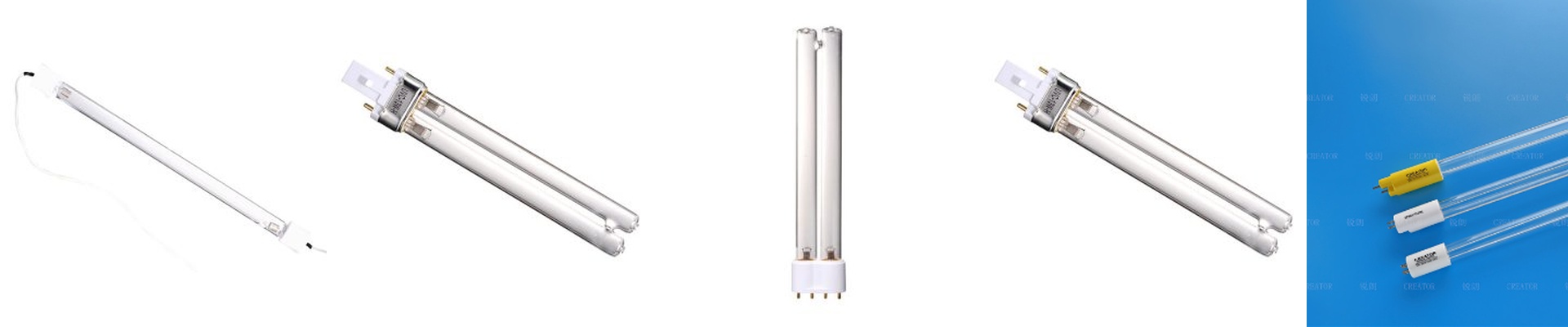
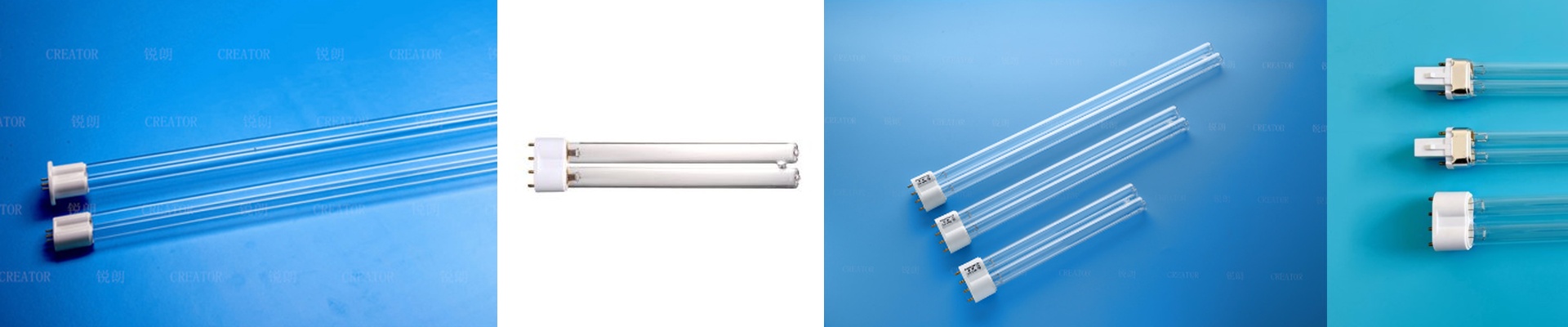
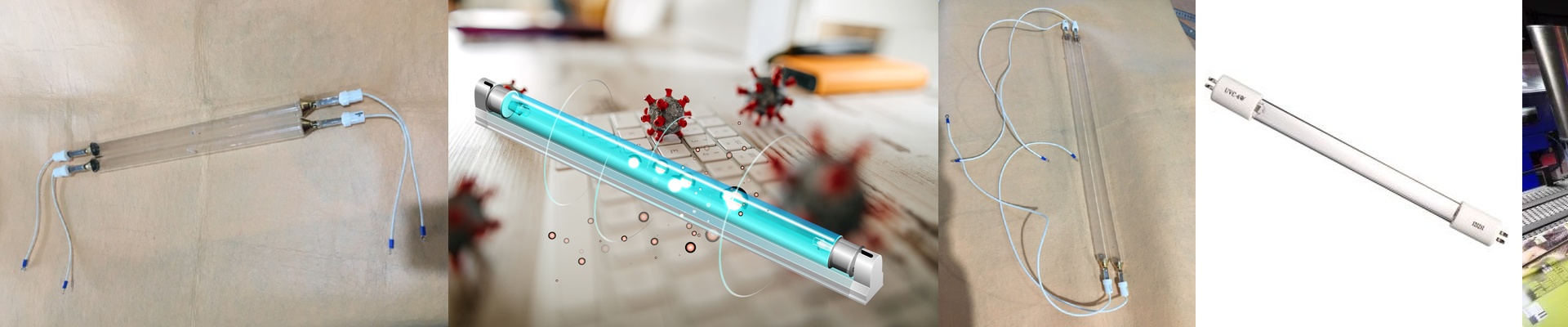
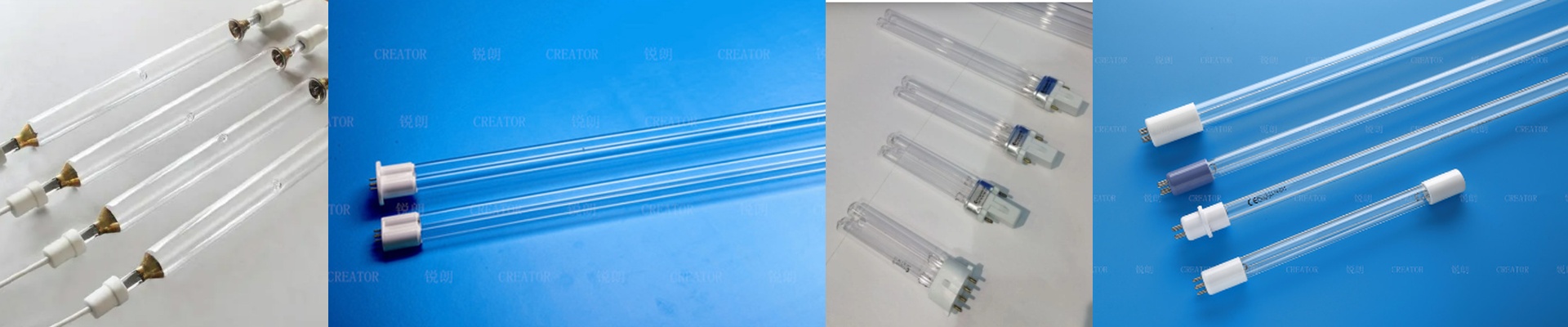
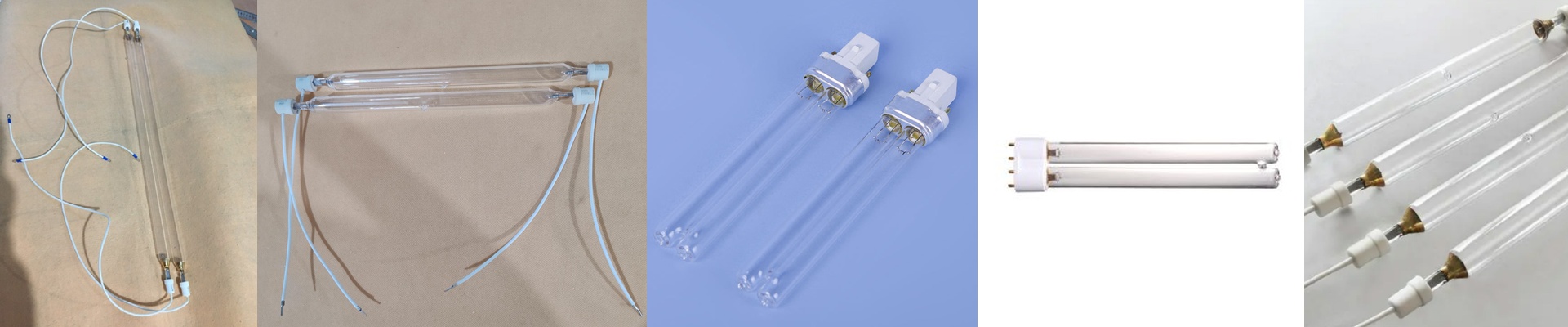
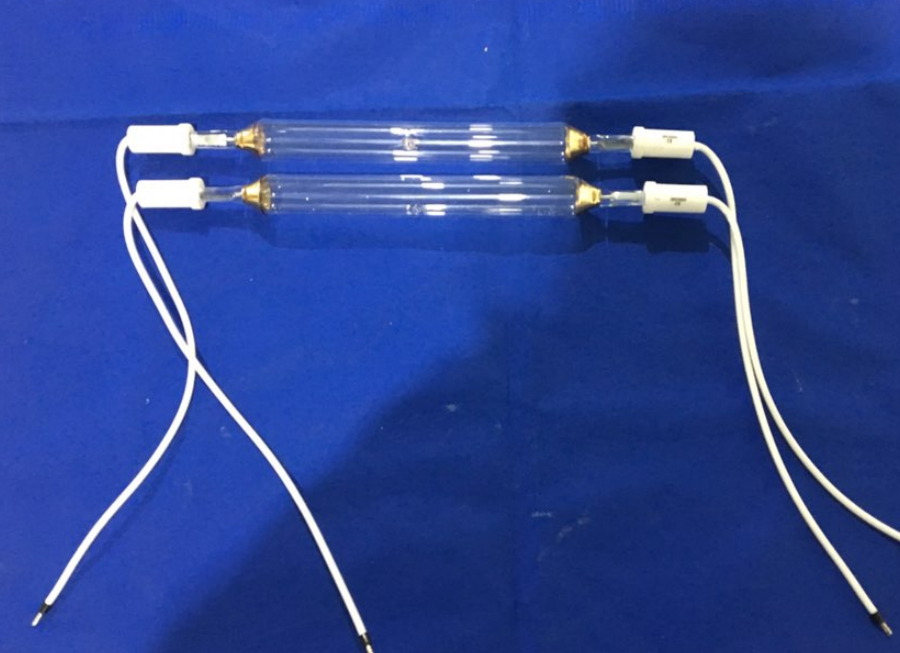
We use high-purity fused quartz for the glass envelopes. Why? Because it lets the UV radiation fly through without getting soaked up by the glass itself. Sometimes, we add special coatings to the tube to tweak the light output or just to keep ink splatter from ruining the lamp. And then there’s the wiring. We’ve all seen what happens when a connection is loose at high amperage—it arcs, it sparks, and it burns your sockets to a crisp. That’s why we offer connectors that actually fit tight. Plus, we design these to be drop-in replacements for most OEM frames. No hacking, no stressing. Just swap the lamp and get back to work.
Dealing with the Heat
High-intensity UV lamps are powerful, but they have a side effect: they get incredibly hot. If you’re running a high-power array, you need a cooling system that can actually keep up. Without a solid breeze of airflow or chilled rollers, you’re looking at bubbling ink or warped PET films. It’s a nightmare to fix after the fact. We’ll sit down with you and look at your machine’s cooling capacity to make sure the lamp’s heat doesn’t wreck your product. Simple as that.