Why UV Curing is a Lifesaver for Textile Lines
Most people think UV lamps are just for that final coat of gloss. But honestly? We’re seeing them pop up everywhere in the textile world. From the first touch of the fiber to the final stitch on a garment, these systems are taking over. The best part is getting rid of those massive, slow ovens. Instead of waiting around for heat to dry things, you get an instant snap. It’s fast. Really fast. And that changes everything for your workflow.
Getting the Tech Right
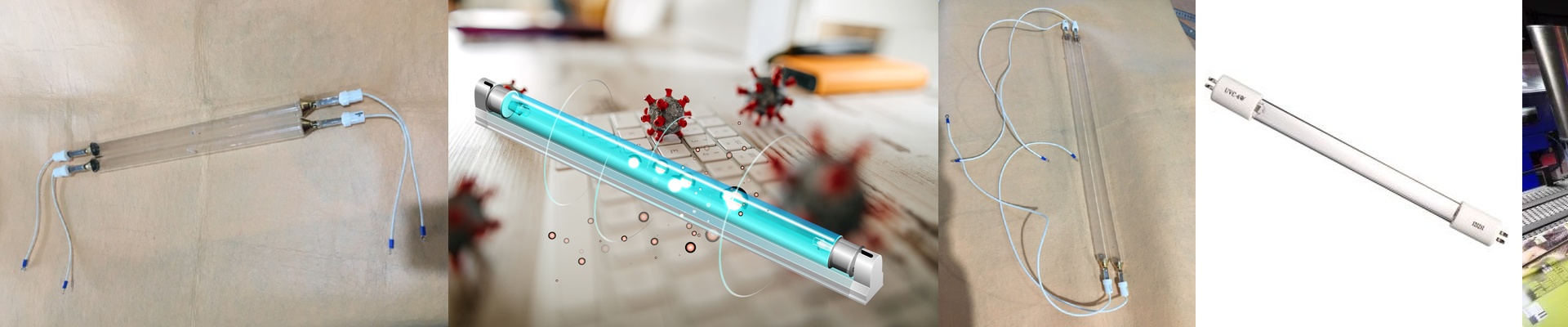
Here’s the thing: you can’t just throw any light at the fabric. You need the right wavelength to actually trigger the reaction in your inks and resins. Depending on what you’re working with, we usually go with high-intensity mercury lamps or LED arrays. But you have to watch your speed. If you crank up the conveyor belt, you’ve got to either bump up the wattage or move the lamps closer to the fabric. If you don’t, the material won’t get the “dose” it needs to set properly, and you’ll end up with a mess.
The Hardware Headache (and how to fix it)
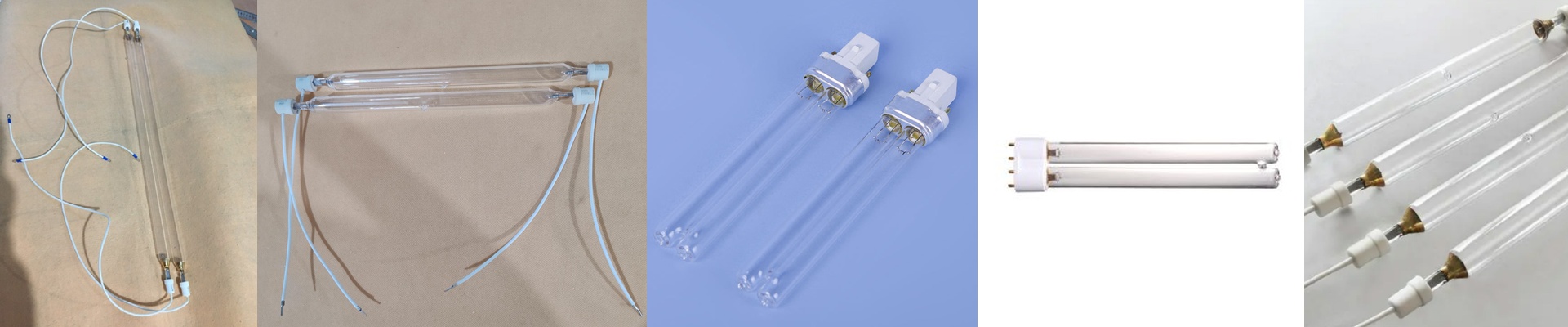
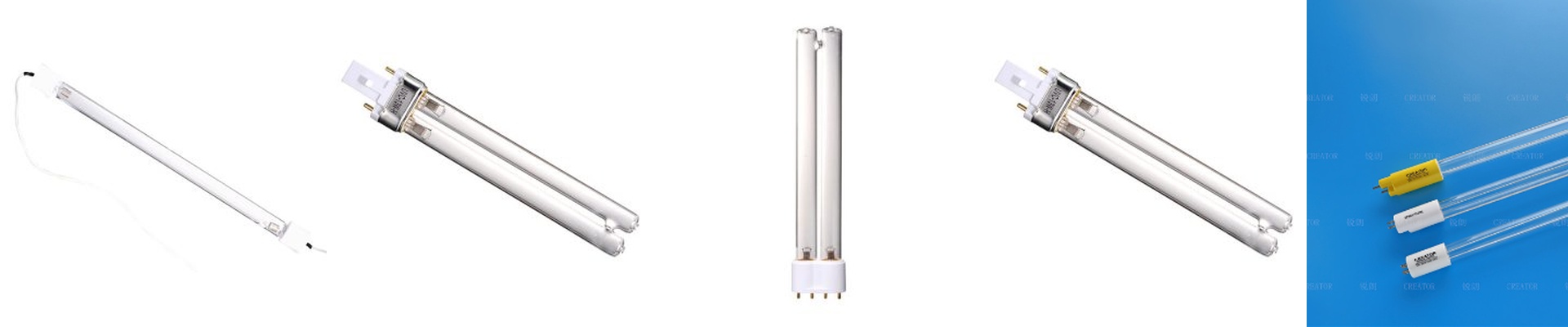
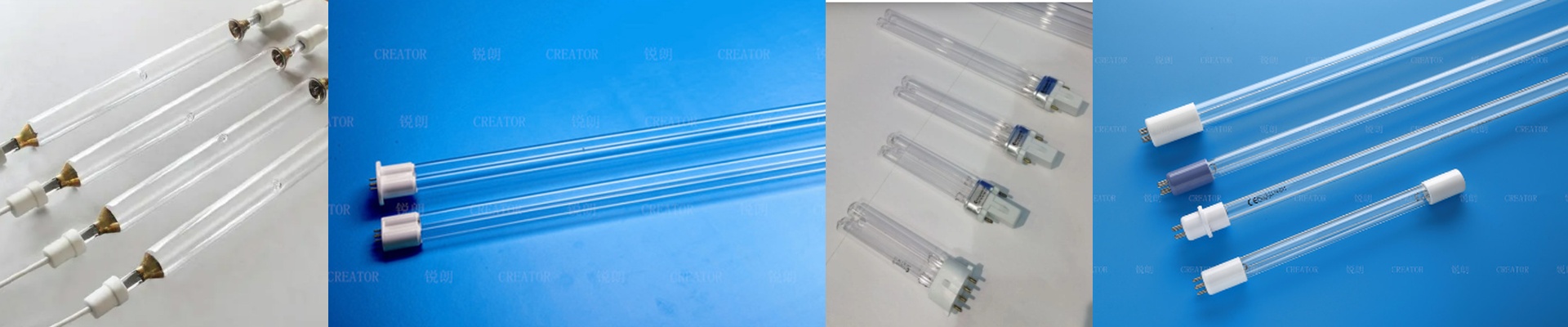
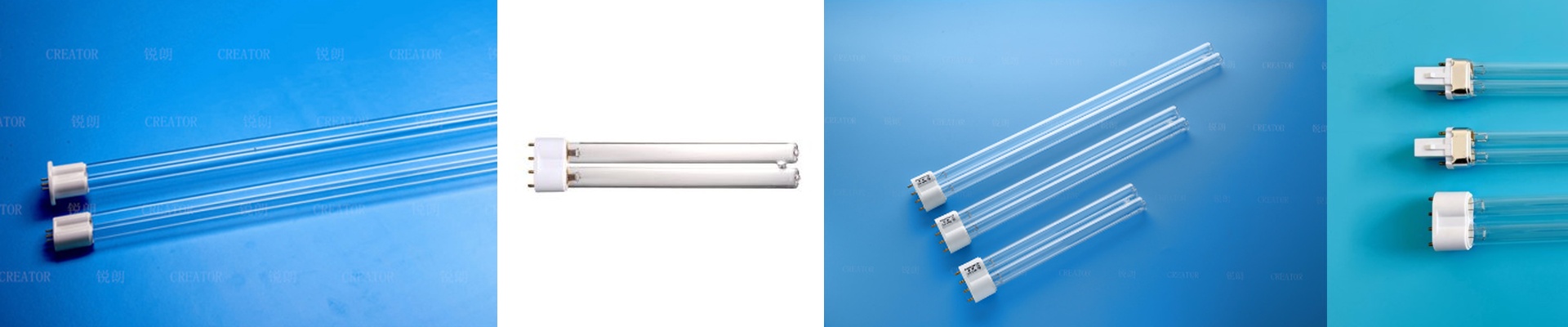
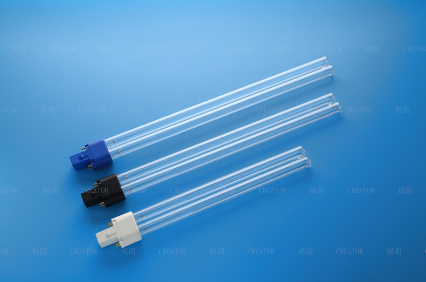
Textile shops are dusty. Fibers get everywhere. That’s why we use quartz sleeves to shield the lamps. Quartz is great because it lets the UV light slide right through without soaking up the energy. One tip: get a timed control system. If you leave the fabric under the light too long, it gets brittle. Nobody wants a shirt that feels like crackers. Then there’s the heat. Even though the UV light does the heavy lifting, these lamps still put out a lot of infrared heat. If you’re working with synthetics, that heat can actually shrink the fabric. You’ll need some solid cooling fans or water jackets to pull that heat away. If your cooling fails, you’re basically just scorching your product.
Where this actually happens on the floor
In a real-world setup, these lamps usually handle three big jobs: *Setting Ink: Digital prints dry instantly. No smudging. *Bonding: Sticking labels or reinforcements on without needing a giant heat press. *Special Coatings: Getting water-repellent or flame-retardant layers to actually stay put. And the real win? The space you save. You can trade a 20-meter long thermal oven for a UV station that’s only 2 meters long. Plus, you can stop worrying about those massive, noisy ventilation systems. It just fits into the shop much better.