Making Gallium Iodide UV Lamps Actually Smart
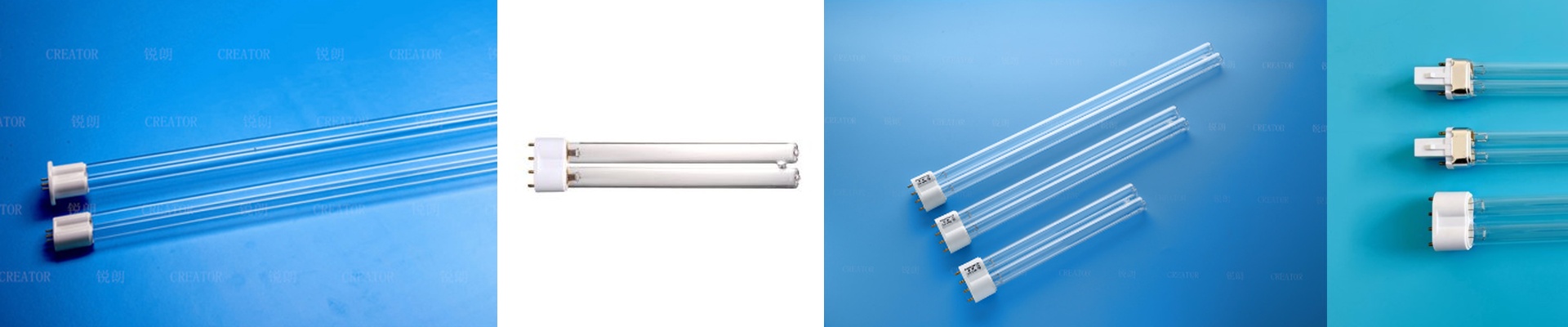
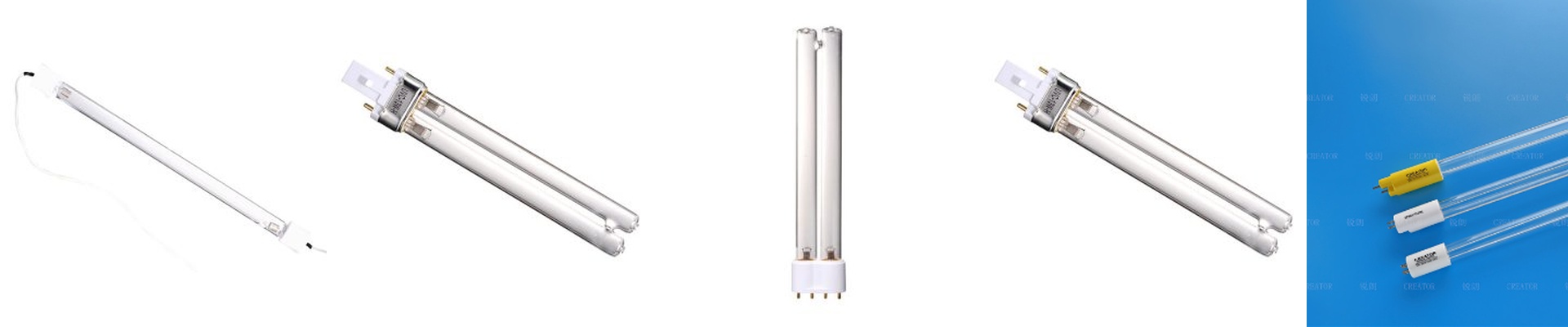
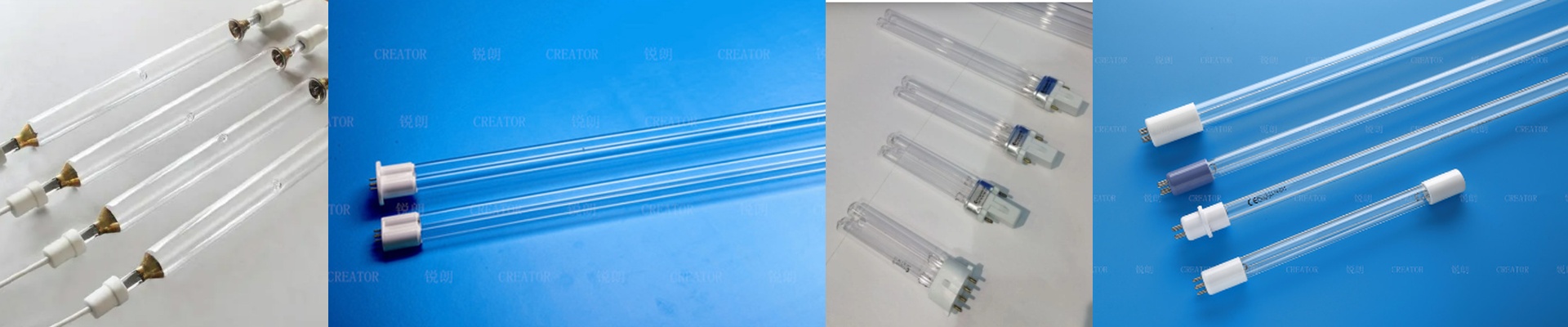
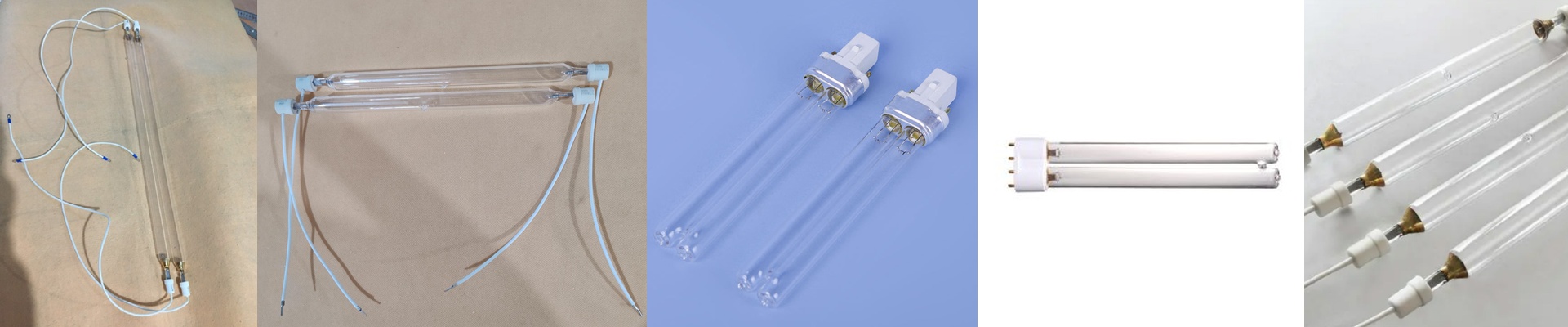
Most mercury vapor lamps just can’t hit the specific UV-A and UV-B wavelengths some jobs require. That’s where our Gallium Iodide (GaI) tubes come in. We build these for the tough stuff—high-precision curing and photochemical reactions where you need the spectral peaks to be spot on. No guesswork.
Stop Flying Blind
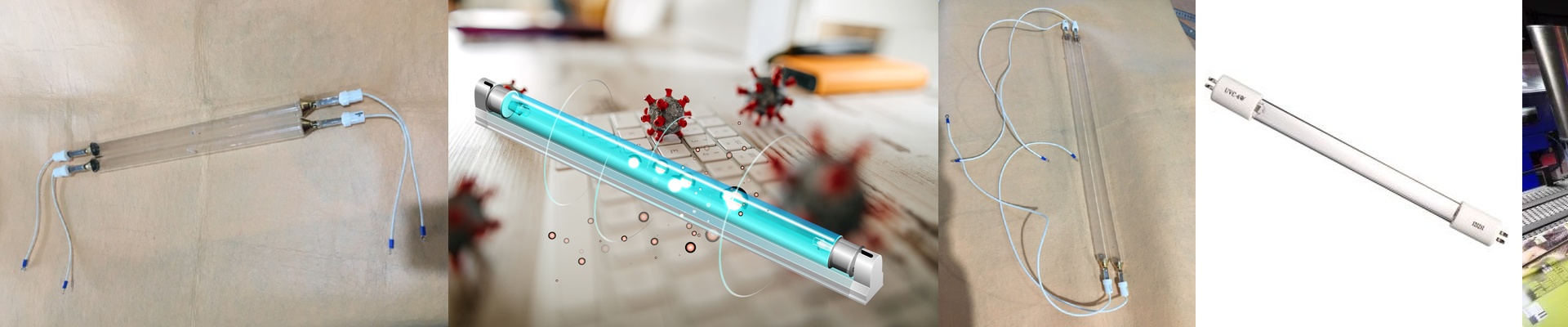
Here is the problem with most UV setups: they rely on basic timers or current sensors. It’s basically “blind” operation. You have no clue if a lamp is drifting or losing its punch until a batch fails QC and you’re staring at a pile of wasted product. We’re fixing that by putting remote energy monitoring right into the power supply and housing. By keeping an eye on power draw and spectral decay in real-time, you can see a lamp failing before it actually dies. It changes the whole maintenance vibe. Instead of swapping lamps because the calendar says so, you swap them because the data tells you it’s time.It just makes sense.
The Heat Headache
GaI lamps get hot. Really hot. When you add smart electronics to the mix, you’ve got a thermal puzzle to solve. We use high-grade quartz envelopes to soak up the heat, but we have to keep the monitoring hardware tucked away from the heat zone. If the sensors get too toasted, they drift, and your data becomes useless. And a word of advice: if you crank up the wattage to speed up your curing, make sure your cooling can keep up. If the airflow is weak, you’re going to fry the GaI salt and the circuitry a lot faster than you’d like.
Putting it to Work
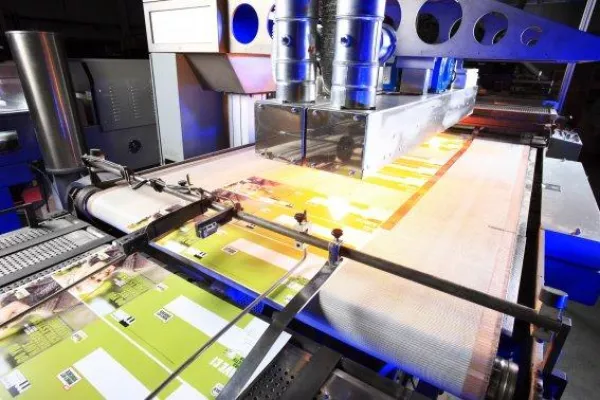
Getting these onto your floor is pretty simple. If the footprints match, it’s a drop-in replacement. The monitoring side of things talks to your PLC via Modbus or whatever you’re already using. Suddenly, you’ve got a dashboard showing exactly how many millijoules are hitting your substrate. No more running around with handheld radiometers. No more stopping the line just to check a reading. You just… know.