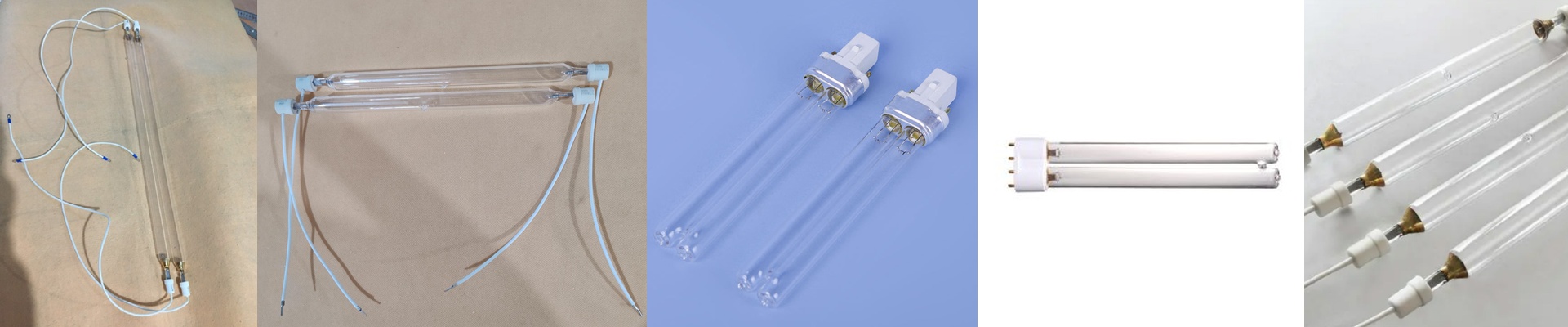
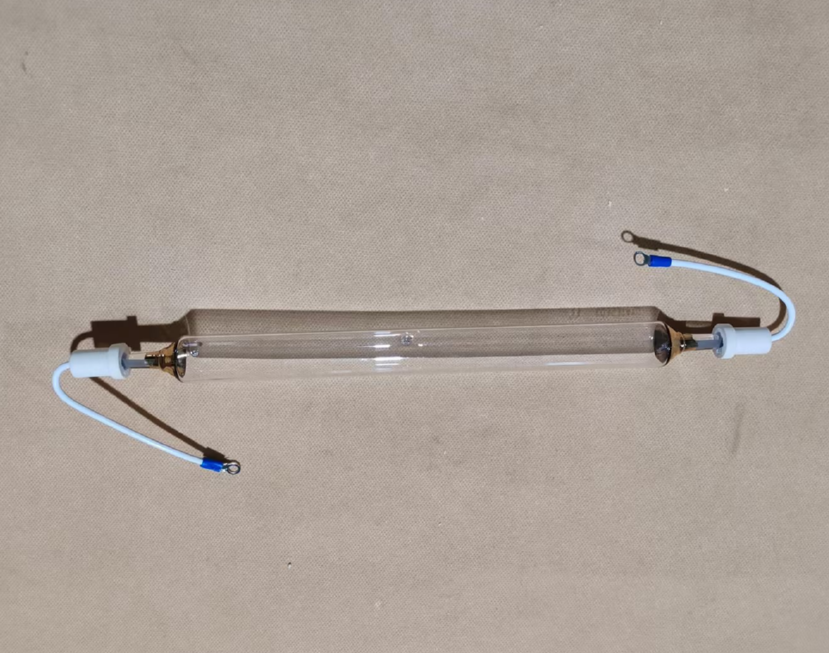
Getting the Most Out of UV Germicidal Lamps
If you’re working with UV lamps, you already know the magic number is 253.7 nm. That’s the sweet spot where the light actually hits the microbial DNA and shuts things down. Most lamps on the market just throw a general blast of UVC out there and hope for the best. We decided to do things differently. We spent our R&D time obsessing over how to squeeze that energy into a tiny 0.5% window. It sounds like a technicality, but it’s really about not wasting a single photon.
The struggle with “spectral drift”
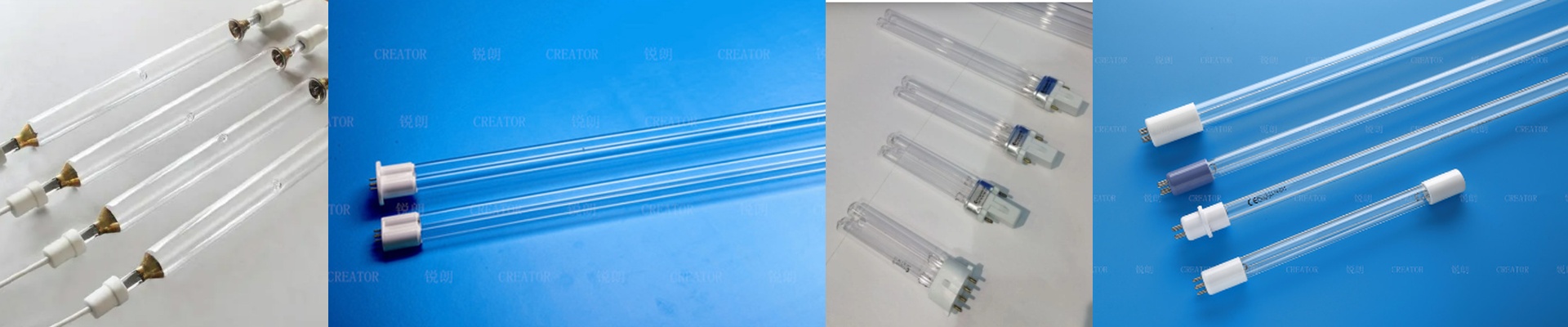
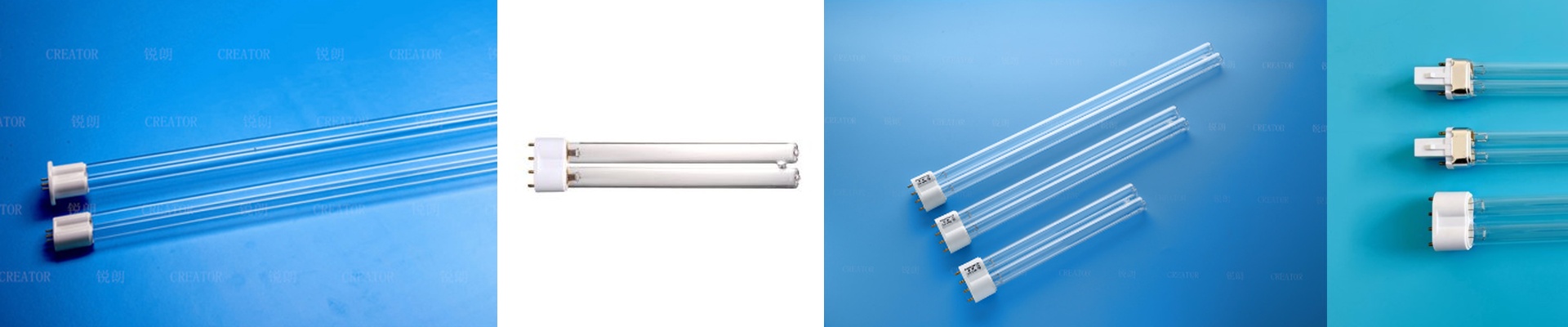
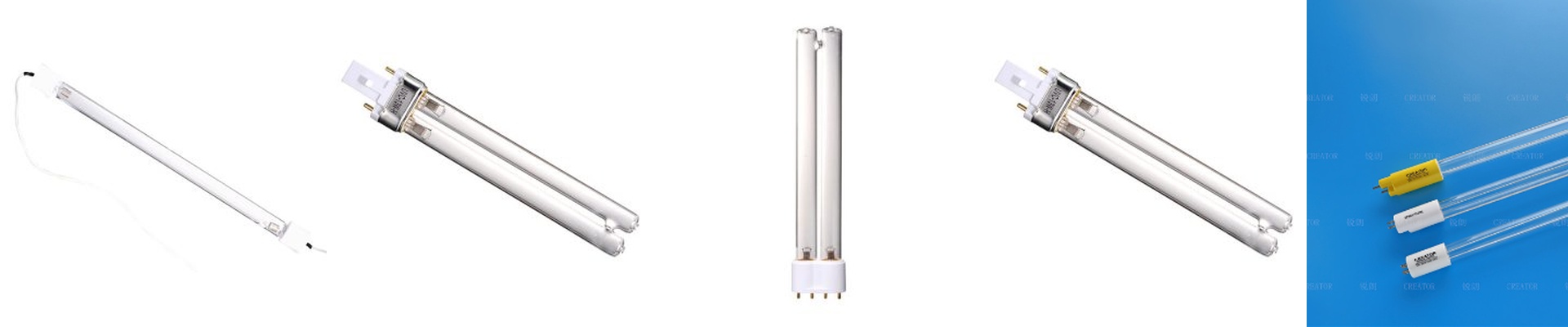
Here’s the thing: most UV lamps drift. The light spreads out. When that happens, you’re paying for energy that isn’t actually doing the work of sterilization. It’s just wasted heat. To fix this, we messed around with the gas mixtures and tweaked the electrode geometry. The goal was simple: force as much energy as possible right into that 253.7 nm peak. But we hit a wall with the glass. Standard quartz has impurities that act like a filter, eating your output before it even leaves the tube. So, we switched to high-transmittance synthetic quartz. Now, the photons actually get out into the world instead of just heating up the glass.
The trade-off (because there’s always one)
I’ll be honest with you—tightening the spectrum isn’t free. To get that 0.5% concentration, the lamp has to run at a higher internal pressure. That puts a lot more stress on the end caps. If you just plug these into any old ballast without precise current limiting, you’re going to burn out your electrodes way too fast. You’re essentially trading a bit of the lamp’s total lifespan for a massive jump in how hard it hits. For most of us, that’s a trade worth making.
What this means for your build
If you’re an engineer designing a sterilization chamber, this is where it gets interesting. Since these lamps are so much more concentrated, you can actually use fewer of them. You can shrink your footprint without losing your kill-rate. You get a heavier dose of effective UVC in a shorter window of time. Just a heads-up: these things run hotter than your standard broad-spectrum tubes. Make sure your cooling fans can handle the extra heat, or you’ll be dealing with a different kind of problem.