A Smarter Way to Handle UV Curing in Your Shop
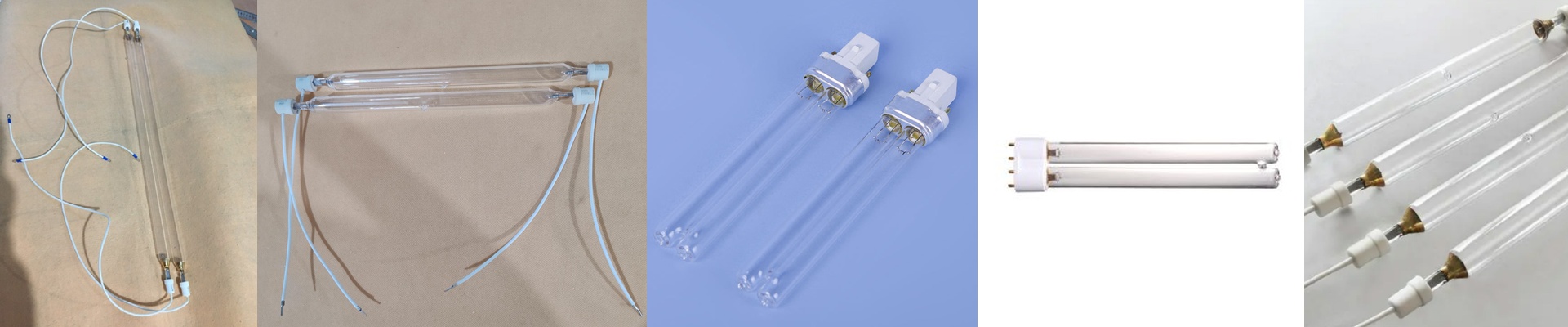
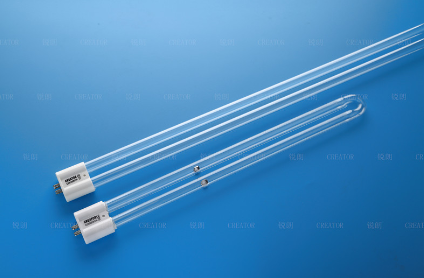
Let’s be honest: most industrial UV curing tunnels are overkill. They’re massive, they cost a fortune, and they take up way too much room. If you’re running a small or mid-sized shop, you don’t need a giant, fixed machine that dictates how you work. You need something that actually fits your space. That’s why we went with a modular approach. The beauty of modularity Most systems force you to change your entire workflow just to fit the machine. We did the opposite. With a modular setup, you can just add or remove lamps depending on what you’re printing. Running a thicker ink? Add a module. Need to crank up the conveyor speed? Throw in another lamp to keep that cure consistent. It means you aren’t wasting power on oversized lamps that might scorch your materials, and you aren’t wasting precious floor space on a machine that’s bigger than it needs to be. Dealing with the heat Here is the tricky part: high-wattage UV lamps get hot. Really hot. While the UV light is doing the heavy lifting to dry your ink, the infrared heat can be a problem. If you’re working with thin plastics or PET films, the wrong distance can warp your project in seconds. You have to find that sweet spot between lamp intensity and your cooling fans. If you just blast the lamps at max power in a tight space, you’ll fry the electrodes and kill your lamp life way faster than you should. It’s all about balance. Maintenance that doesn’t suck There is nothing worse than a dead bulb bringing your entire production line to a screeching halt while you wait for a specialist to come fix it. We built these systems so you can just swap parts out. No engineering degree required. We used standard connectors and brackets, so when a bulb goes, you can pop a new one in and get back to work in a few minutes. You get industrial-grade results without the million-dollar price tag or the headache of proprietary parts. It just works.