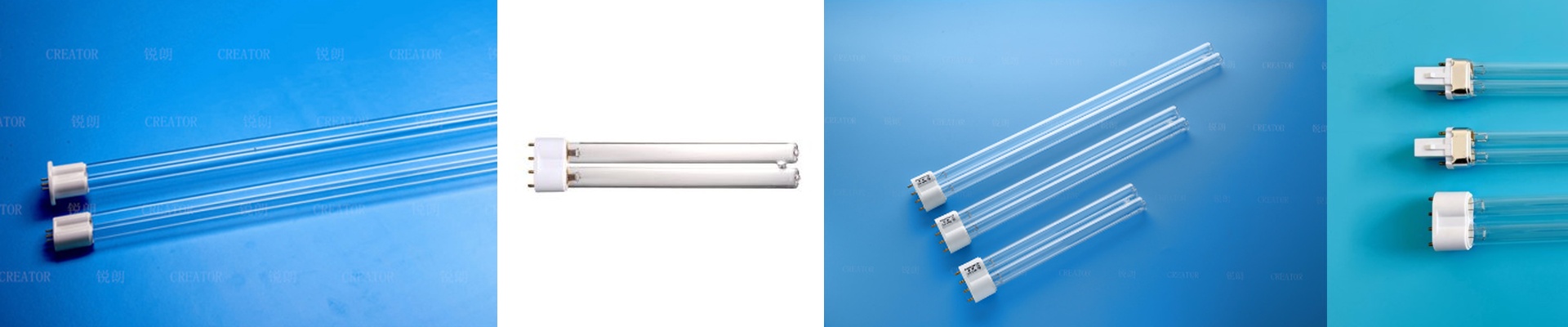
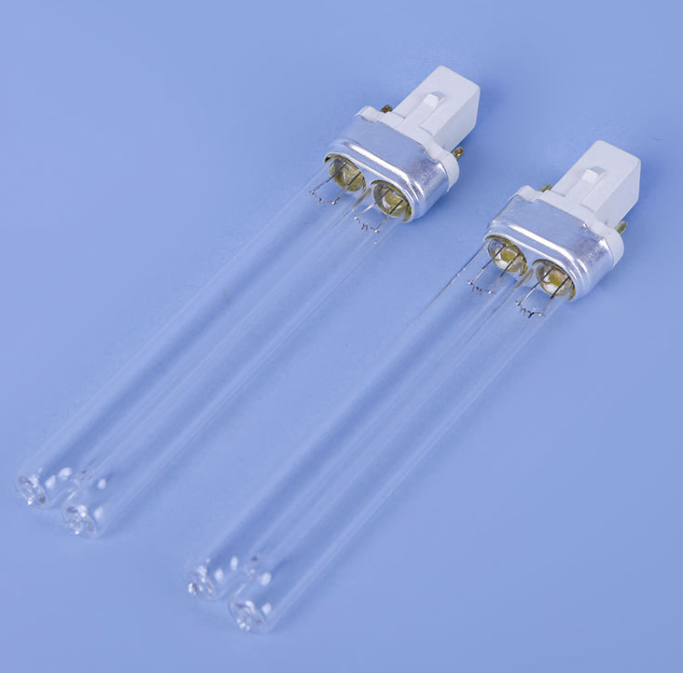
Why “Blind” UV Lamps are a Headache (and How We’re Fixing It)
Most UV lamps are basically blind. You plug them in, they glow, and you just… hope for the best. You either wait for a scheduled maintenance date or, more likely, you wait for the lamp to totally burn out before you realize the output has been dropping for weeks. It’s a guessing game, and it’s a stressful one. We’re changing that by putting remote energy monitoring right into the circuitry. Getting a pulse on your hardware Forget simple timers. We’ve started putting current and voltage sensors directly at the ballast level. This lets us track power consumption in real-time. Here’s the thing: when the wattage dips, it’s usually a sign that the electrodes are wearing out or the quartz sleeve is getting dirty. Instead of wondering if your lamp is still doing its job, you get an actual number. You know exactly where you stand. How it actually works We pair the lamp with an IoT controller that keeps an eye on the power draw. That data then travels via Modbus or MQTT to a dashboard you can actually read. It’s not just about checking if the light is “on” or “off.” It’s about watching the energy curve. You can see the exact moment a lamp starts to flicker or drift. This means you can swap out parts based on how much they’ve actually been used, not just because a calendar told you to. The honest trade-offs Now, it’s not all magic. Adding this gear means your electrical cabinet will be a bit bigger. You’re also going to need a steady network connection on your factory floor to get the data to your screen. And a quick heads-up: if your facility is packed with huge motors that create a lot of electromagnetic interference, you’ll need shielded cabling. Otherwise, you’ll get “ghost readings” that’ll make you think there’s a problem when there isn’t. Stopping the “Panic Repair” The real win here is the peace of mind. Remote monitoring turns those frantic, reactive repairs into a calm, planned swap. Instead of your whole line grinding to a halt because a UV stage died, you’ll spot the failing tube a week before it quits. You can just wire up the replacement during your next planned break. No surprises, no product contamination, and no middle-of-the-night emergencies.