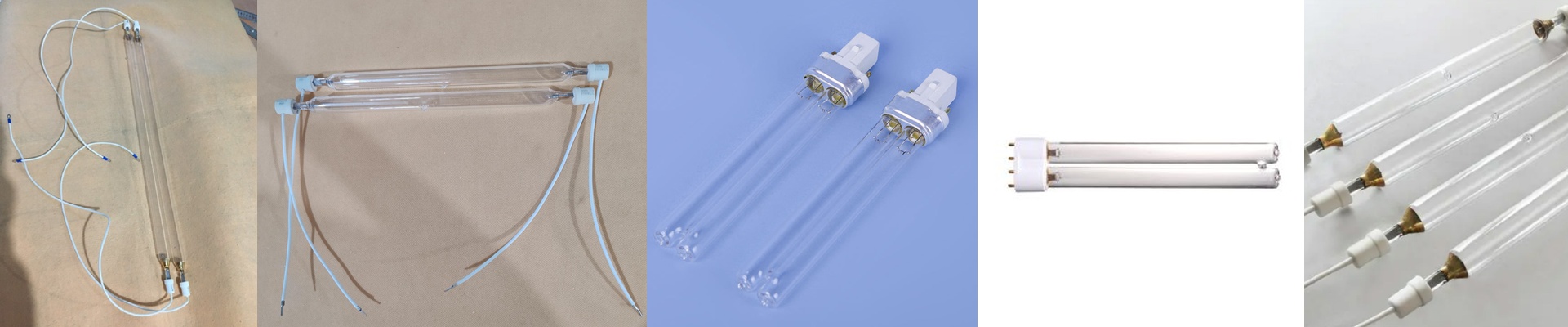
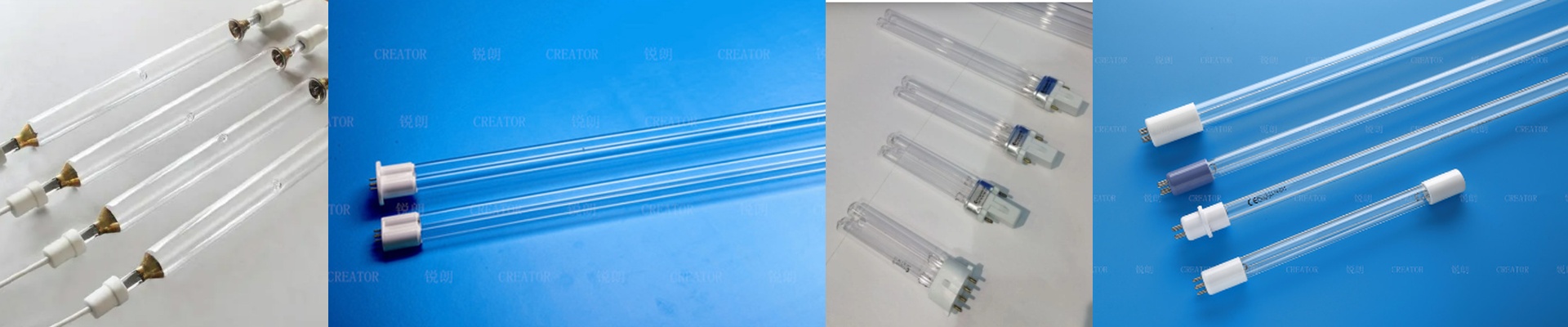
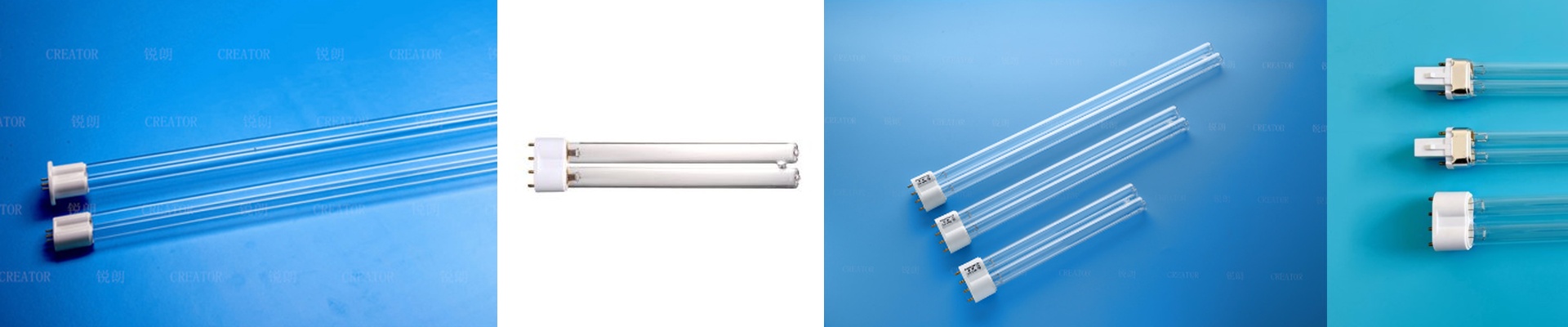
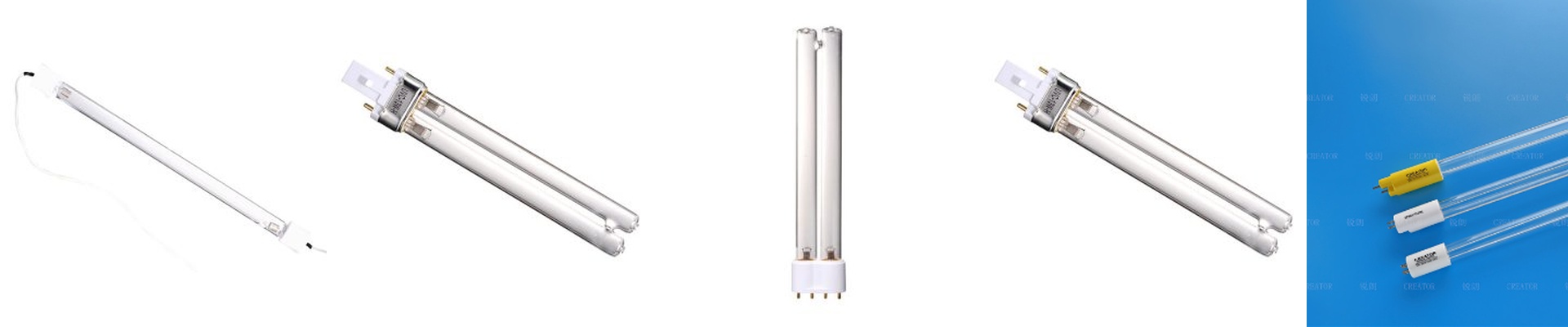
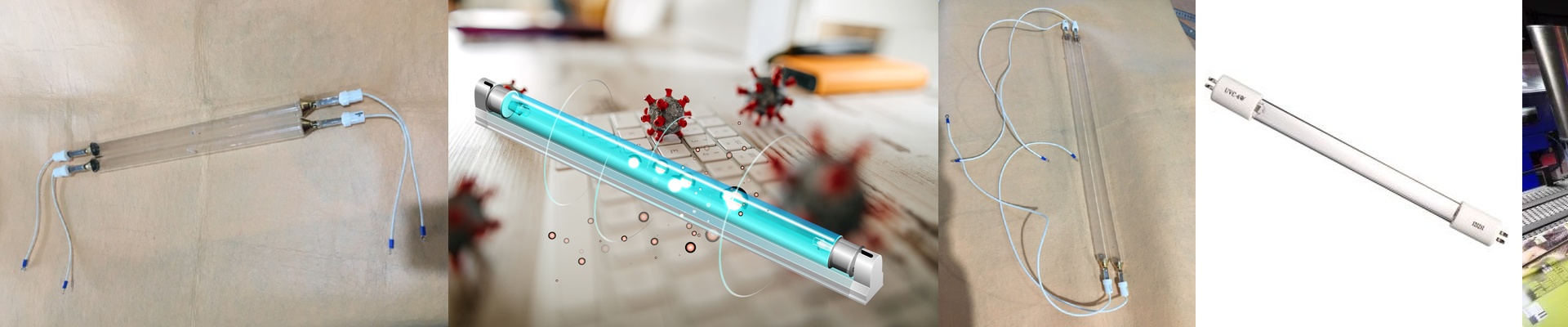
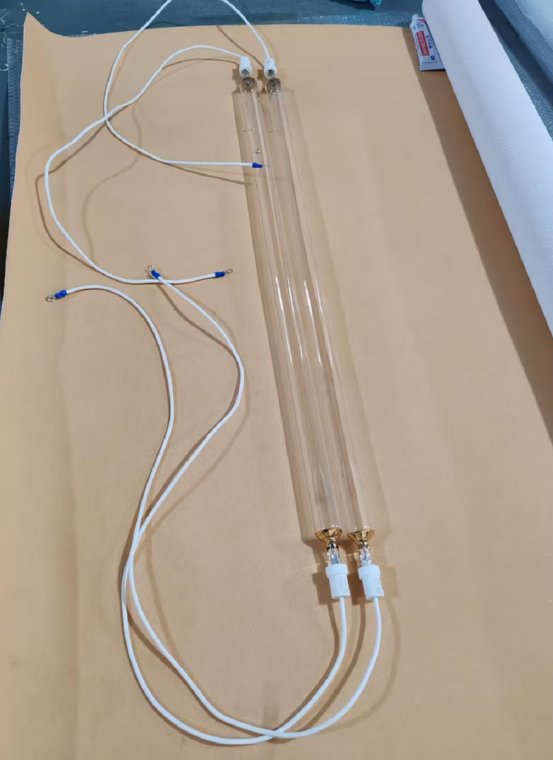
Getting More Life Out of Your Mercury UV Tubes
Mercury UV tubes are basically the heavy lifters of industrial drying. When we design these things, we’re focusing on one main goal: hitting that sweet spot in the light spectrum that kicks the ink or coating into gear. You want a cure that happens fast, but you don’t want to accidentally fry your materials in the process.
The Nitty-Gritty on Output
It really comes down to the tug-of-war between wattage and the length of the tube. If you cram more wattage into a smaller space, you get a punchier UV intensity. That means your line moves faster. To make sure the glass doesn’t get cloudy or “solarize” after a few hundred hours, we use high-purity synthetic quartz. It keeps the light coming through clear and strong, so you aren’t losing power just because the glass is getting old.
Making Them Last
There’s no secret sauce here—it’s all about heat and wear. We use specific coatings on the electrodes so the mercury doesn’t vanish too quickly. This stops that annoying flicker you see right before a lamp dies and keeps the light steady from one end to the other. One quick tip:**check your ballasts.**They need to be tuned exactly to the starting voltage of the tubes. If they’re off, you’ll chew through your electrodes way faster than you should.
Keeping Your Line Moving
If you’re in e-commerce or consumer goods, your volume probably jumps all over the place. You can’t afford to have your whole operation grind to a halt because you’re waiting on a part. That’s why we keep our most popular specs on the shelf and ready to ship. It turns a potential headache into a simple “swap and go” situation. Just a heads-up though—high-output lamps gethot. Really hot. If you crank up the wattage to speed up production, make sure your fans or water-jackets can actually handle the heat. If they can’t, you might find your conveyor belt warping, and that’s a mess nobody wants to clean up.