Getting Industrial UV Curing Right
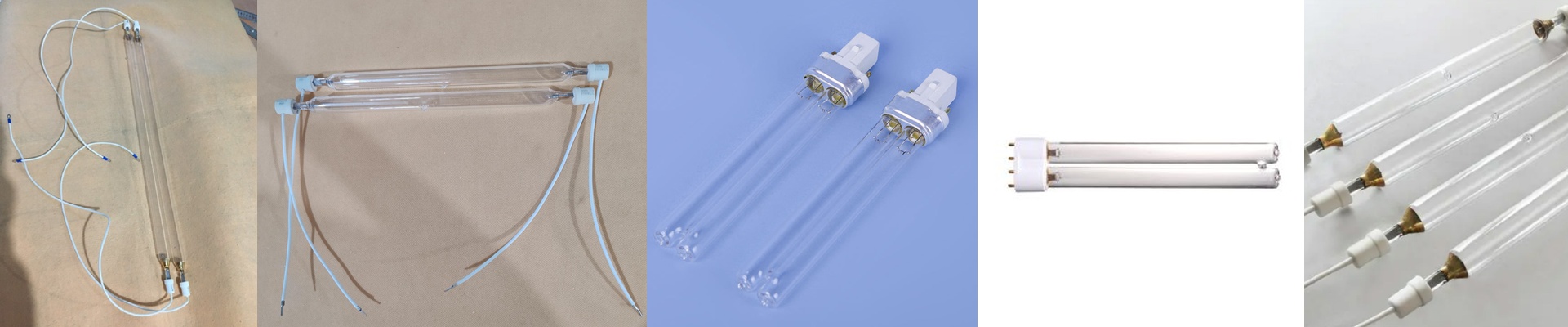
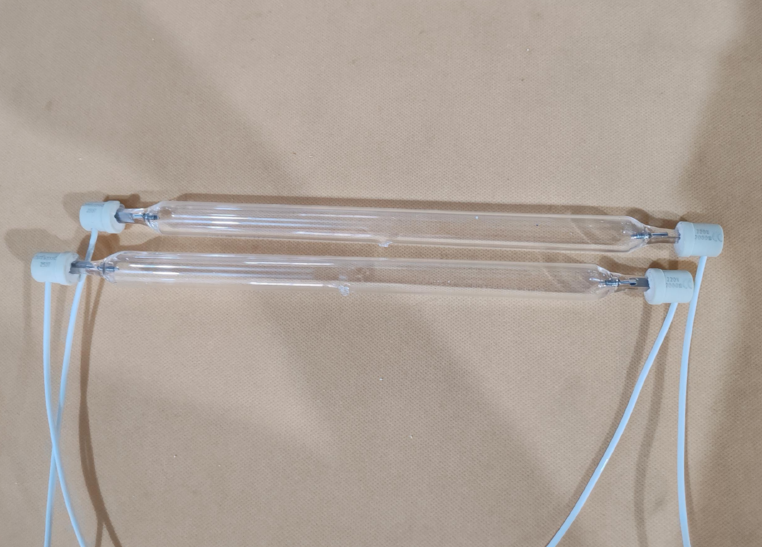
We don’t just slap together some off-the-shelf bulbs and call it a day. When you’re running a high-speed printing line, you can’t afford for the ink to stay tacky. That’s why we build our mercury UV modules as precision tools. They’re designed to do one thing: snap those inks and coatings from liquid to solid instantly, so your production doesn’t grind to a halt.
The Nitty-Gritty of Mercury Vapor
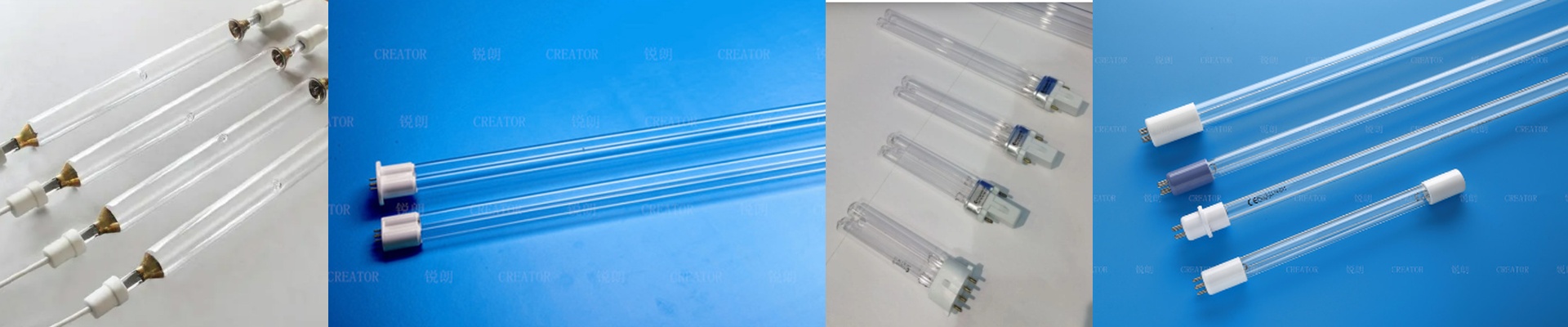
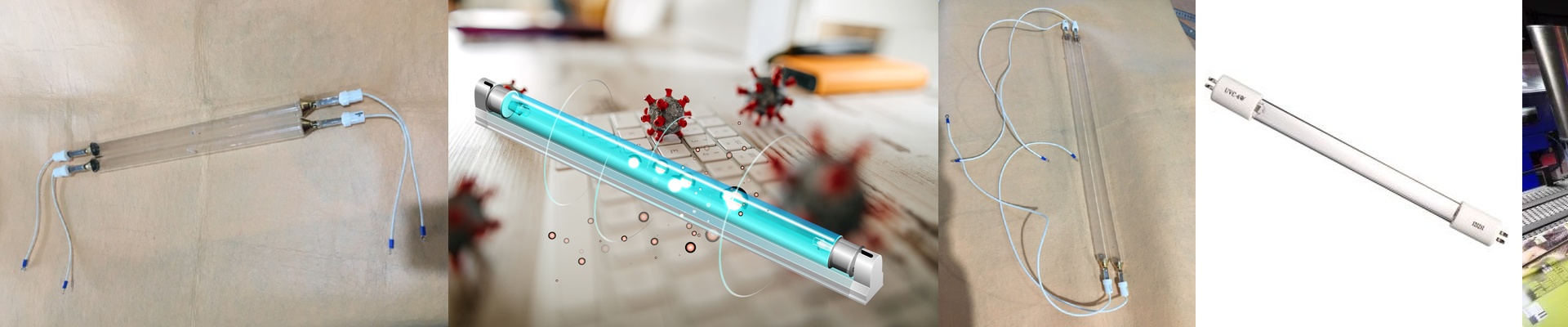
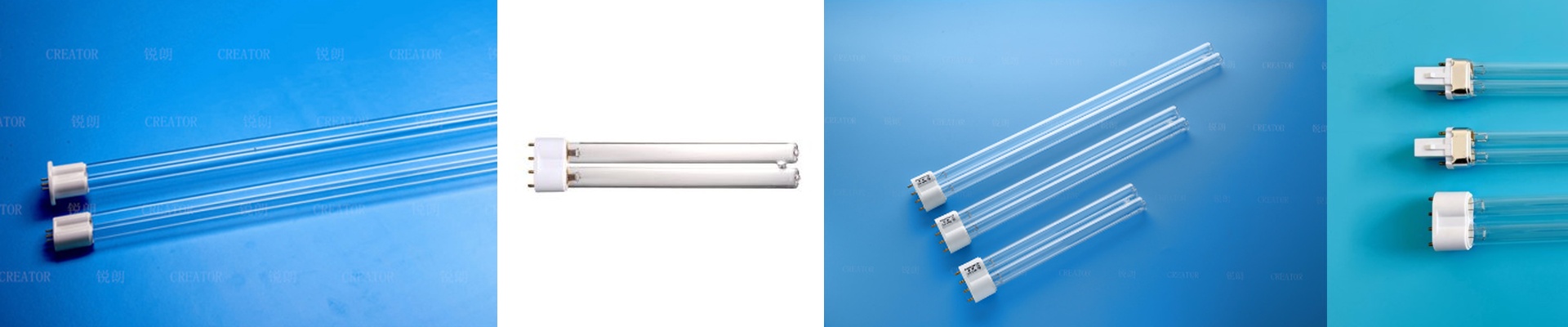
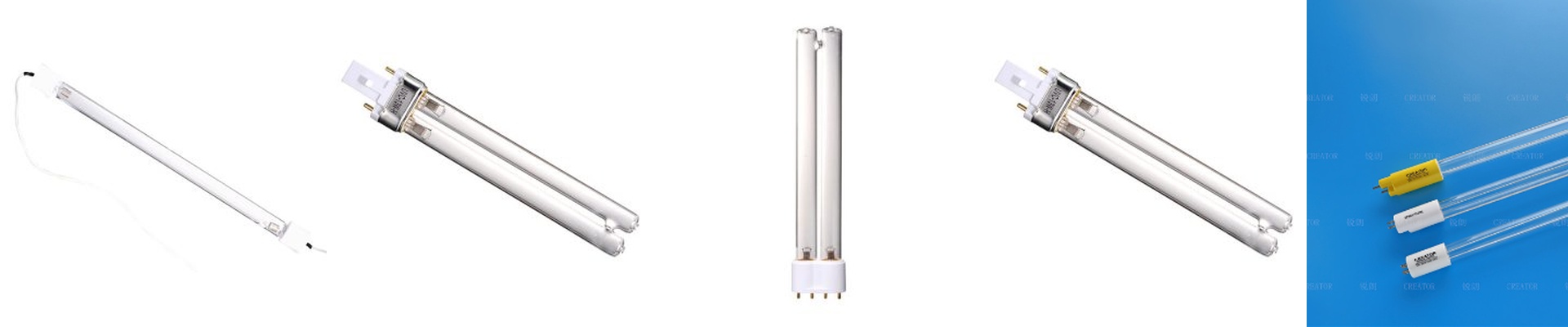
Here is how it works. We use high-pressure mercury discharge, specifically tuned to hit those 254nm and 365nm peaks. That’s the “sweet spot” that makes the chemistry happen in milliseconds. But every shop is different. If your conveyor is flying, we might go with a longer tube to give the ink more time under the light. Or, we’ll bump up the wattage to hit it harder. One heads-up: your power supply has to be a perfect match for the bulb’s impedance. If you under-drive them, the curing gets sluggish. Over-drive them? You’ll fry the electrodes way too soon. It’s all about that balance.
Building Something That Lasts
Mercury lamps gethot. Like, dangerously hot. To handle that, we house everything in custom-machined aluminum. It acts as a massive heat sink, pulling the heat away so the quartz envelope doesn’t stress out and crack. We use high-grade fused quartz because it lets the UV light through without breaking a sweat under thermal shock. And we know you don’t have time to spend hours rewiring a cabinet. We use heavy-duty connectors that can handle high voltage without arcing, making these basically “drop-in” replacements for your current press. Swap it out and get back to work.
The Trade-offs
Look, high-intensity UV output isn’t magic—it comes with a price. That heat density is intense. You’ve got to make sure your cooling fans or water-jackets can actually handle the BTUs the lamp is pumping out. If the airflow isn’t there, you’ll see your substrate warp before the ink even has a chance to cure. It’s a tough reality of high-speed processing, but getting the cooling right is the only way to keep the quality where it needs to be.