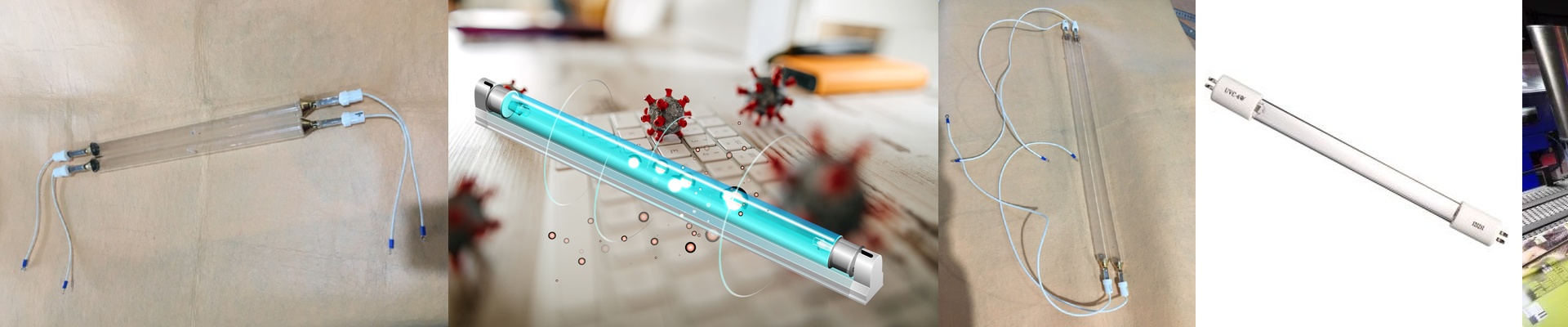
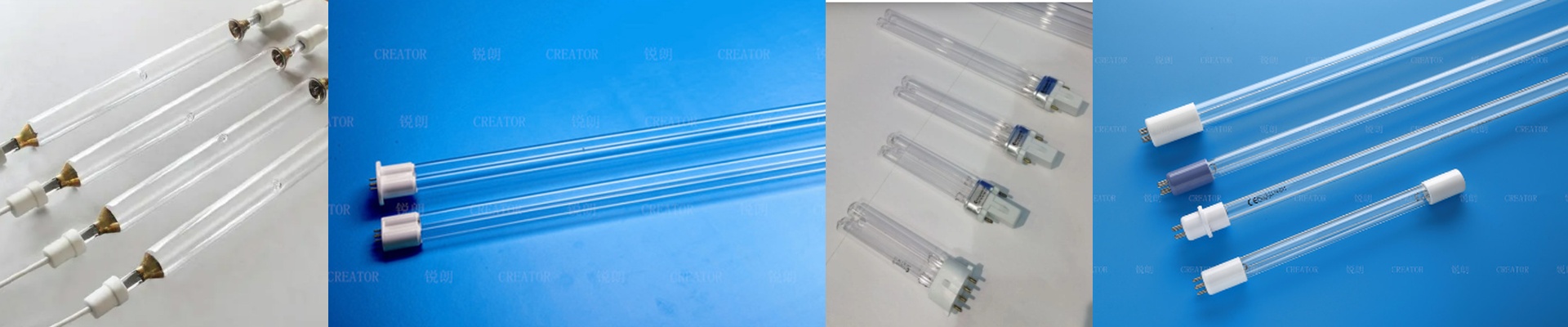
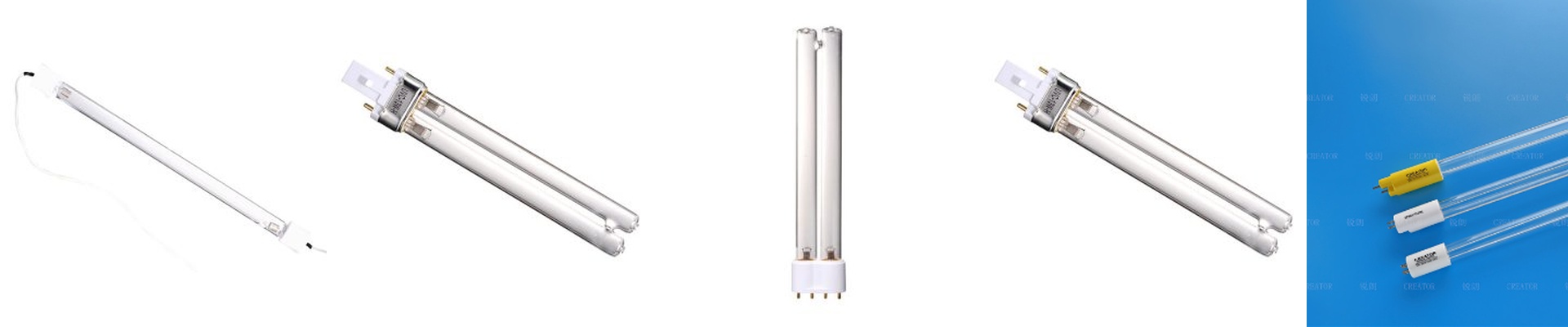
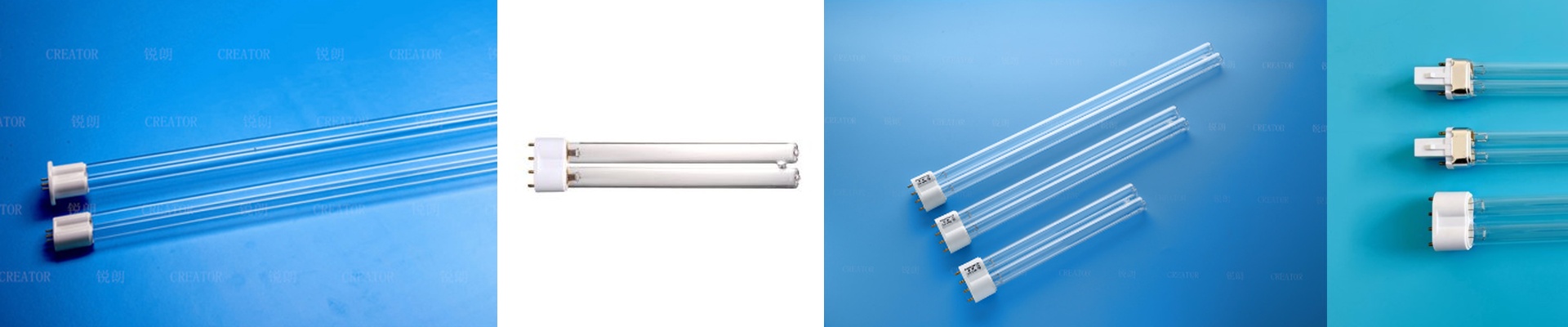
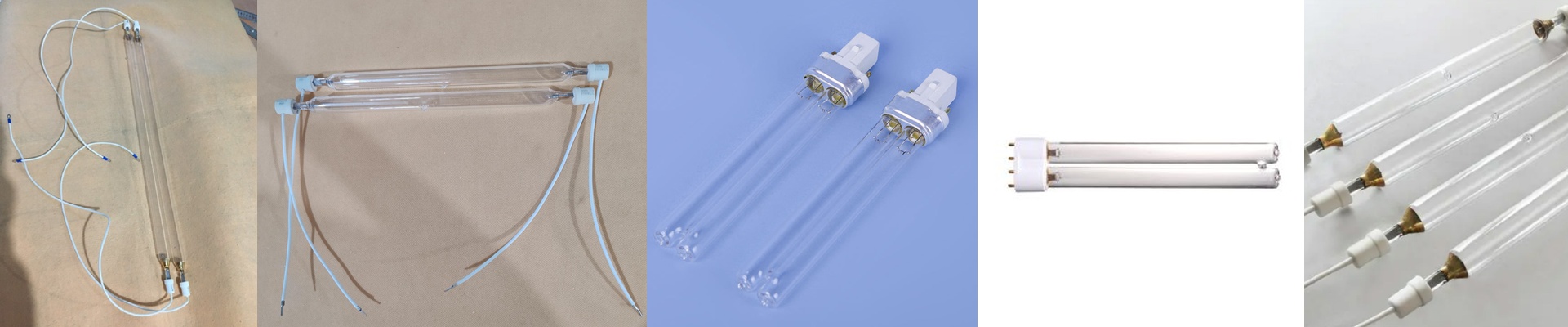
Let’s Talk About Why Your UV Lamps Actually Fail
We spent some time hitting the road and visited 3,000 printing plants. We wanted to see where these UV systems actually fall apart in the real world. Turns out, it’s rarely the bulb itself. The real headache usually comes from a mismatch between what the lamp is putting out and how fast your press is running. Looking ahead to 2026, the industry is moving away from just “blasting more wattage” and focusing more on keeping things cool and precise.
The Heat Struggle
Here’s the thing: to cure ink instantly, you need high-intensity UV-C. But there’s a catch. When you crank up the wattage per centimeter to speed up your line, you’re basically turning your curing chamber into an oven. If your chillers can’t keep up with that heat, the lamp starts to struggle. The light shifts, the ink doesn’t cure properly, and suddenly you’ve got a mess on your hands. We build our lamps to stay steady, even when the air around them gets scorching. It just works.
The Secret is in the Glass
We use high-purity synthetic quartz. Why? Because regular glass absorbs too much of the UV light. By using the good stuff, we make sure the photons actually hit the substrate instead of getting trapped in the tube. And for the heavy-duty industrial stuff, we tweak the electrode dopants. It’s a small detail, but it means your light stays consistent for over 2,000 hours. You won’t have to stop a big run just to swap out a dying lamp.
Power vs. Lifespan (The Great Trade-off)
You’ve probably felt this tension before. If you run a lamp at absolute max power, your throughput goes through the roof. But you’re also eating away at those electrodes. It’s a choice: do you push the press to the absolute limit today, or do you want to avoid a maintenance nightmare next week? We usually suggest a middle ground. Find that sweet spot where the ink cures perfectly, but you aren’t burning out your filaments. It keeps your downtime low and your stress levels lower.