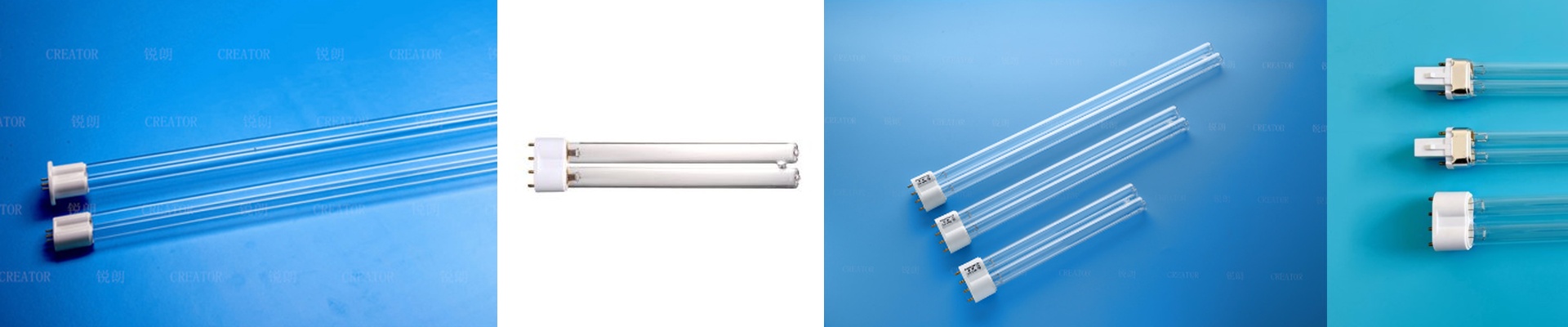
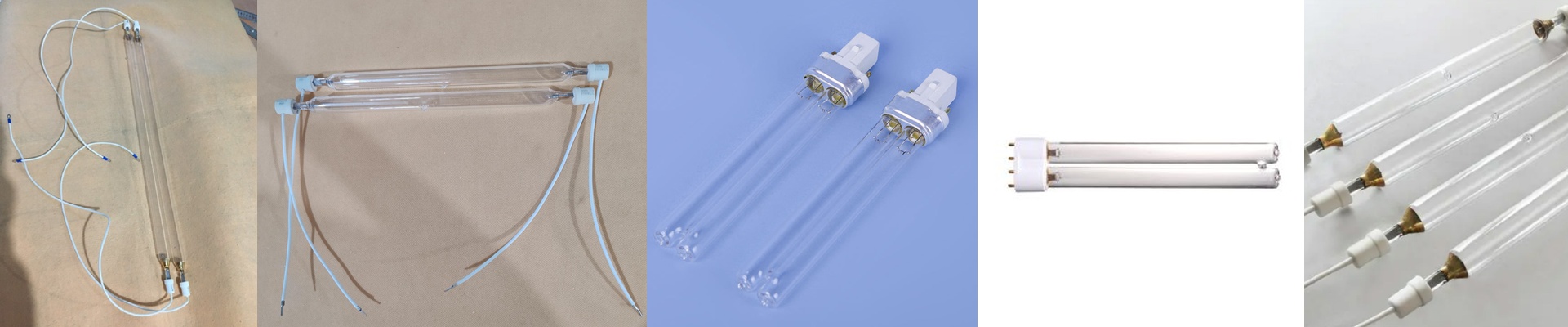
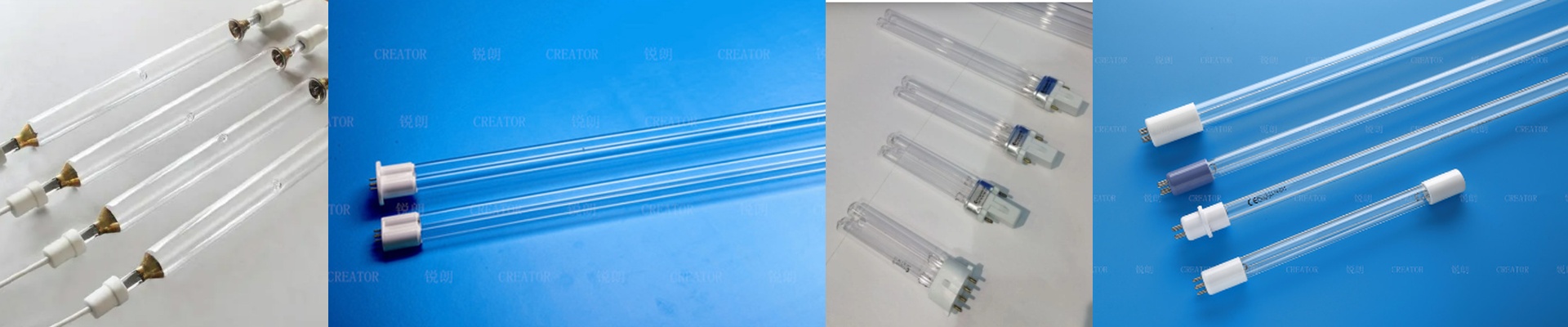
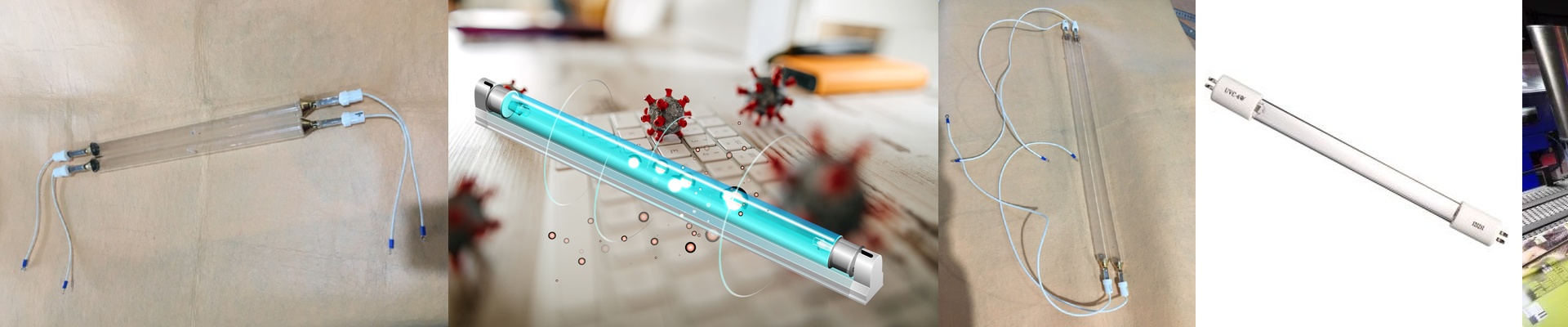
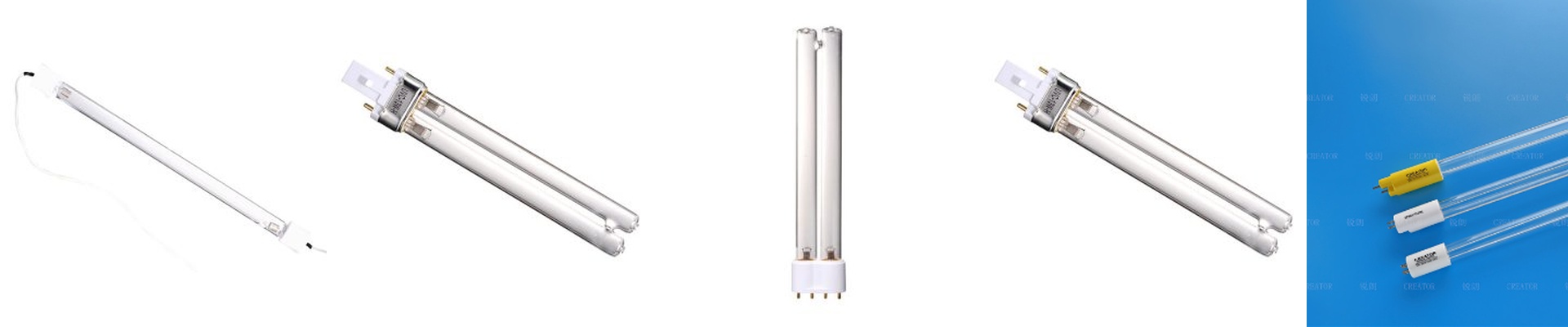
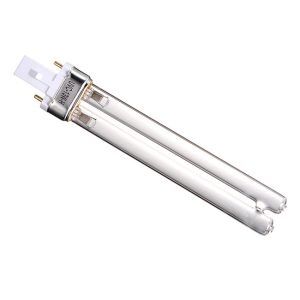
Let’s talk about UV lamp modules (and why the details matter)
We spent some time at the 2026 Printing Exhibition showing off our custom UV lamp modules. Now, these aren’t your typical bulbs you’d pick up at a hardware store. We build these specifically for the heavy lifting—industrial ink curing and surface sterilization—where you need raw power but can’t afford to put your team at risk. The safety side of things Here’s the deal: UV-C radiation at 254nm is incredible for killing germs, but it’s brutal on skin and eyes. We don’t leave that to chance. Our modules come with built-in shielding and interlocking sensors. If a panel pops open? The power cuts instantly. We also use high-purity fused quartz for the envelopes. Why? Because cheap glass basically acts like a wall, blocking the UV output. Fused quartz lets it fly right through. Dealing with the heat High-wattage lamps get hot. Really hot. If you don’t manage that heat, your electrodes will burn out way too fast. To stop that, we use aluminum heat sinks to pull the heat away from the base and design the wiring to handle the stress of running 24/7. Just a heads-up: make sure your ventilation can keep up. If the heat builds up, your UV intensity will dip, and you’re back to square one. Swapping them out Nobody wants to spend half a day rewiring a machine because one part failed. That’s why we went with a plug-and-play footprint. You can swap a module in a few minutes and get back to work. Plus, we standardized the connectors, so you don’t have to worry about plugging things in backward. One thing to watch out for There is a catch. High-intensity UVC is aggressive. It doesn’t just hit the ink or the bacteria; it eats through certain plastics and seals over time. If you’re using standard rubber gaskets in your chassis, they’ll probably crack and fail within a few months. Do yourself a favor and use UV-resistant gaskets. It saves you from a messy breakdown later on.