Keeping Your Printed Fabrics Clean with UV-C
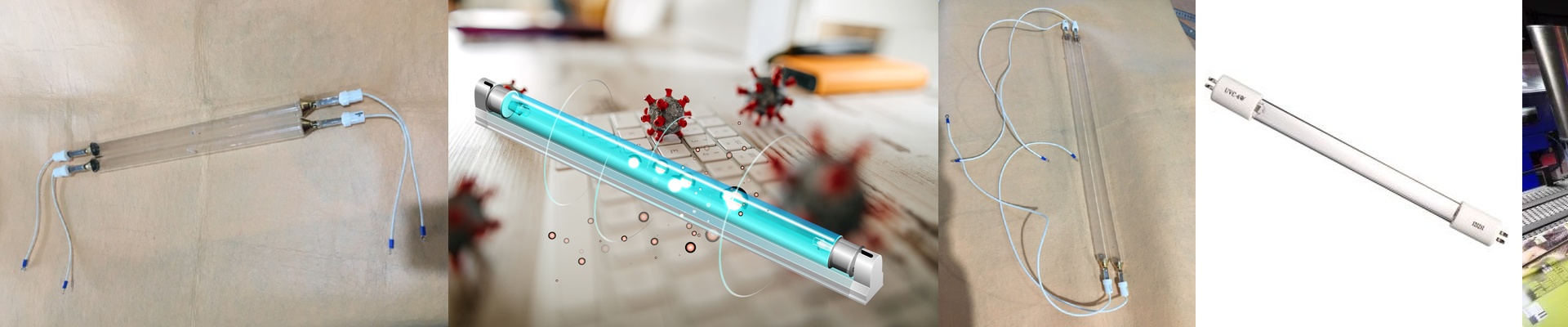
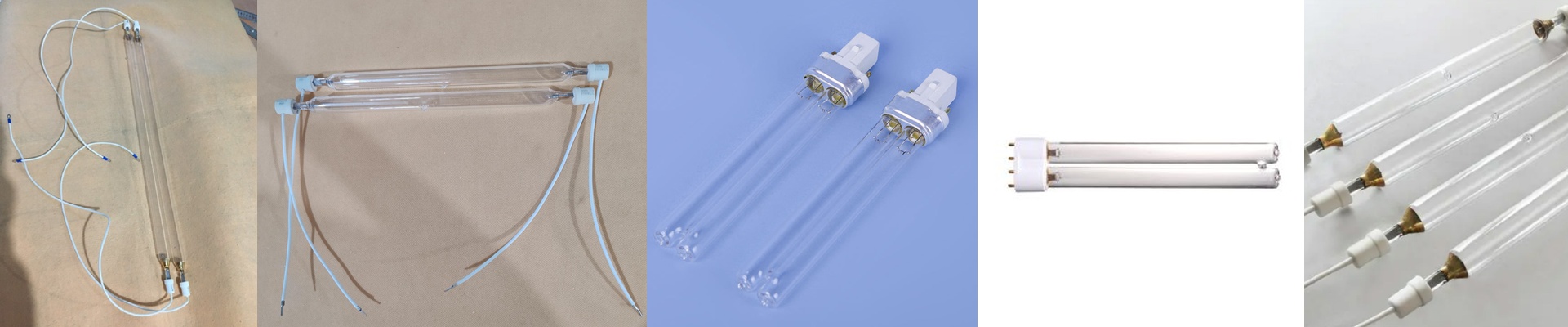
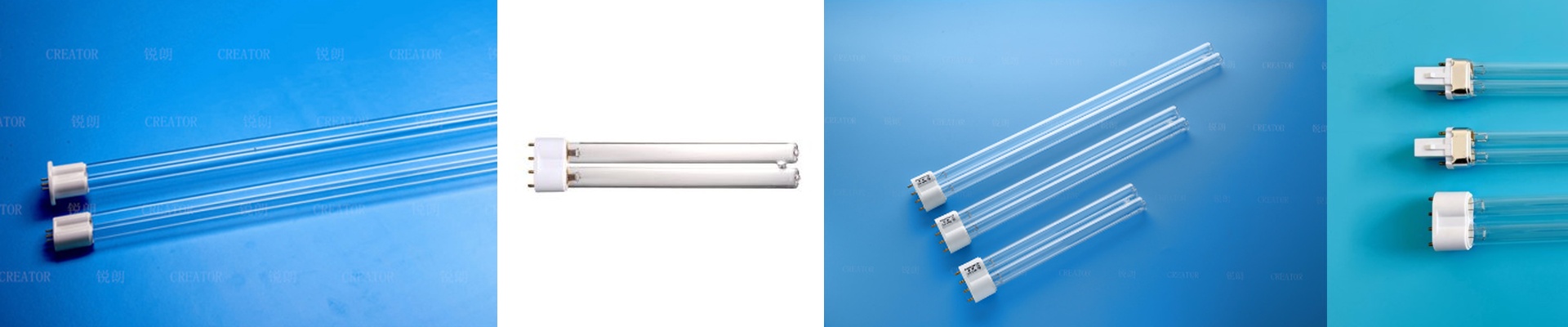
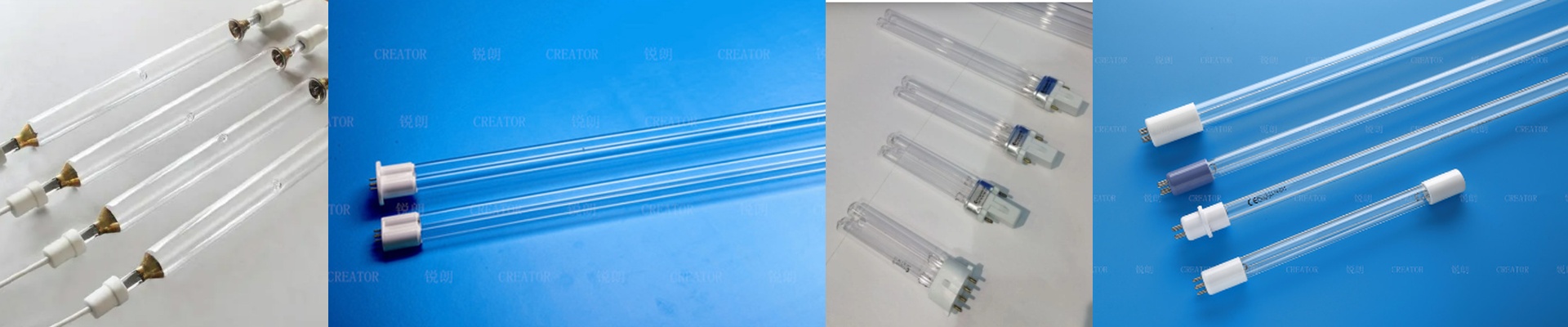
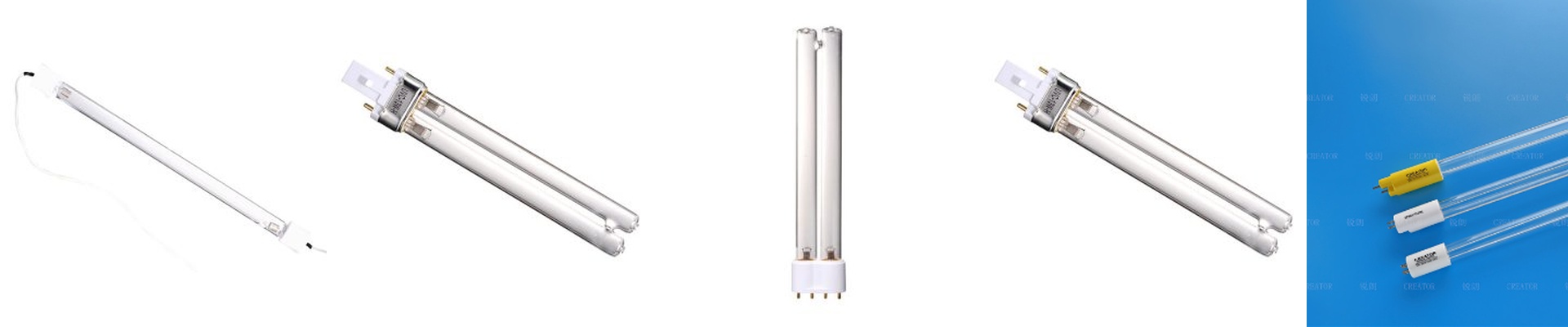
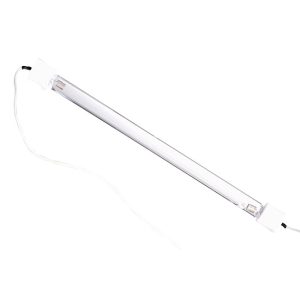
If you’re running a high-volume textile line, you know the nightmare of microbial contamination. One bad batch of bacteria or a few stubborn spores, and suddenly your finished goods smell off or the fabric starts to break down. It’s a disaster. That’s where our germicidal UV bulbs come in. Think of them as the final safety check before your fabric heads out the door. The science part (but kept simple) These bulbs hit a very specific sweet spot—253.7nm. At that wavelength, the light basically breaks the DNA of germs so they can’t multiply. Now, you can’t just use any glass for this. Standard glass actually blocks UV light. That’s why we use high-purity quartz. It lets the UV rays blast through without losing power, giving you a steady, reliable stream of light across the whole tube. Getting them installed We didn’t want to make your life harder, so we built these to be “drop-in” replacements. If you’ve already got sterilization tunnels or curing racks, these should slide right in. We use standard G13 pins, so you won’t be fighting with your wiring. One thing we really obsessed over is the electrodes. We know these lines start and stop constantly. Most bulbs burn out quickly under that kind of stress, but ours are built to handle the cycle. And here is the real trick:consistency. If you have twenty bulbs in a row and just one of them is weak, you get “dark spots” where bacteria can slip through. To stop that from happening, we match our bulk batches for spectral output. Every bulb pulls its weight. A few things to watch out for It’s not all plug-and-play; you have to be mindful of the heat. High-intensity UV gets hot. If your fabric is too close to the tube, you might mess with the dyes. It’s a balancing act. If the conveyor moves too slowly, you risk overheating the material. Too fast? You won’t kill the germs. You’ll need to play around with your gap distance and belt speed to find that perfect middle ground. Plus, I’d suggest using a timed ballast. It manages the duty cycle, which keeps the filaments from wearing out too fast. It’s just a smarter way to make your gear last longer.