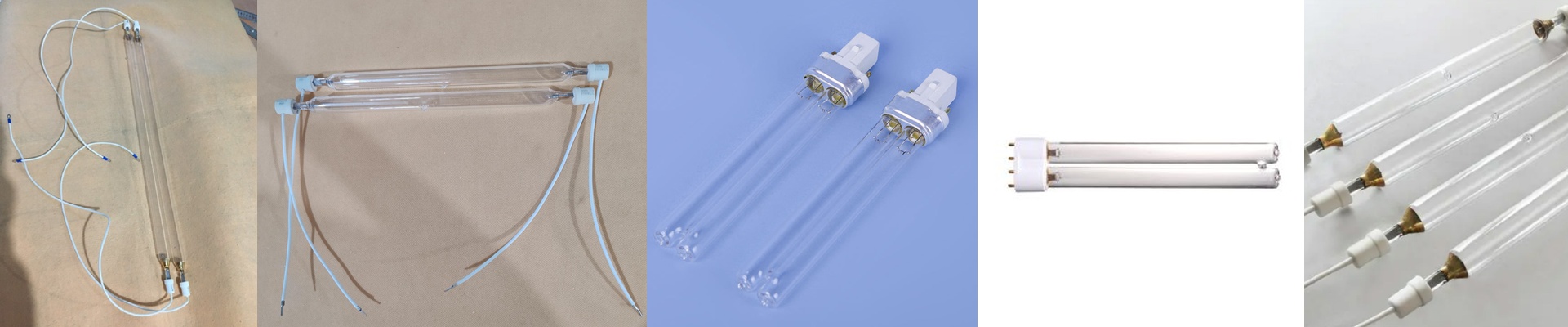
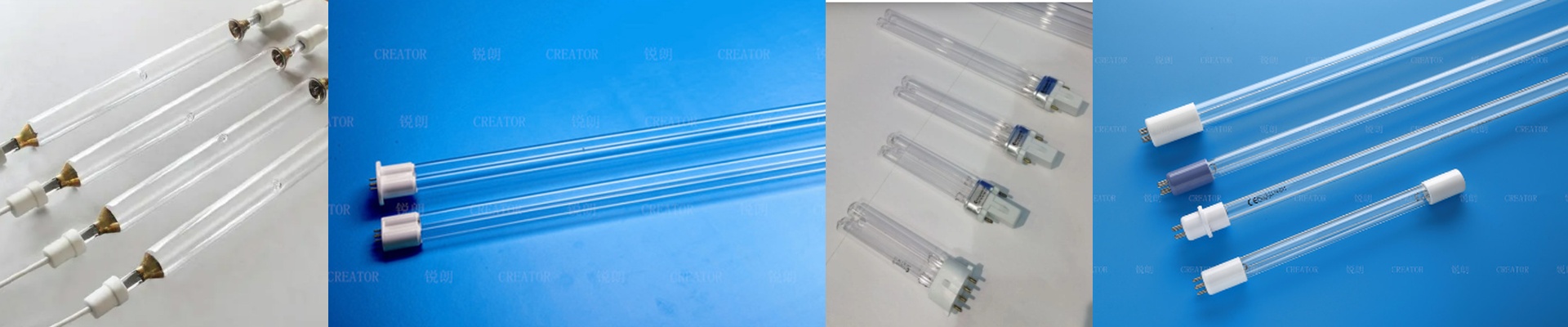
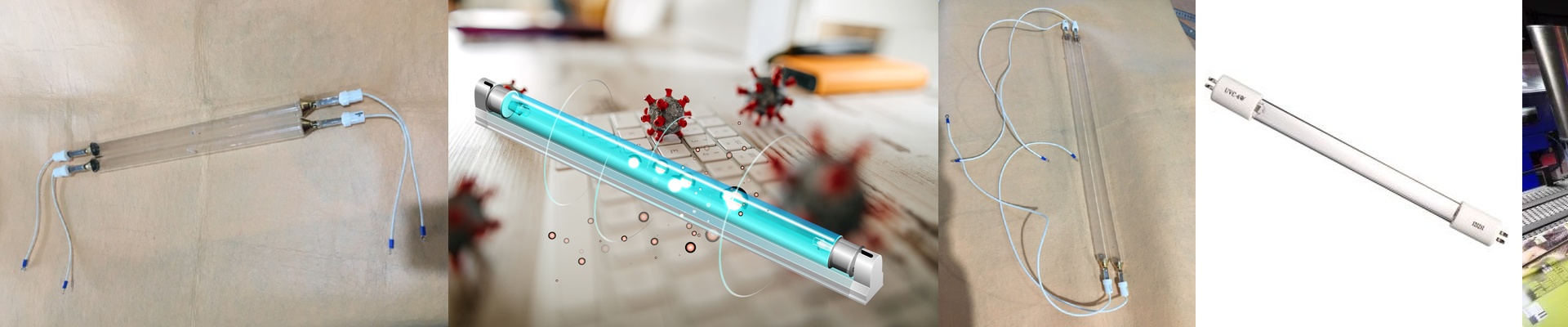
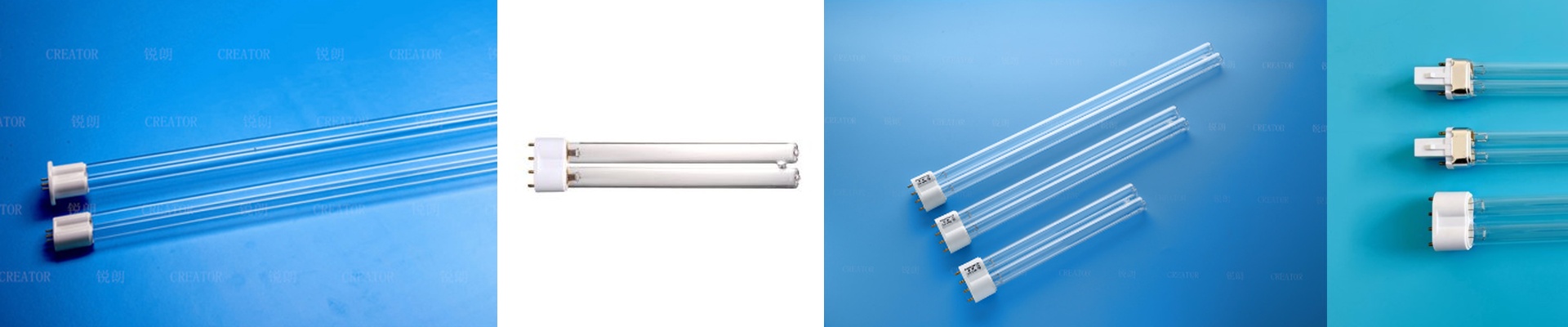
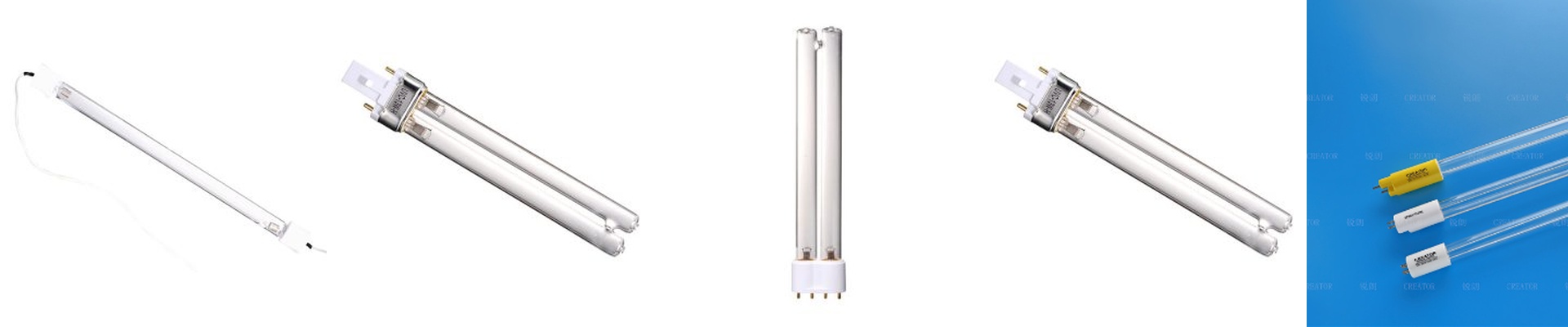
Let’s Talk About Mercury UV Lamps in Your Textile Shop
You might not always notice them, but UV curing is basically the secret sauce that holds a lot of textile finishing together. From the moment a raw bolt of fabric hits the line to the second it becomes a finished shirt, these medium-pressure mercury bulbs are doing the heavy lifting. They take those liquid inks, coatings, and glues and snap them into solid, durable films in a matter of seconds. It’s almost like magic, but it’s actually just chemistry.
How the Magic Actually Works
Here is the deal: these bulbs excite mercury vapor to spit out short-wave radiation. In the textile world, we’re looking at the 254nm to 365nm range. If you don’t hit that specific sweet spot, the photoinitiators in your chemicals won’t break their bonds, and nothing happens. The real trick is balancing your power density. High-wattage tubes are great because they let you crank up your line speed. But you have to be careful. If your conveyor belt is flying too fast, you’ll end up with a tacky, sticky mess. Too slow? You’ll actually scorch the fabric. It’s a bit of a balancing act.
The Hardware Side of Things
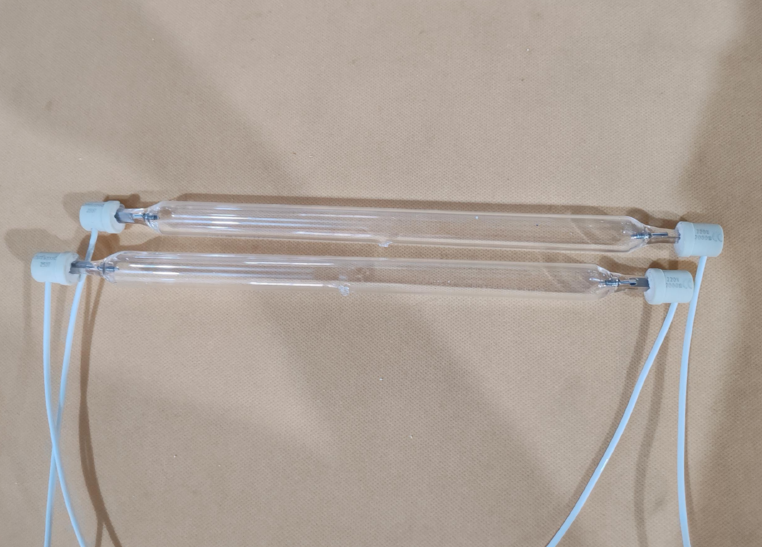
We don’t build these for a quiet office. We build them for the chaos of industrial looms and printing presses. That’s why we use heavy-duty quartz glass—it can take the heat and the internal pressure without cracking under the vibration. But you have to keep them cool. Seriously. Mercury lamps get incredibly hot. Whether you’re using air-cooled or water-cooled jackets, you can’t slack on the thermal management. If the cooling fails, the bulbs burn out early or you get “end-blackening.” That’s when the electrodes degrade and your light starts to dim, which means your curing stops working.
Where These Fit Into Your Day
Usually, these lamps handle three big jobs in the shop: First, there’sprint curing. This is what keeps your screen-printed graphics from washing out the first time a customer throws the shirt in the laundry. Then you havefunctional coatings. Think water-repellent finishes or flame-retardants. And finally,adhesive bonding. When you need glues for apparel accents to set now, this is how you do it. The best part? These are generally drop-in replacements for most standard curing machines. Just double-check that your sockets fit and your ballast is compatible before you flip the switch.