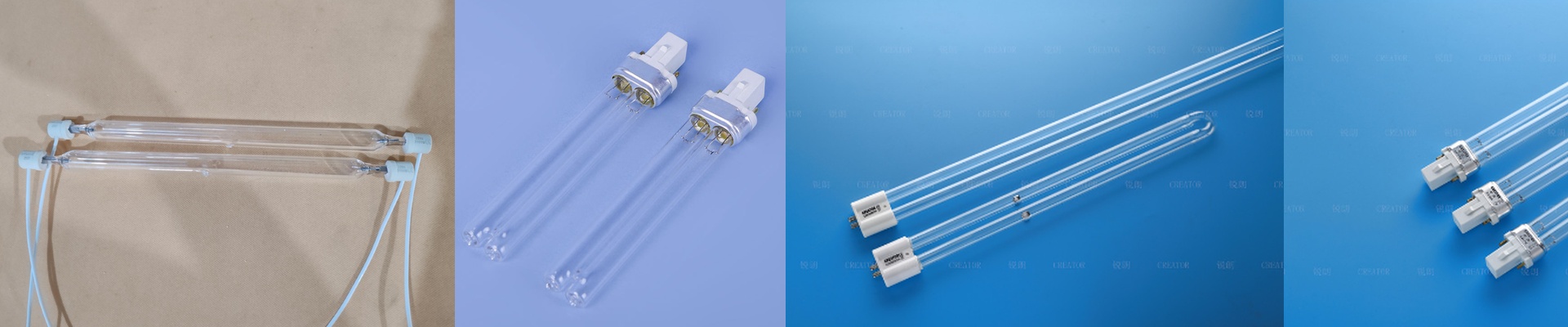
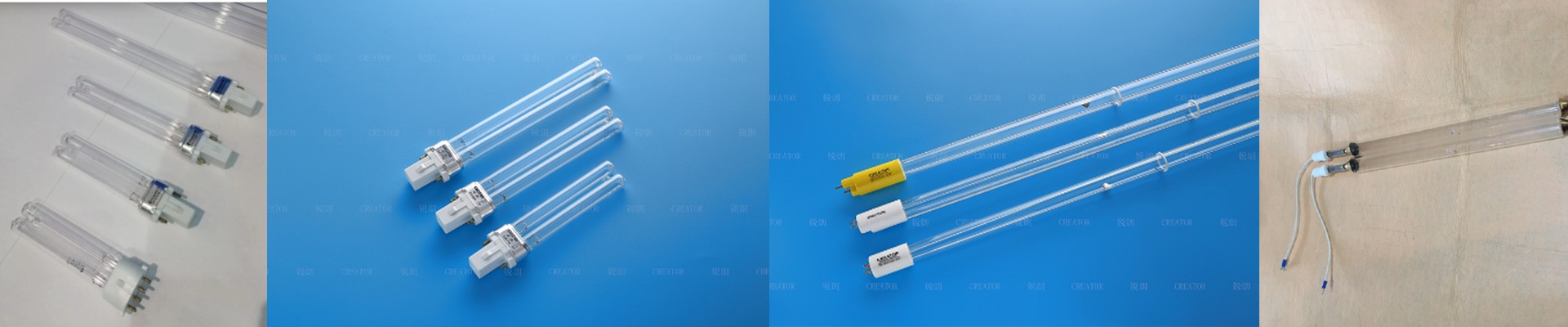
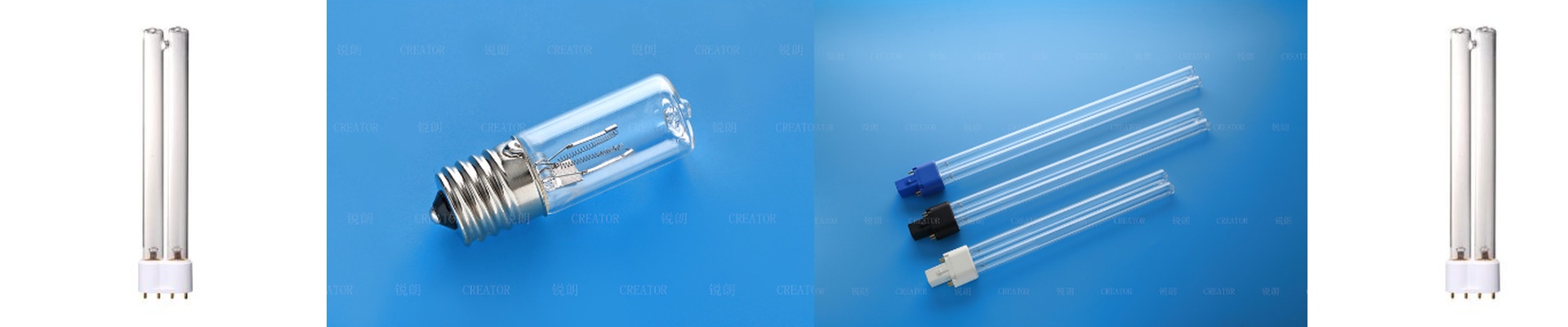
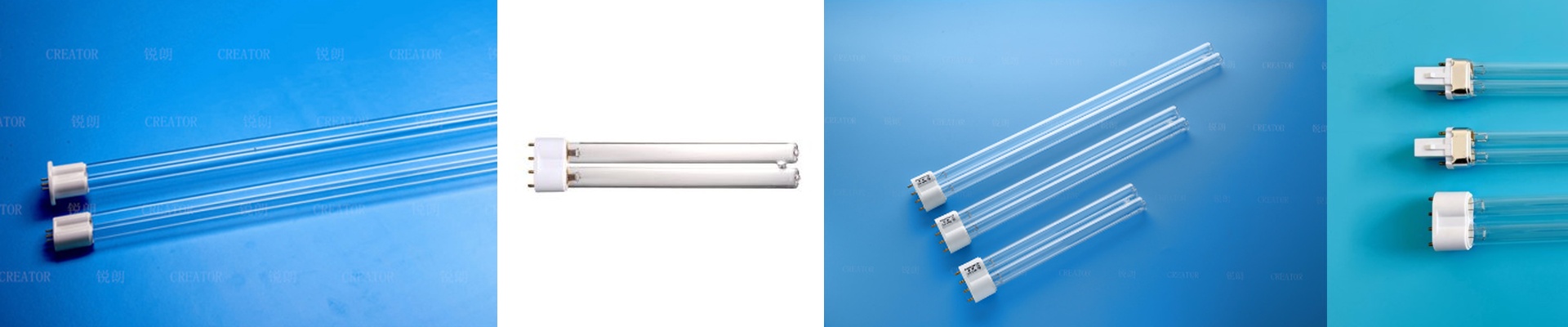
The Real Deal on High-Output UV Curing and Sterilization
UV tech is basically about hitting a target with the right kind of shortwave radiation. Whether you’re trying to snap a resin into place or wipe out bacteria, it all comes down to timing and intensity. If the bond doesn’t happen fast enough, your production line slows to a crawl.
Getting the Power Right
Here’s where a lot of engineers trip up: they forget to sync the wattage with the conveyor speed. If your power density is too low, you get “under-cure.” You know the feeling—that annoying, tacky surface that just won’t dry. But you can’t just crank it up blindly. If you push too much current through a short tube, you’ll fry the electrodes before you even get started. It’s a balancing act. We spend our time tweaking the voltage and current so the mercury vapor hits that sweet spot for peak UVC output.
Quartz and the Heat Problem
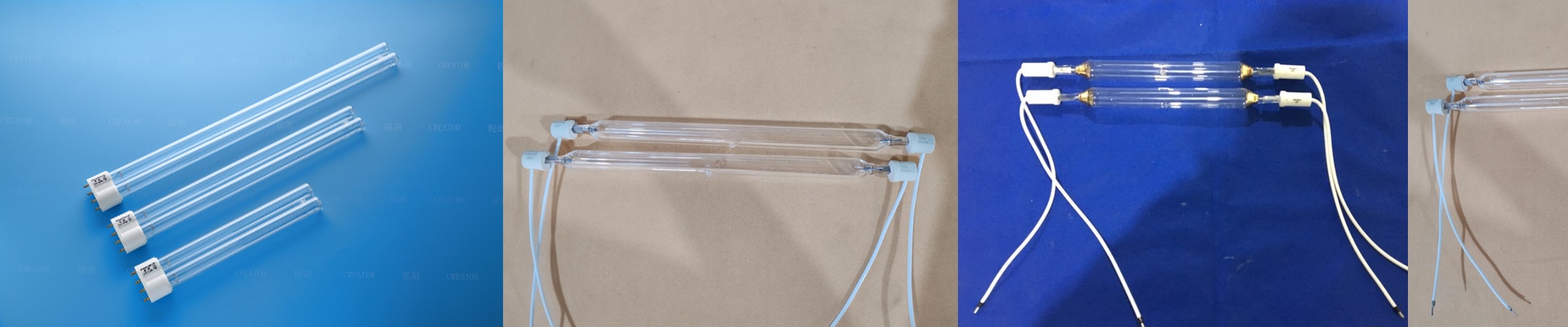
You can’t just use any glass here. Standard glass blocks UV, so we use high-purity fused quartz. It lets the light through. Depending on the ink or adhesive you’re using, we might even use doped quartz to make sure the light matches the photoinitiator perfectly. But there’s a catch.Heat. High-intensity lamps put out a ton of infrared radiation along with the UV. If your fans or water jackets aren’t up to the task, your parts will warp. We’ve seen it happen a dozen times—the UV output is perfect, but the heat ruins the part. It’s heartbreaking.
Making it Actually Work
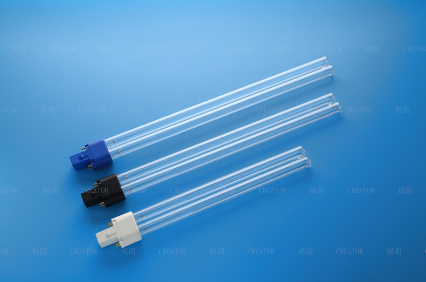
We build our custom lamps to slide right into the systems you already own. No headaches, no weird adapters. We obsess over the contact points and the ballast so you don’t have to deal with flickering or random failures. And look, we trust our data. If our custom build doesn’t hit the same irradiance levels as the big-name brands at the same price, we’ll give you your money back. Simple as that. We keep the tolerances tight because nobody wants to spend their morning tweaking machine settings every time they swap out a bulb. It should just work.