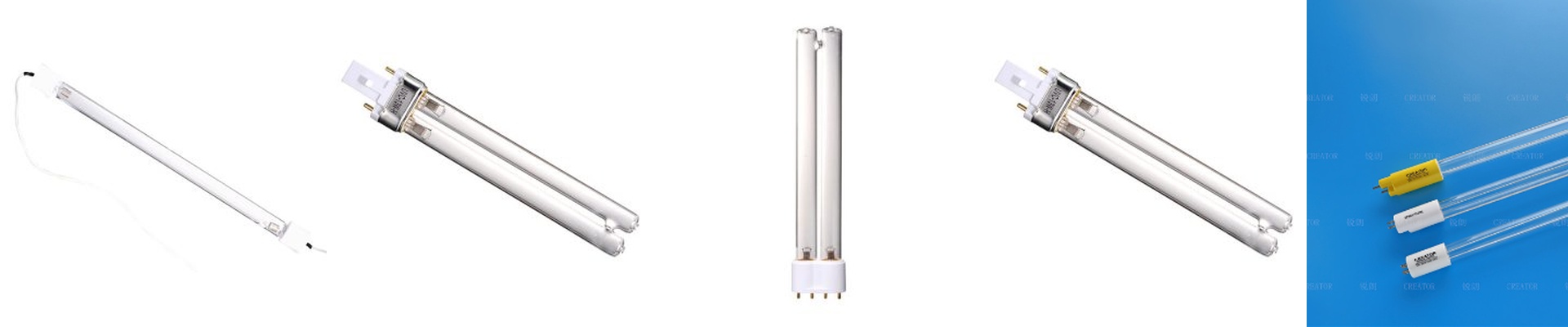
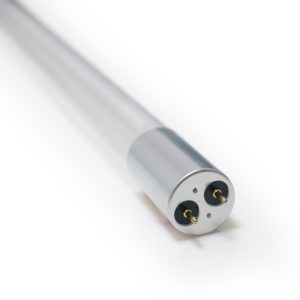
Stop Thinking of UV Lamps as Just “Drying Bulbs”
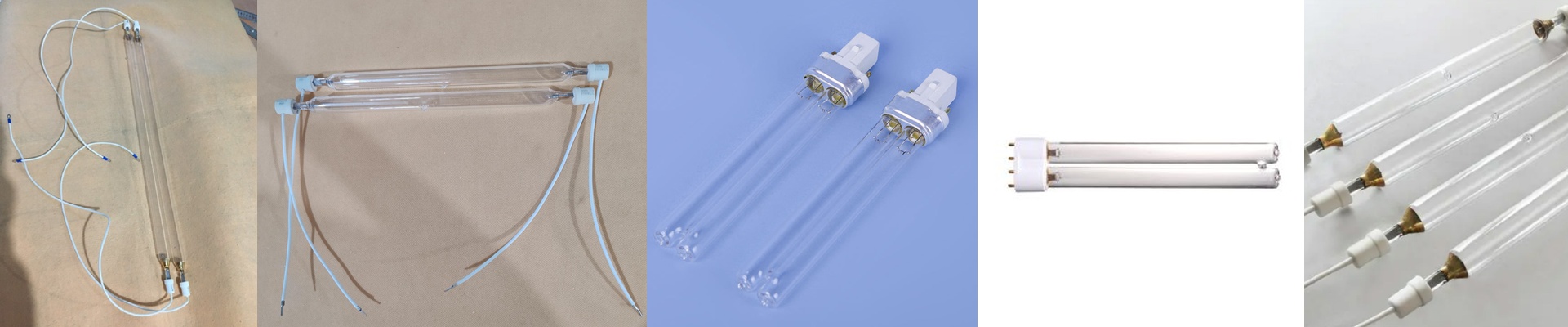
For a long time, people treated UV lamps like a giant hair dryer for industrial parts. But that’s a huge oversimplification. In a real modern shop, we don’t just “dry” things—we’re using light as a precision tool. Think of it like voltage or water pressure. It’s energy you can dial in to trigger a chemical reaction or wipe out bacteria.
Getting the Physics Right
Here is the thing: UV curing is all about photons hitting a resin and triggering a reaction. Whether you’re running old-school mercury lamps or the newer LED arrays, the light has to match the material perfectly. If you’re off by even 10nm, you’re in trouble. You’ll end up with a surface that feels tacky to the touch or a core that never actually hardens. That’s why we obsess over the irradiance and the dose. We need to make sure that polymer chain actually finishes its job.
Fitting It Into the Real World
It’s one thing to make a lamp work on a bench; it’s another to squeeze it into a crowded automated line. Space is always tight. We build these units to slip into those awkward gaps in the conveyor without forcing you to slow down your line speed. But you have to be careful. If you just crank up the power to chase more speed, you’ll bake your parts. If your cooling system isn’t up to the task, you’ll start seeing thin plastics warp from the heat. It’s a delicate balance.
Cleaning vs. Bonding
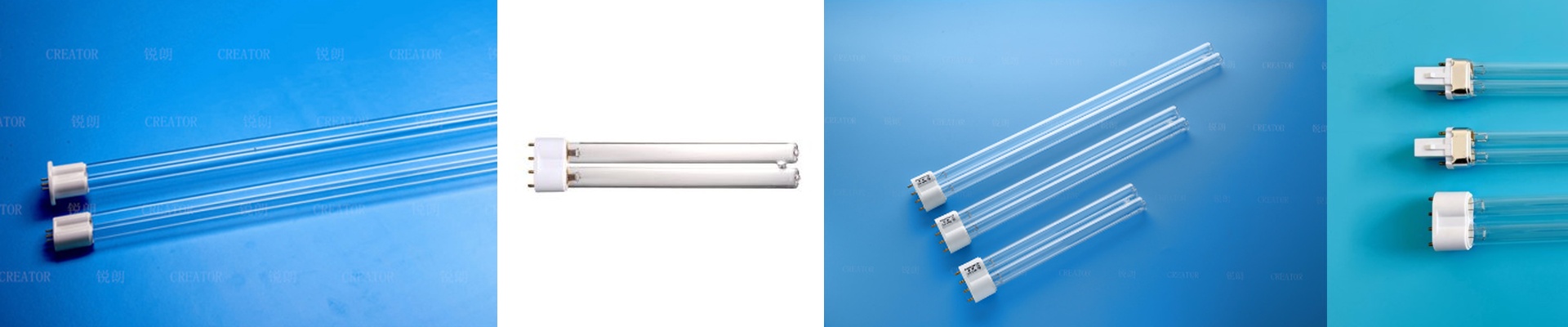
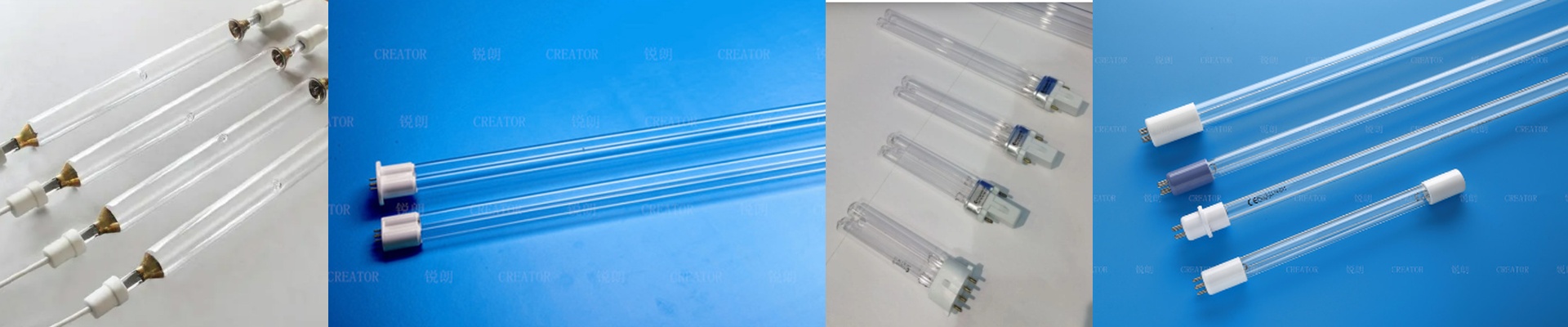
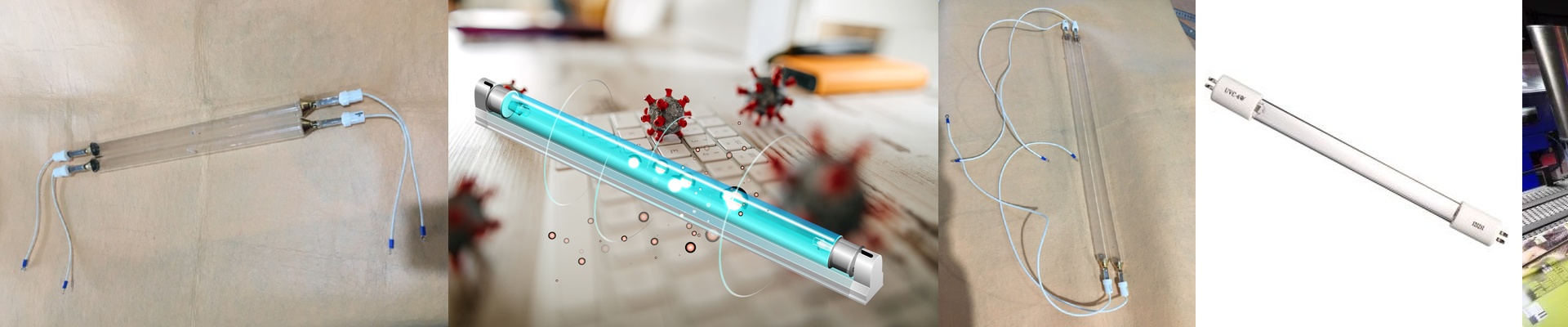
Now, don’t confuse sterilization with curing. They’re completely different animals. Curing is about adding energy to build a bond. Sterilization? That’s about using UV-C light to rip apart the DNA of microbes. To keep things clean, we use quartz sleeves. They keep the lamps safe from grime while letting the light punch through. But you can’t just toss these into any old machine and hope for the best. You need proper shielding so your team isn’t exposed to the light, and you need rock-solid power supplies. Otherwise, you get flicker—and flicker leads to those annoying curing stripes that ruin a finish.