The Real Deal on Making UV Lamps
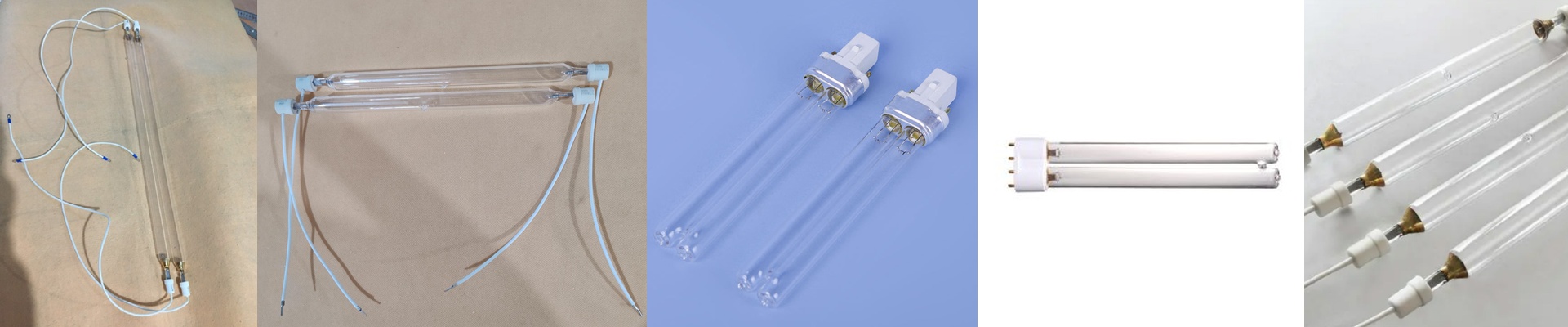
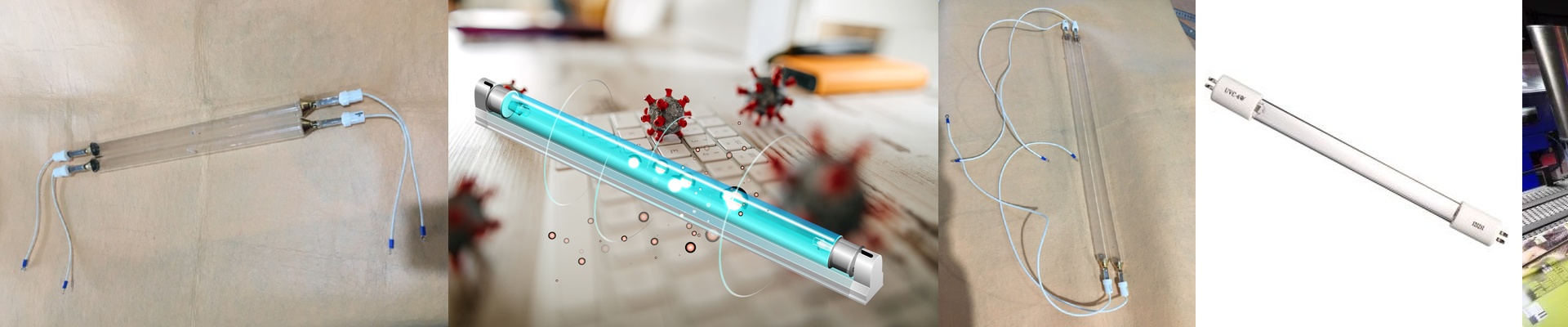
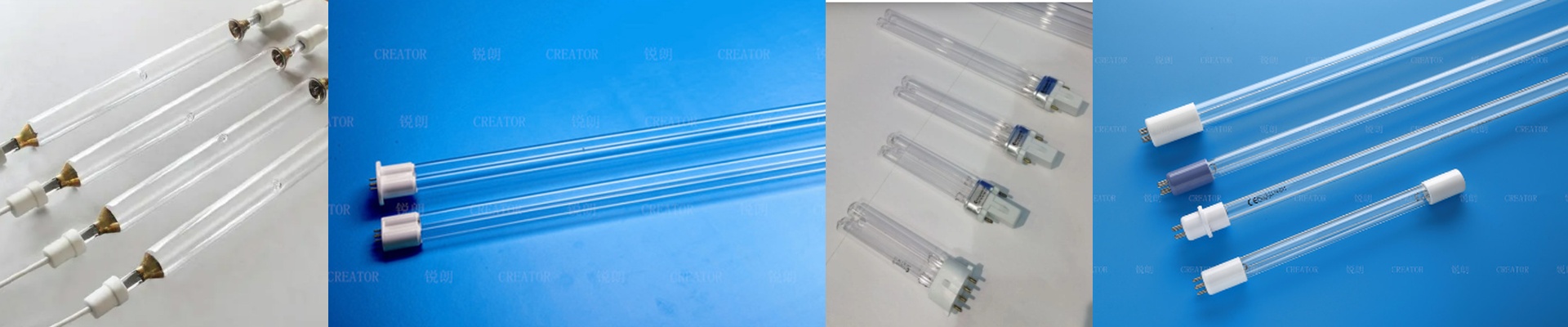
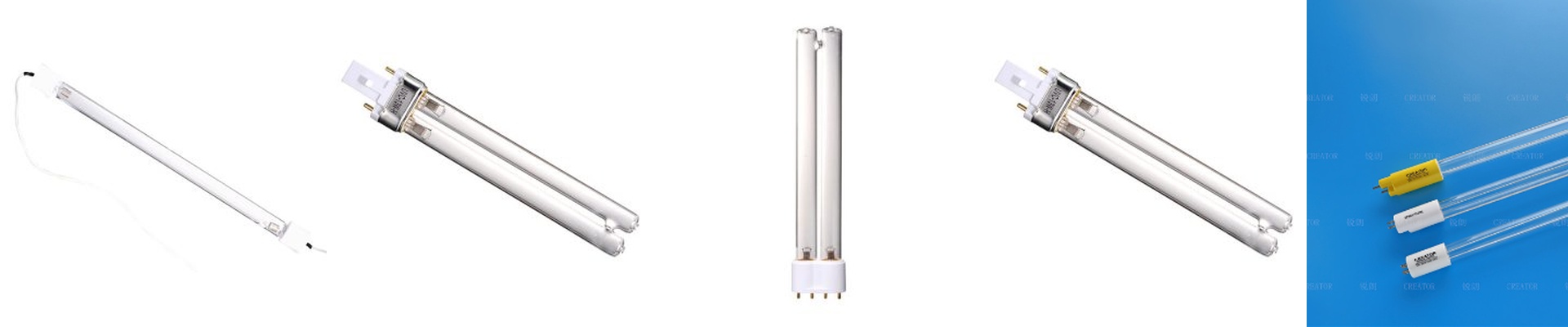
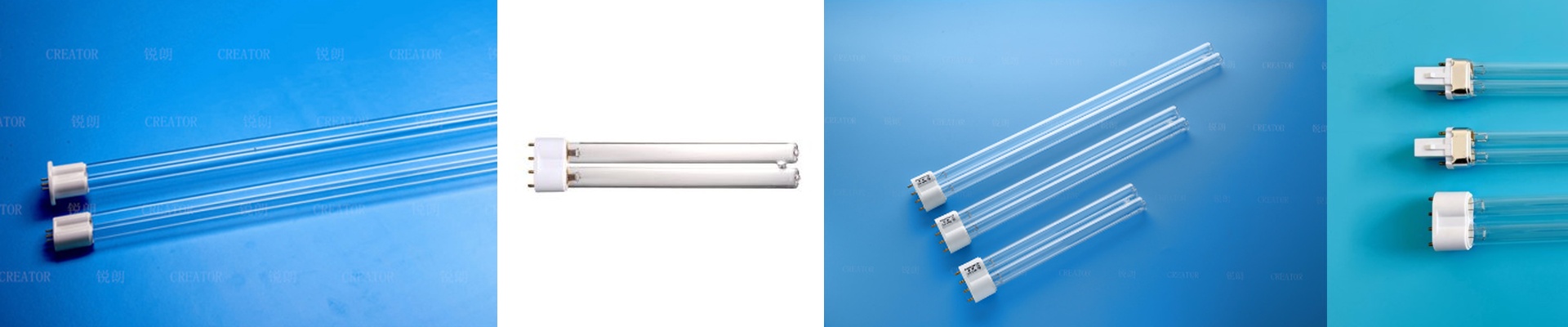
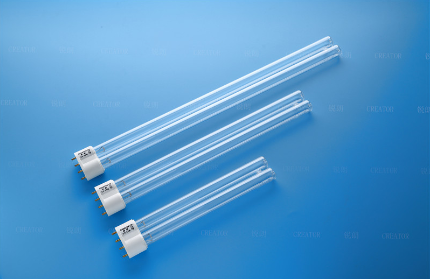
It took us 15 years to get here. We started out doing the grunt work for other brands, but we wanted more. We wanted to build lamps that could go toe-to-toe with the big international names in terms of power and how long they actually last. See, most people think UV sterilization or curing is just about flipping a switch and turning on a light. It’s not. It’s actually a balancing act. You’re juggling spectral output, heat, and the purity of the quartz just to make sure those photons actually hit the mark. The science bit (kept simple) Depending on what you’re doing, you need different light. UVC for killing germs, or UVA/UVB for curing resins. We use high-purity synthetic quartz for a reason: regular glass absorbs the UV rays, which defeats the whole purpose. But you can’t just crank up the power. If you shove too many watts into a tube that’s too narrow, you get a hotspot. That’s how you crack your quartz or fry your electrodes. It’s all about that sweet spot between wattage and diameter. What’s actually inside We don’t do “generic.” We use fused quartz because it can handle the stress of heating up and cooling down without snapping. For the curing stuff, we add specific dopants to the arc. This shifts the wavelength so the UV can dig deeper into your coating. And the electrodes? Tungsten. Simple as that. It stops them from burning out when you’re constantly switching the lamps on and off. A few things to watch out for Our lamps fit into most industrial setups without any drama. But here’s the thing: high-wattage UV lamps gethot. Like, really hot. They pump out a lot of infrared heat along with the UV. If you run them at full blast without a solid cooling system or some reflective aluminum housing, you’ll probably scorch your materials or kill the lamp’s lifespan. Also, do yourself a favor and double-check your ballast. If the strike voltage spikes, it’ll blow the filament, and then you’re just staring at a dead bulb.