Why Modular UV Curing Actually Matters (and Why Patents Aren’t Just for Lawyers)
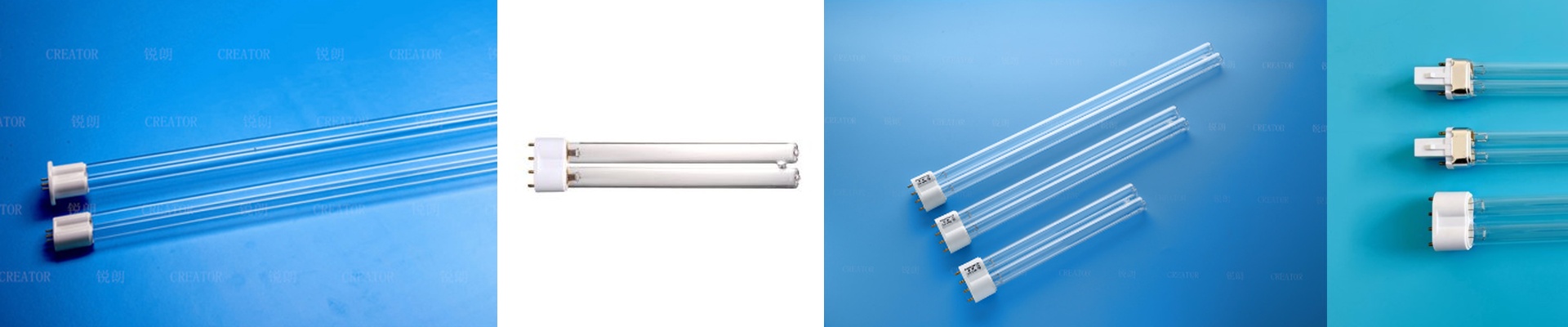
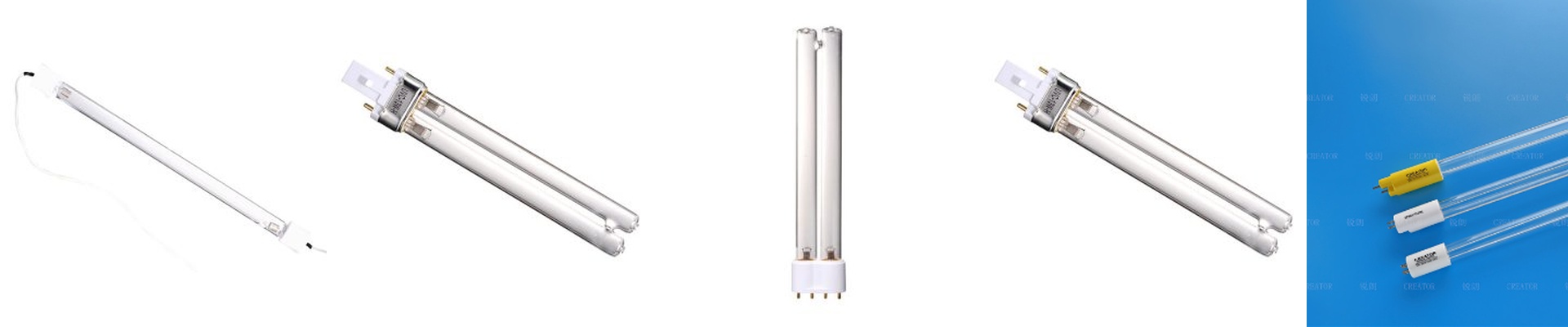
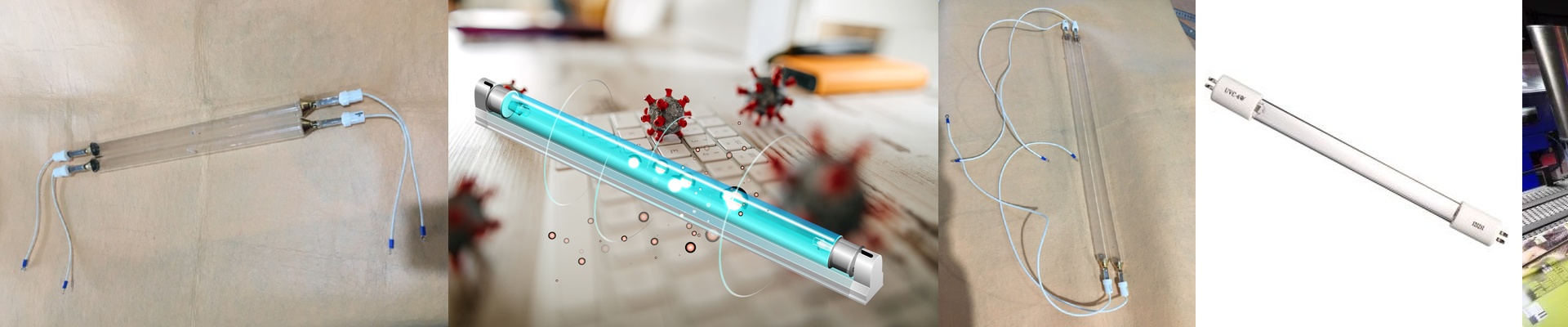
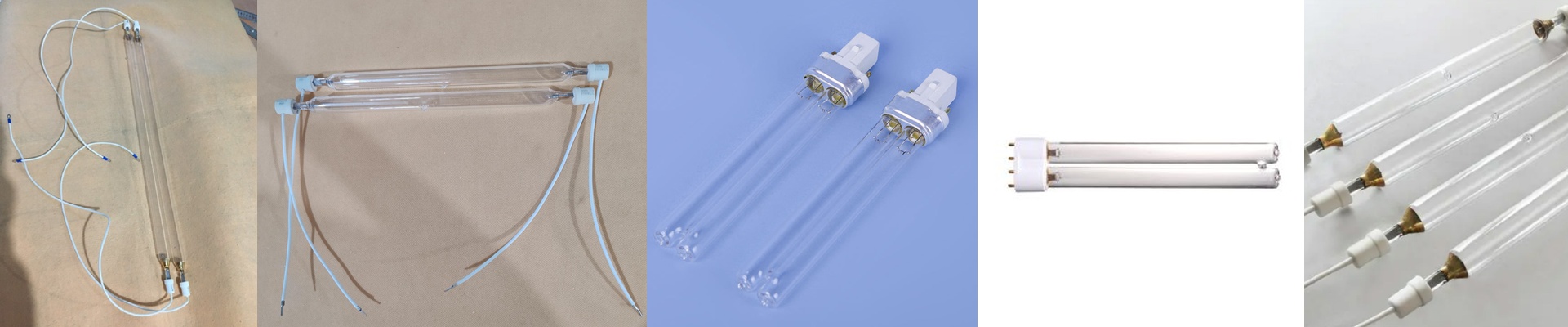
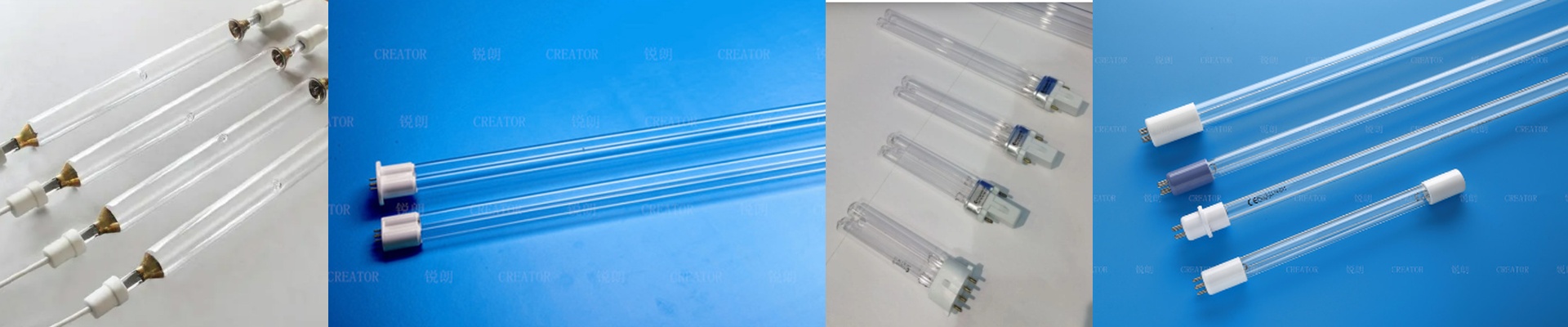
Nobody wants to rip out an entire assembly line just because they need a bit more power. It’s a nightmare. That’s why we build our UV curing lamps to be modular. Think of them as drop-in replacements. If your line speed picks up or you start using a thicker coating, you don’t need a sledgehammer and a prayer. You just add or swap a module and keep moving. The nuts and bolts of it Here is how it actually works: we keep the power supply and the lamp head separate. Why? Because when you cram ballasts into a tight machine footprint, they get hot. Really hot. Separating them stops the overheating headache. Plus, we use standardized mounts and connectors. When it’s time to change a lamp, you aren’t spending your afternoon rewiring a whole cabinet. You just pop out the old module, slide in the new one, and you’re back in business. The customs nightmare you want to avoid Now, let’s talk about the boring stuff that can actually ruin your week: trade compliance. If you’re shipping machinery to the EU or North America, “generic” systems are a gamble. A lot of suppliers just white-label designs they don’t actually own. If you get caught in an intellectual property dispute, your gear could end up seized at customs or, worse, you could end up with a lawsuit on your desk. We do things differently. We own the patents on our reflector geometry and cooling manifolds. The blueprints are ours. When your shipment hits the border, you have a clear paper trail proving the tech is proprietary. It makes the whole customs process a lot less stressful. The honest trade-offs I’ll be straight with you: patented modular systems cost more upfront than some unbranded clone. You’re paying for the R&D and the peace of mind that comes with legal protection. There’s also a maintenance quirk. Modular connectors mean more contact points than a hard-wired setup. You’ll need to make sure your team keeps those connections clean and tight. If they get loose, you get voltage drops, and that leads to uneven curing. At the end of the day, owning the patents isn’t about bragging rights. It’s about making sure your expensive equipment doesn’t spend three months rotting in a warehouse because of a legal fight you didn’t see coming.