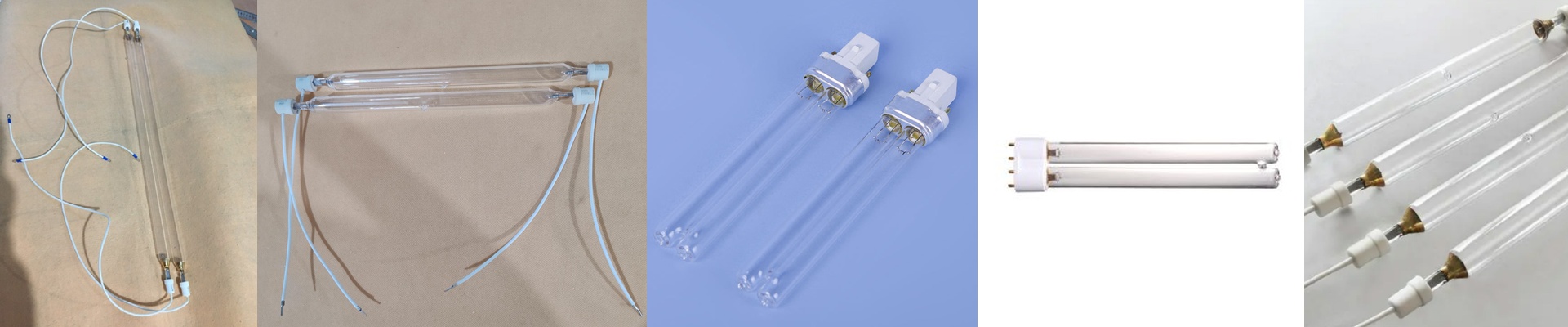
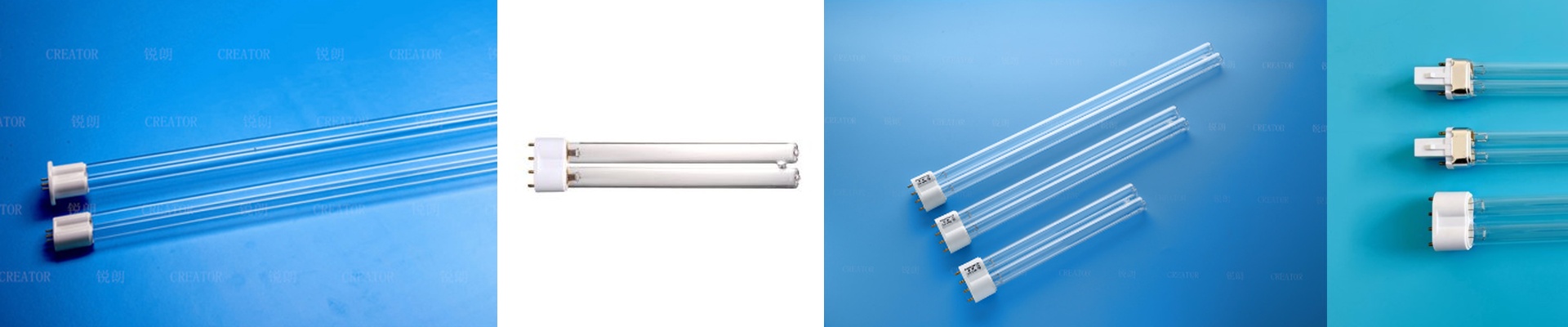
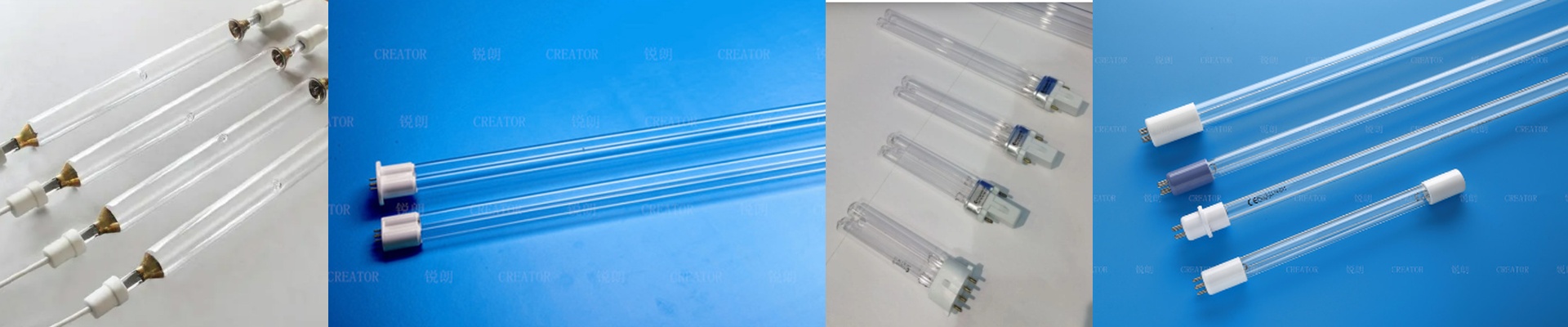
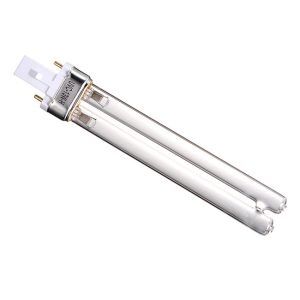
On the press, a UV lamp’s thermal runaway doesn’t announce itself. You notice it as a drift in spectral output, a dip in peak irradiance, and then the ink starts to fight you—not fully cross-linking, just hanging there. Heat is the driver. Mercury vapor efficiency, reflector reflectance, even quartz transmission all shift when the arc tube runs hot. That’s why cooling isn’t a “nice-to-have.” It’s the control loop that keeps power, wavelength, and dose honest. We built the Quartz UVC T5 around a compact arc geometry, then matched it to a forced-air or liquid cooling channel that’s engineered to manage heat repeatably. The quartz envelope holds UVC transmission steady, and the geometry keeps arc temperature in a tight window. The payoff is stable output: predictable spectral distribution, repeatable dose at the substrate, and repeatable activation of photoinitiators. With that stability, your curing window tightens, and the risk of under-cure—residual tack, poor adhesion, yellowing—falls off. In real terms, stable lamp output means faster cycle times and fewer rejects. You run a constant light dose, so the ink film cross-links uniformly across the web, even when you push press speed. You also stretch lamp life. Heat stress accelerates output decay; controlled temperature flattens that degradation curve. Fewer lamp changes, less downtime, and a lower operating cost per cured part. Installation note: match the lamp to your reflector geometry, and make sure the cooling path matches the lamp’s thermal load. Mismatched airflow or poor contact creates hot spots, output drift, and a shortened life. Confirm your power supply and igniter are compatible with the lamp’s operating curve. We provide the data on spectral output, peak irradiance, and dose stability under specified cooling conditions so you can validate the match before you run.