Getting it Right: The Push for 0.5% Spectral Energy in Mercury Lamps
Most UV lamps you’ll find are broad. They throw light everywhere. If you’re just doing basic curing, that’s fine. But when you’re dealing with high-precision photopolymerization or tricky chemical bonding, that broad spectrum is basically wasted energy. It just turns into excess heat. We spent our R&D time trying to fix that. We wanted to tighten the window. Specifically, we went after a 0.5% spectral energy concentration.
The tricky part of the physics
High-pressure mercury lamps naturally want to spread their light across a wide range. To force that energy into a 0.5% slice, we had to mess with the internal gas pressure and the actual makeup of the quartz envelope. We also had to stabilize the arc. Why? Because “spectral drift” is a pain. It happens during warm-up and makes the energy bleed into infrared or long-wave UV. By locking it down, the energy stays exactly where it belongs. It’s a balancing act. If we crank the pressure too high to sharpen that peak, the electrodes burn out way too fast.
Heat and hardware
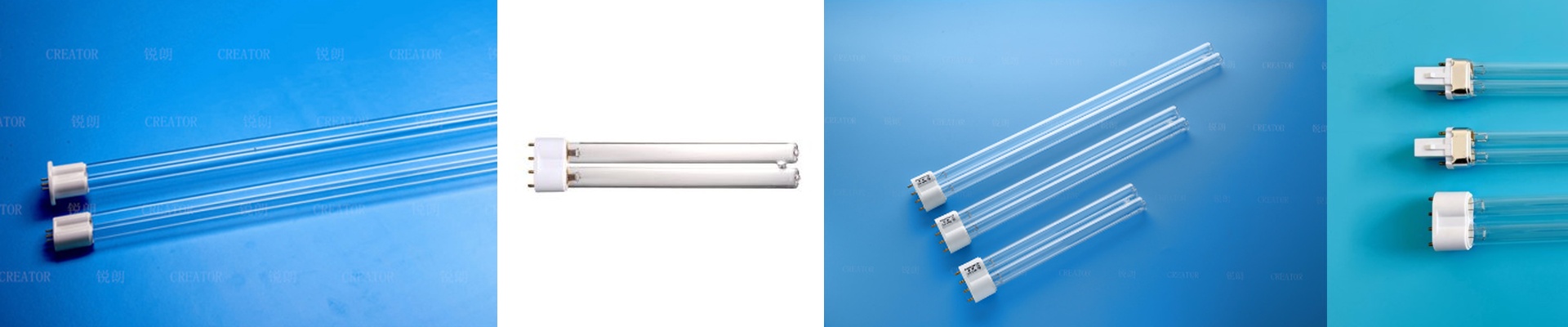
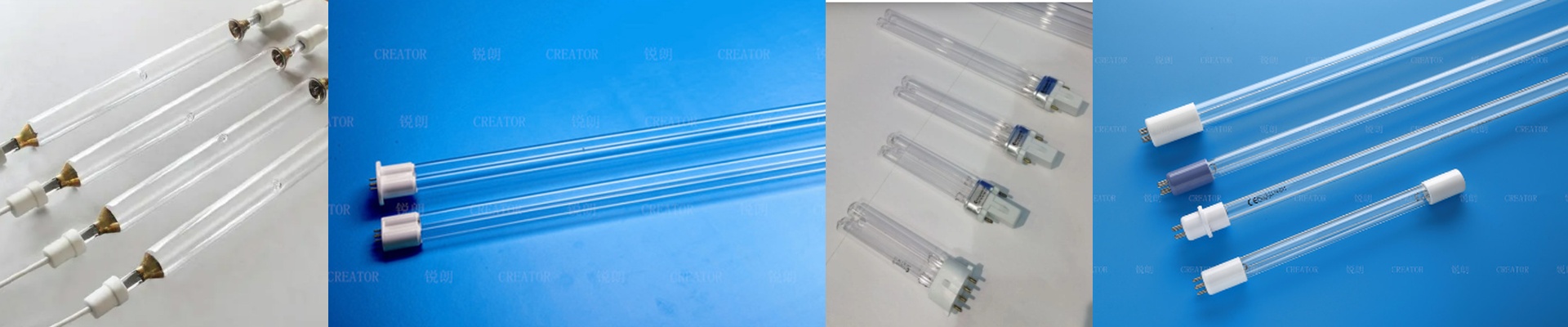
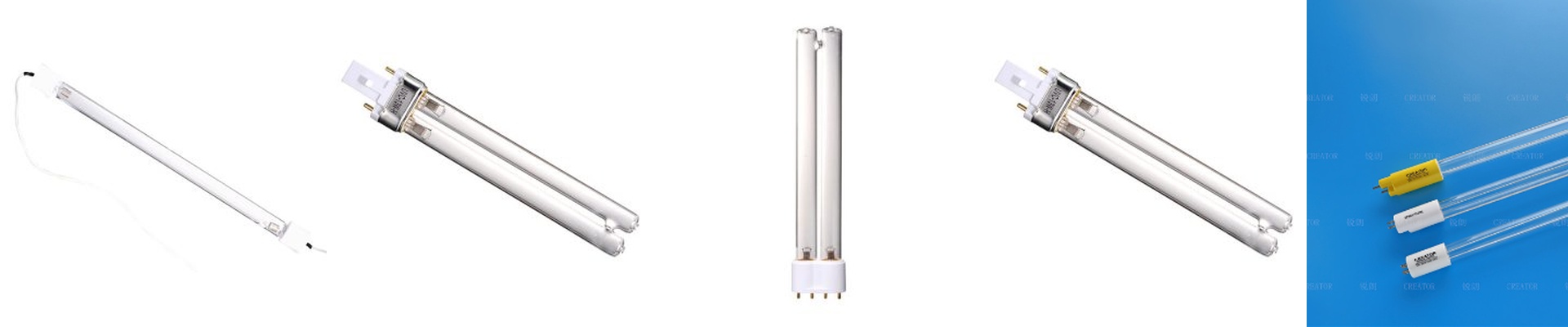
We designed these to be drop-in replacements for the rigs you already have on your floor. But here is the thing: when you concentrate all that energy into one narrow band, the intensity at that peak skyrockets. You’ll see your curing times drop, which is great. But the heat density is much higher. **Check your cooling.**If your fans and heat sinks aren’t up to the task, the quartz envelope is going to take a beating. Weak airflow means a shorter lifespan for the lamp. Period.
Real-world results
You know that feeling when “good enough” curing leaves the surface feeling tacky? Or when the substrate shrinks and ruins the part? That’s what we’re solving here. By focusing the energy, the material spends less time under the lamp. This stops that annoying problem where the surface is over-cured but the core is still wet. We put these head-to-head against standard mercury tubes. The 0.5% concentration lamps hit the target cure depth in about 30% less time. It’s just a cleaner, faster way to work.